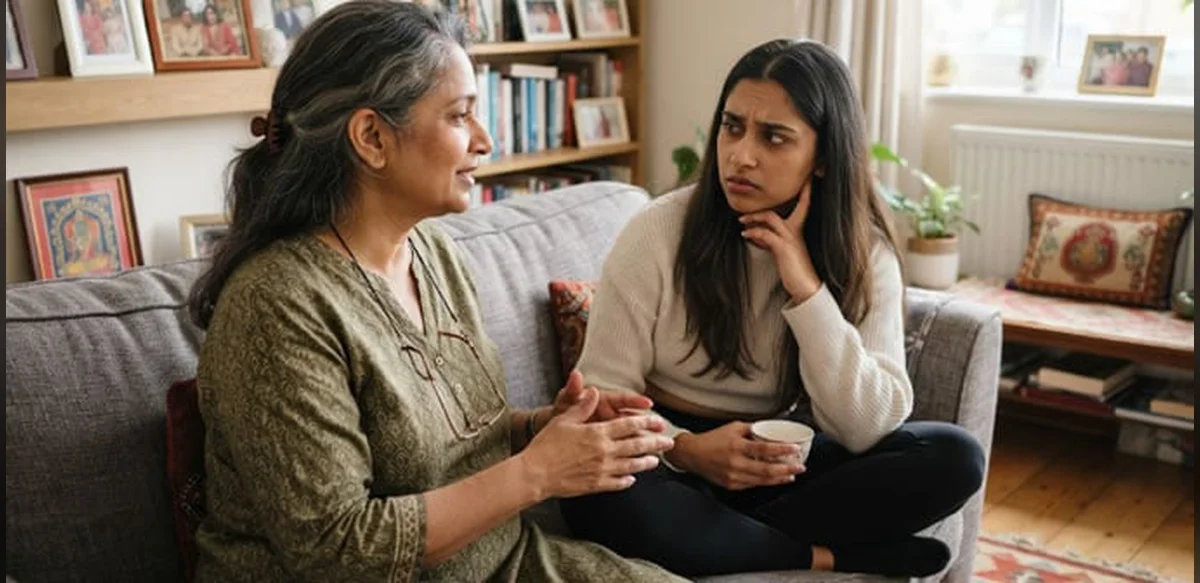
Many British South Asians report understanding languages such as Punjabi, Urdu, Bengali, Gujarati or Tamil but feeling less confident speaking them. What was once common in family life is becoming rarer among younger generations. Older immigrants often spoke these languages fluently, while second- and third-generation individuals tend to understand them better than they speak them. This shift raises questions about culture, identity and heritage connections. Migration patterns have altered family communication as each generation adapts to life in Britain. First-generation parents often used heritage languages at home, leading children to become bilingual. By the third generation, English frequently dominates household conversations. Parents encouraged English use to support academic and career success and social integration. Modern routines, including school, social media and entertainment, leave fewer chances to practise heritage languages. Research links language maintenance to daily family interactions and cultural identity. Assimilation also plays a role, as some young people felt self-conscious using their mother tongue in public or avoided it to fit in. English remains tied to professional opportunities. Language carries cultural values, humour and traditions that are hard to translate. Its loss can hinder passing stories and customs between generations, creating gaps in understanding between grandparents and grandchildren.