


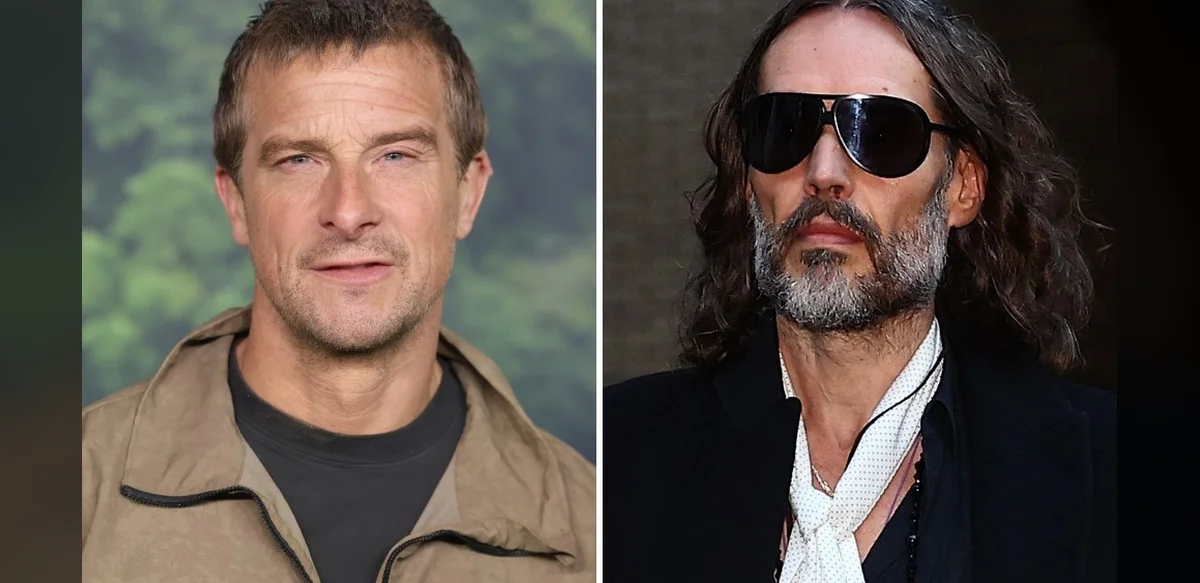
Bear Grylls, known for hosting the adventure series Man vs. Wild, recently shared his thoughts regarding the legal resolution involving Russell Brand. Grylls had previously taken part in Brand’s baptism ceremony. In his statement, he indicated that justice has now been served and described the victims as heroes.
The remarks come after Brand faced convictions related to rape and sexual assault charges. Grylls emphasized support for those affected by the case while reflecting on his own involvement in the baptism event. His comments highlight a personal connection to the situation without delving into further details of the proceedings.
Observers note that Grylls has maintained a public profile centered on survival skills and motivational themes. His decision to speak on this matter aligns with a broader discussion around accountability in high-profile circles. The statement avoids speculation and focuses on the finality of the court decision.
Throughout the years, Grylls has engaged with various public figures through his work in television and outdoor activities. The baptism assistance represents one such interaction that has now intersected with current events. By characterizing the victims as heroes, Grylls drew attention to their role in the process leading to the verdict.
Media coverage of the case has spanned multiple outlets, with attention on both the legal aspects and personal statements from associates. Grylls’ contribution adds to the narrative by underscoring themes of resolution and recognition for those impacted. No additional context beyond the stated position was provided in the remarks.
The adventure host’s background includes extensive experience in remote environments and team leadership scenarios. This experience may inform his perspective on matters of fairness and resilience, as expressed in the recent comments. The overall tone remained measured and directed toward closure following the conviction.
Public reactions to such statements often vary, yet the core message centers on the served justice and the acknowledgment of the victims. Grylls avoided any commentary on the baptism itself beyond noting his participation. This approach keeps the focus squarely on the legal outcome and the individuals involved.
In summary, the comments from Grylls serve as a concise endorsement of the judicial result while honoring those who came forward. The intersection of personal history and public events illustrates how individual actions can connect across different spheres of life. Further updates on the case are expected from official channels as proceedings conclude.

