


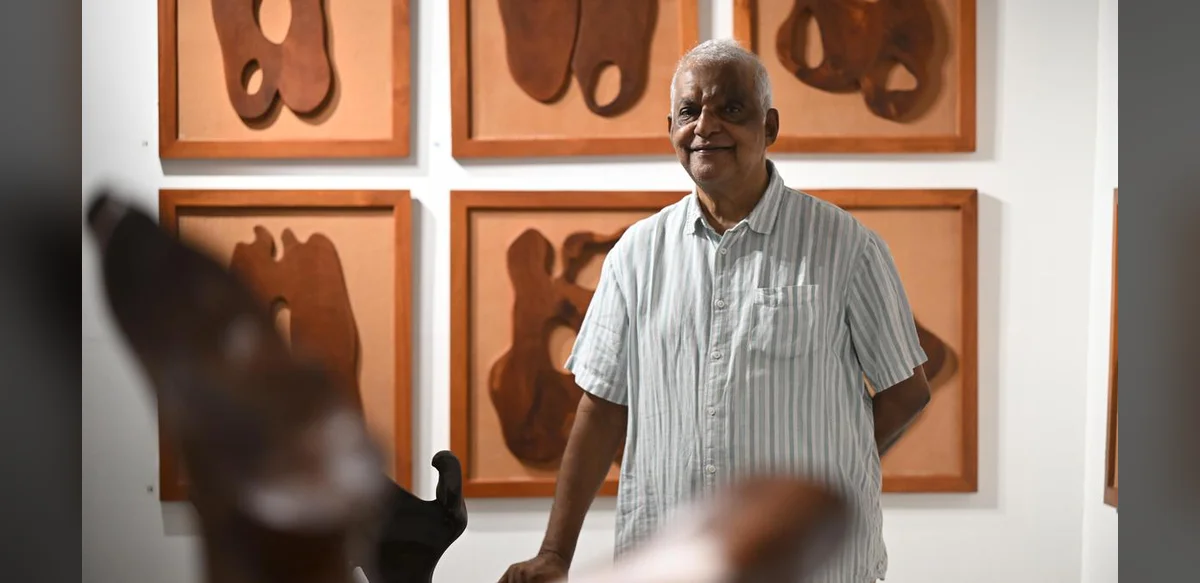
A former leader in the hospitality sector has stepped into the realm of visual arts with the opening of a dedicated space in Kochi. The new venue, known as The Plav, serves as the platform for this debut presentation of creative pieces. These works emerge from a partnership involving skilled artisans who specialize in handling timber materials.
The individual previously held the position of chief executive at the CGH group. Through this latest endeavor, collaboration has taken place with a woodcutter and a carpenter. Together they have transformed sections of felled trees into artistic forms. The process focuses on repurposing both the trunks and the root systems, allowing these natural elements to assume renewed purposes.
The initiative highlights an approach to material reuse that emphasizes preservation of organic structures. By working with cut trees, the creators aim to extend the lifespan of wood beyond its original context. This method results in objects that retain visible traces of their natural origins while serving aesthetic functions.
Visitors to the gallery can observe how the collaboration integrates traditional woodworking techniques with contemporary artistic vision. The pieces reflect careful attention to the inherent shapes and textures found in the timber. Such details underscore the transition from raw resource to finished display item.
The location in Kochi provides a setting that aligns with regional interests in heritage crafts and material innovation. The gallery opening marks a notable shift for the individual involved, moving from operational leadership in hospitality to direct engagement in artistic production. This transition illustrates one example of how professional backgrounds can intersect with creative pursuits.
Overall, the project centers on the concept of renewal for discarded natural materials. The resulting artworks stand as evidence of joint effort between business experience and manual expertise. Through this, the wood and roots acquire new identities within an exhibition context, inviting contemplation on resource cycles and craftsmanship.
Further details about the gallery operations suggest an ongoing commitment to similar explorations in the future. The debut serves as an initial showcase, setting the stage for additional presentations that may build upon the same principles of material transformation. Observers note the potential for such spaces to contribute to broader discussions around sustainable practices in art and design.
The emphasis remains on the tangible outcomes of the partnership, where each piece embodies the combined input of the three individuals. This collective process ensures that the final forms honor the source materials while achieving visual impact suitable for public viewing. In this way, the gallery fulfills its role as both a display venue and a site of creative reinterpretation.

