


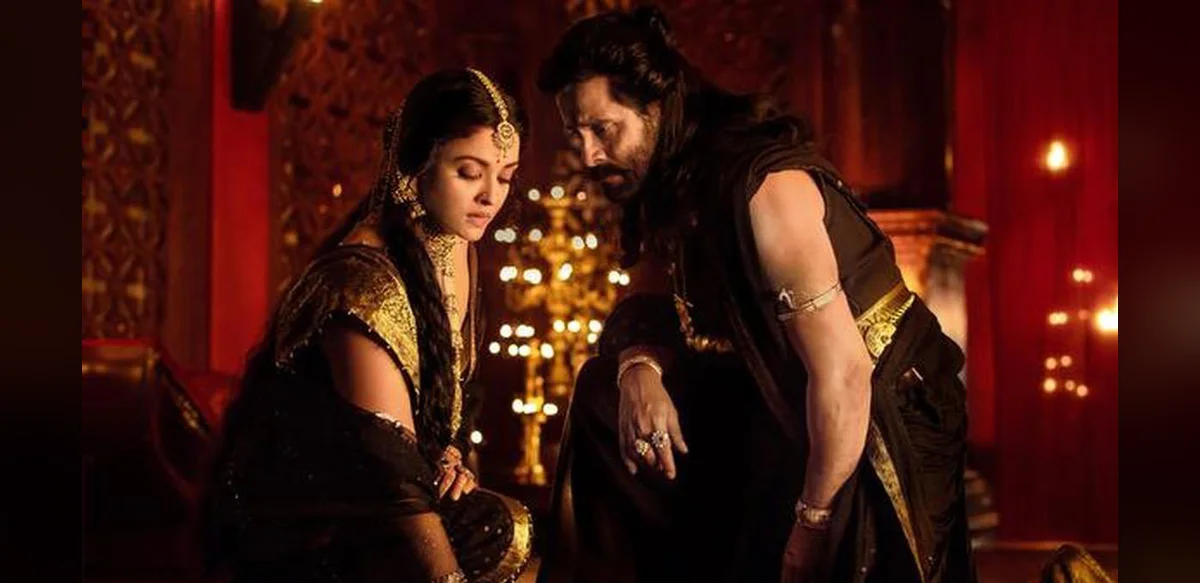
The adaptation of literary works into cinema has long been a significant aspect of filmmaking in India, particularly in the region historically known as Madras. This practice involved transforming novels and plays into visual narratives that reached wide audiences through the silver screen. Filmmakers drew from rich sources of written stories to create engaging motion pictures that preserved core themes while adding cinematic elements such as visuals, sound, and performance.
In the mid-twentieth century, several productions emerged that highlighted this trend. Writers and directors collaborated to bring complex characters and plots from books onto film. These efforts often required careful selection of scenes to fit the runtime constraints of movies while maintaining the essence of the original text. Plays, with their dialogue-heavy structures, lent themselves naturally to screen versions, allowing for dramatic expressions that translated well to the camera.
One key factor in these adaptations was the cultural context of the stories. Many novels reflected societal issues, family dynamics, and historical events relevant to the local population. By converting these into films, creators made literature accessible to those who might not have read the books. This process also introduced new audiences to classic works, fostering greater appreciation for both literature and cinema.
Technical aspects played a role too. Early filmmakers experimented with lighting, editing, and set design to capture the atmosphere described in the source material. For instance, detailed descriptions of settings in novels were recreated through elaborate studio constructions or location shoots. Music and background scores were composed to enhance emotional depth, aligning with the narrative arcs found in the plays or stories.
Challenges arose during translation from page to screen. Lengthy internal monologues in books had to be conveyed through actions or visual cues rather than spoken words. Directors worked closely with screenwriters to condense plots without losing important details. Actors were chosen based on their ability to embody the personalities outlined by authors, bringing fresh interpretations to familiar roles.
Over time, this approach influenced the broader industry. Success of such films encouraged more adaptations, leading to a cycle where literature inspired cinema and vice versa. Audiences began to expect high-quality productions that honored their literary roots. Educational institutions sometimes used these movies to discuss themes from the original texts, bridging gaps between different forms of art.
The legacy of these Madras-based efforts continues to be studied in film courses and cultural analyses. They demonstrate how storytelling evolves across mediums while retaining its power to inform and entertain. Modern creators still look back at these examples for inspiration when considering new projects involving book or play adaptations.
In summary, the movement from literature to film in this context enriched both fields. It allowed for creative expression that respected source materials yet embraced the unique possibilities of cinema. This historical practice underscores the interconnected nature of arts in the region and their impact on public engagement with stories.

