


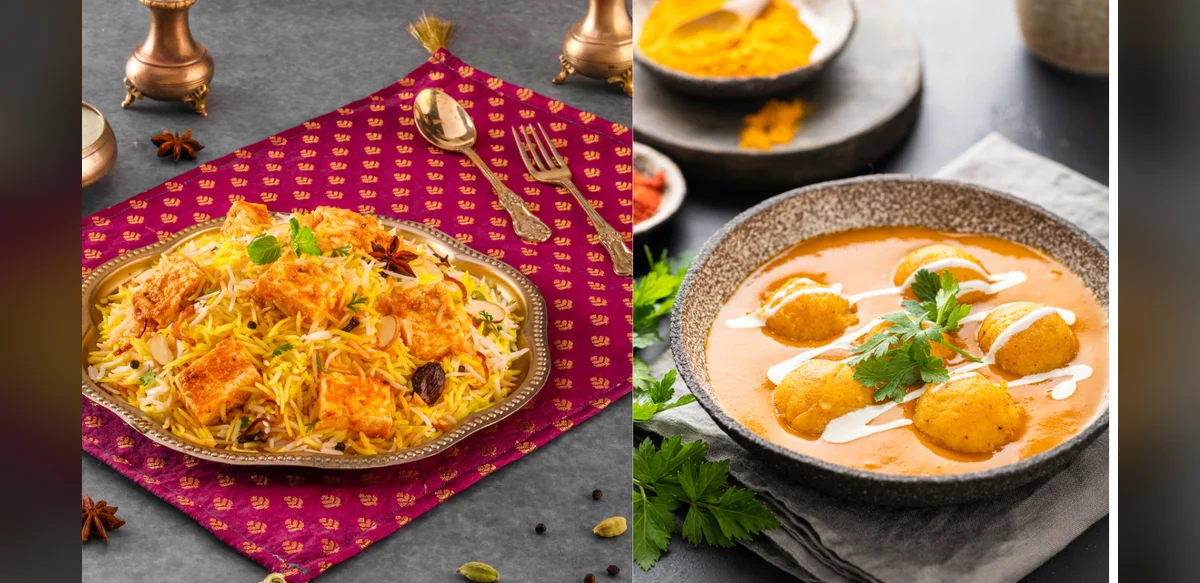
Indian cuisine offers a wide range of vegetarian preparations that deliver substantial texture and deep flavor. Many home cooks and professional chefs have developed techniques to create dishes that rival the satisfaction typically associated with meat based meals. From protein rich soya products to fibrous jackfruit and earthy mushrooms these options provide both nutrition and taste.
One popular choice involves soya chaap marinated in spices and slow cooked until tender. The process begins with soaking dried soya chunks in water then simmering them in a gravy made from onions tomatoes and aromatic spices such as cumin coriander and garam masala. The result is a chewy consistency that absorbs flavors well making it suitable for both dry and gravy styles.
Jackfruit curries represent another traditional approach. Young green jackfruit is cut into pieces and cooked with coconut milk or yogurt based sauces. Its fibrous structure mimics pulled meat when shredded allowing it to hold sauces effectively. Regional variations include adding mustard seeds curry leaves and turmeric for a South Indian touch or using whole spices for a North Indian profile.
Mushroom and lentil kebabs offer a grilled alternative. Finely chopped mushrooms are combined with cooked lentils spices and binders such as gram flour. The mixture is shaped into patties and cooked on a tawa or in an oven. These items develop a crisp exterior while remaining moist inside and pair well with mint chutney or yogurt dips.
Additional preparations include paneer based dishes where fresh cheese cubes are tossed with bell peppers and onions in a tomato gravy. Lentil based stews like dal makhani gain richness from slow cooking and cream though lighter versions use minimal dairy. Vegetable koftas made from grated carrots cabbage and potatoes are simmered in spiced sauces providing another layer of complexity.
Home preparation of these dishes requires attention to spice balance and cooking times. Marination enhances flavor absorption while proper searing builds depth. Many recipes can be adjusted for spice levels and dietary preferences such as reducing oil or using plant based yogurt.
Across India these vegetarian options appear at family gatherings festivals and everyday meals. They demonstrate how local ingredients and cooking methods can produce satisfying results without animal protein. Chefs continue to experiment with new combinations while respecting traditional foundations.
Nutritionists note that such dishes supply fiber vitamins and plant proteins when balanced with grains and vegetables. Soya and lentils contribute essential amino acids while mushrooms add antioxidants. This makes them suitable for varied diets including those focused on health or ethics.
The appeal extends beyond India as global interest in plant based eating grows. Restaurants adapt these recipes for international audiences by adjusting heat levels and presentation. Yet the core remains rooted in regional produce and time honored techniques.
Exploring these preparations at home encourages creativity with available ingredients. Starting with simple recipes like spiced soya or basic jackfruit curry builds confidence before moving to more elaborate kebabs or multi step curries. Resources such as community cookbooks and online tutorials provide step by step guidance.
Ultimately these vegetarian specialties highlight the versatility of Indian culinary traditions. They prove that bold flavors and hearty textures can be achieved through thoughtful use of vegetables legumes and spices alone.

