


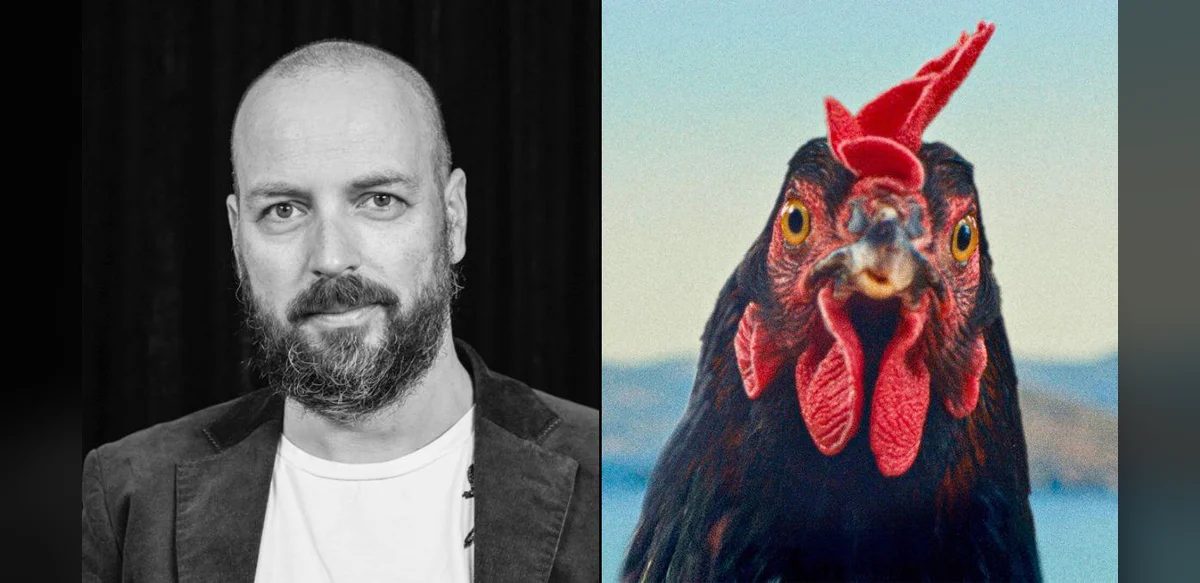
In a recent discussion, the Hungarian director behind the film Hen shared insights into his unusual casting choice of eight chickens sharing the lead role. The project centers on these birds as the central figures, creating a narrative that blends everyday observation with unexpected perspectives. The filmmaker noted that working closely with the animals allowed for a deeper understanding of their behaviors and routines, which in turn influenced the storytelling approach.
The production faced logistical challenges typical of working with live animals on set. Multiple chickens were used to portray the main character, ensuring consistency in appearance and movement while accommodating the unpredictable nature of the subjects. This ensemble approach required careful coordination during filming sessions, with the crew adapting to the birds’ natural rhythms rather than imposing strict schedules.
Beyond the creative elements, the conversation touched on the broader environment for filmmakers in Hungary. Over recent years, decisions about funding and project approvals have been shaped by political priorities, affecting which stories receive support and who is positioned to direct them. The director described how these dynamics influence the types of films that emerge and the creative freedoms available to independent voices.
He also reflected on the practical side of preparing meals from the same animals featured in the work. This intimate knowledge of the subjects, he suggested, brings a particular awareness to the process, though it remains secondary to the artistic focus. The film itself avoids direct commentary, instead presenting the chickens’ world through a lens of quiet observation.
Hungarian cinema has a long tradition of blending social observation with experimental forms. Hen continues this lineage by placing non-human characters at the forefront, inviting viewers to consider familiar settings from a different angle. The director emphasized that the goal was not to anthropomorphize the birds but to document their interactions in a way that highlights both their autonomy and the human structures around them.
Production details reveal that the shoot took place primarily in rural locations, chosen for their authenticity and minimal interference. The team worked with local handlers to maintain the welfare of the animals throughout the process. Post-production involved editing sequences to maintain narrative flow despite the fragmented nature of the footage captured.
When asked about future projects, the filmmaker indicated interest in continuing to explore unconventional subjects, though he acknowledged that securing resources remains tied to prevailing institutional frameworks. The current climate, he observed, favors certain genres and themes while presenting obstacles for more idiosyncratic ideas.
Audience reactions to early screenings have varied, with some appreciating the minimalist style and others finding the premise disorienting. The director views this range of responses as consistent with the film’s intent to prompt reflection rather than deliver conventional entertainment.
Overall, Hen represents an effort to merge personal curiosity with commentary on the conditions under which creative work occurs in Hungary today. By centering the narrative on the chickens and their shared role, the project underscores themes of collective presence and individual variation within constrained environments. The director’s remarks highlight both the artistic possibilities and the external factors that continue to shape the national film landscape.


