


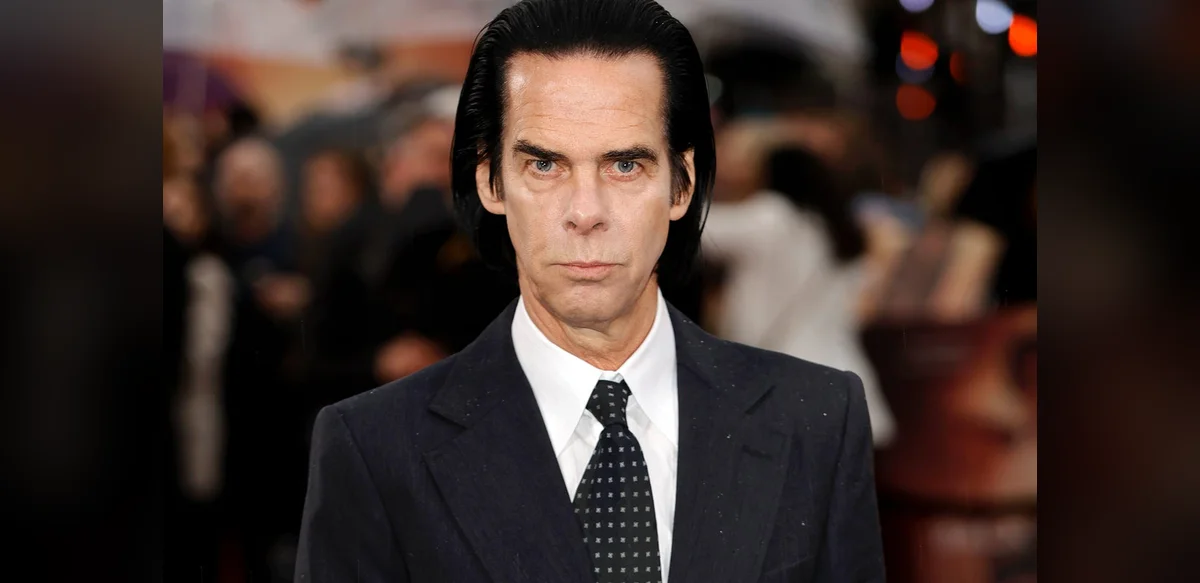
A prominent musician has voiced strong reservations about the role of artificial intelligence in the realm of music creation. The artist described the technology as representing a profound challenge to human expression and effort in the arts. According to the statement, such systems appear to undermine the essence of creative processes by making human involvement seem redundant. This view highlights worries that AI tools take elements born from personal dedication and turn them into standardized outputs without deeper significance.
The comments come amid growing discussions in the music industry about how emerging technologies might alter traditional methods of composition and performance. Many creators have begun examining the balance between innovation and the preservation of authentic artistic voices. In this context, the musician’s remarks underscore a sense of loss associated with automated systems that replicate styles or generate new works based on existing human contributions.
Observers note that these concerns reflect broader debates about the future of creativity in an era of rapid technological advancement. While some see potential benefits in efficiency and accessibility, others emphasize the irreplaceable value of human emotion and struggle in producing meaningful art. The musician’s perspective adds to this conversation by focusing on the potential diminishment of the human element.
Industry analysts suggest that reactions like this one may influence how artists approach collaborations with technology companies or the adoption of new tools. It also raises questions about intellectual property and the origins of creative inspiration when machines are involved. Supporters of AI in music often argue for its use as an assistive device rather than a replacement, yet the quoted view presents a more cautionary stance.
Further reflections from the artist point to the idea that these developments mock fundamental aspects of human endeavor. By reducing complex processes of growth and discovery to simple products, the technology is seen as stripping away layers of personal investment. This sentiment resonates with those who prioritize the journey of creation over the final result alone.
Public responses to the statement have varied, with some expressing agreement on the need to safeguard artistic integrity. Others advocate for exploring hybrid approaches that combine human oversight with computational assistance. Regardless, the discussion continues to evolve as more musicians encounter and experiment with available AI platforms.
Educational institutions focused on music and the arts may also consider incorporating these topics into curricula to prepare students for shifting landscapes. Understanding both the capabilities and limitations of such tools could help future generations navigate ethical considerations in their work. The musician’s words serve as a reminder of the ongoing tension between progress and tradition.
In summary, the expressed viewpoint calls attention to potential downsides of AI integration in creative domains. It encourages ongoing dialogue among practitioners, technologists, and audiences about maintaining the soul of artistic pursuits. As developments unfold, additional voices are likely to contribute perspectives that shape industry standards and practices moving forward.
The statement has sparked renewed interest in examining how technology intersects with cultural expressions across various genres. Musicians worldwide are reflecting on similar themes, considering what elements of their craft remain uniquely human. This ongoing examination could lead to new frameworks for responsible innovation that respect foundational principles of creativity.
Ultimately, the concerns raised highlight the importance of thoughtful engagement with emerging tools. By prioritizing human agency in the creative process, the field may find ways to harness benefits while mitigating perceived risks. The musician’s commentary stands as a notable contribution to these evolving conversations within the arts community.

