


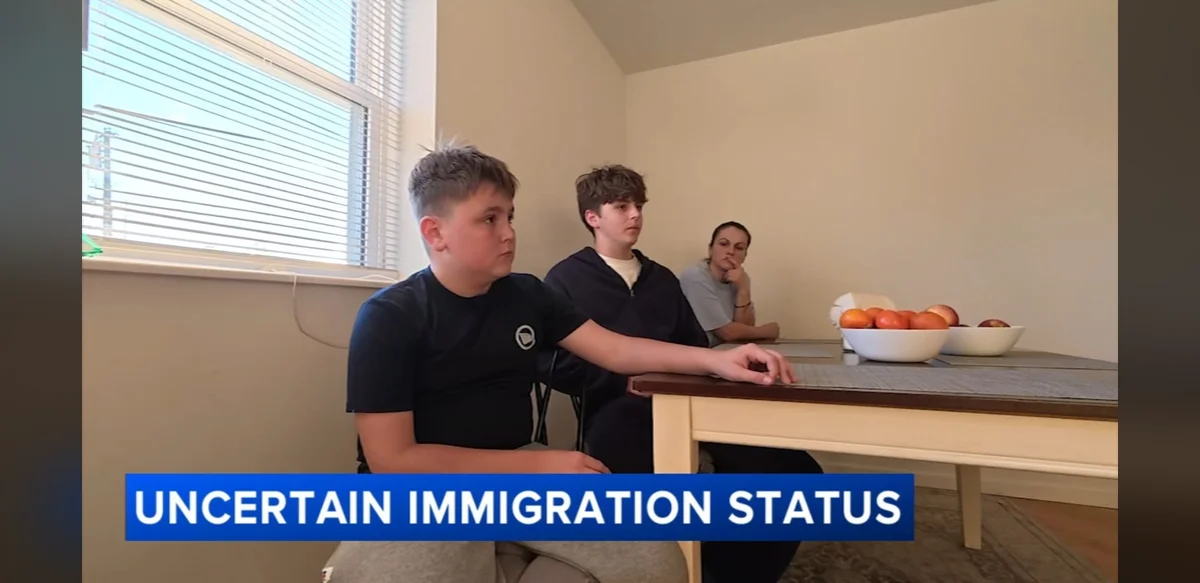
A Philadelphia household originally from Ukraine continues to navigate challenges tied to temporary immigration protections that have been extended but remain uncertain in the long term. The situation affects numerous families who arrived in recent years seeking stability amid global events. For one teenager in the city, the matter carries deep personal weight as his relatives relocated nearly five years earlier to access specialized medical care for a sibling at a major children’s hospital. The younger brother required treatment for an uncommon condition, prompting the move to the area known for advanced healthcare options.
Temporary Protected Status, often referred to as TPS, allows eligible individuals from designated countries to remain in the United States without fear of deportation while work permits are renewed periodically. Extensions for certain nationalities have been granted on a rolling basis, yet the program itself faces periodic reviews that create anxiety for participants. Families in similar circumstances report difficulties planning for education, employment, and healthcare continuity when renewal dates approach without clear future assurances.
Community organizations in the region have noted increased inquiries from affected households about legal pathways and support services. Local advocates emphasize the importance of access to medical facilities for those managing chronic or rare illnesses. In this case, the relocation enabled consistent treatment that might not have been available elsewhere, highlighting how healthcare needs intersect with immigration policies.
Broader discussions around TPS involve considerations of economic contributions by participants, integration into local communities, and humanitarian factors. Officials have cited ongoing conditions in the home country as justification for continued designations, though debates persist regarding the duration and scope of such measures. For the family in question, daily life involves balancing school, medical appointments, and efforts to maintain legal standing.
Residents in comparable situations often seek guidance from immigration attorneys and nonprofit groups focused on refugee and asylee support. These entities provide information on application processes and potential adjustments to status. The teenager has spoken about the personal impact, noting how the family’s circumstances revolve around ensuring the sibling receives necessary interventions while adapting to life in a new environment.
Public health experts point out that consistent medical access benefits not only individuals but also reduces strain on emergency systems. Programs like TPS can facilitate such stability when properly maintained. Meanwhile, the household continues to monitor updates from federal agencies regarding any changes to protection timelines.
In Philadelphia, support networks have formed around cultural and linguistic needs for Ukrainian arrivals, offering resources beyond legal aid. These include assistance with school enrollment and connections to specialists. The story of this particular family underscores the human element behind policy decisions that affect thousands across the country facing parallel uncertainties.
As extensions are announced temporarily, affected individuals weigh options for long-term residency or other forms of relief. The process requires repeated filings and documentation, adding administrative burdens. For those with medical dependencies, any disruption poses risks to treatment regimens established over years.
Observers note that such cases illustrate intersections between immigration frameworks, healthcare infrastructure, and family welfare. Local leaders have called for clearer communication from authorities to ease concerns. The teenager’s account reflects a common thread among peers whose lives were shaped by the need for specialized care unavailable in prior locations.
Overall, the temporary nature of current protections leaves many planning short-term rather than investing in permanent roots. Community events and informational sessions aim to keep families informed amid evolving regulations. This Philadelphia example serves as one illustration of wider patterns involving Ukrainian nationals and similar programs nationwide.

