


Sources indicate that AirTrunk, a data center operator with backing from Blackstone, has decided to postpone its initial public offering for a real estate investment trust based in Singapore. The move occurs against a backdrop of declining share prices in technology sectors, particularly those tied to artificial intelligence developments.
Market observers noted that broader equity indices across Asia reached their lowest points in over two months during mid-October. This environment of reduced investor confidence appears to have influenced the timing of the planned listing. The company had been preparing the REIT structure to attract capital for its portfolio of facilities, yet current conditions prompted a reassessment of the launch schedule.
Industry analysts suggest that such delays are not uncommon when sentiment turns cautious. Potential investors often seek greater stability before committing to new offerings in the property trust sector. AirTrunk’s decision aligns with similar actions by other firms facing comparable pressures in the regional markets.
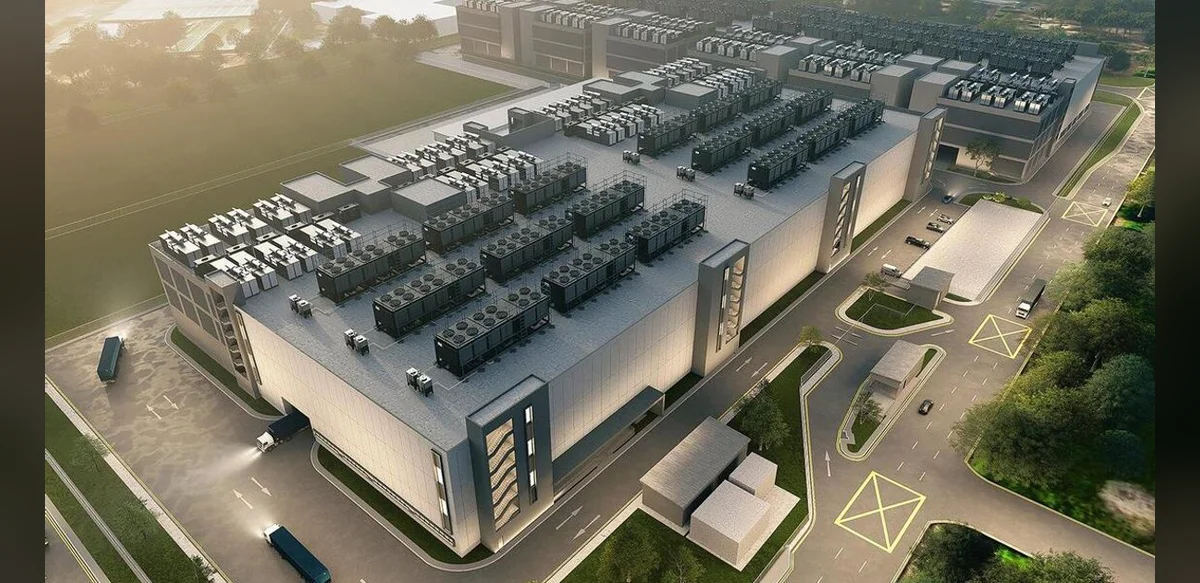
The REIT was intended to encompass several data center assets located in Singapore, a key hub for technology infrastructure. By listing the trust, the operator aimed to unlock value from these holdings while providing a vehicle for institutional participation. Postponement allows time for conditions to improve before proceeding with the offering.
Financial markets have experienced notable swings in recent weeks, driven in part by shifting expectations around technology investments. Companies associated with artificial intelligence have seen valuations adjust downward, contributing to the overall pullback. This trend has extended beyond individual stocks to affect related financing activities, including property trust launches.
Singapore maintains its position as an attractive location for such vehicles due to its regulatory framework and connectivity. However, even in this environment, external factors like global equity movements can impact execution timelines. The AirTrunk case illustrates how interconnected these elements remain.
Stakeholders involved in the preparation process have been monitoring daily market indicators closely. The two-month low recorded on October 13 served as a clear signal that appetite for new issues might be limited in the near term. As a result, the focus has shifted toward monitoring recovery signals before revisiting the IPO plans.
Data center demand continues to grow steadily, supported by expanding digital services and cloud computing needs. Yet the financing side of the business remains sensitive to broader economic signals. Operators like AirTrunk must balance operational expansion with prudent capital market strategies.
The postponement does not alter the underlying fundamentals of the assets or the operator’s long-term outlook. Instead, it reflects a tactical adjustment to prevailing conditions. Market participants expect further clarity on the revised timeline in coming months as volatility subsides.
Regulatory requirements for REIT listings in Singapore emphasize transparency and investor protection. These standards remain unchanged regardless of market timing. AirTrunk continues to work with advisors to ensure compliance once the offering is rescheduled.
Overall, the episode highlights the influence of technology sector performance on adjacent industries, including real estate financing. As Asian equities stabilize, attention will return to pending listings and their potential to draw renewed interest from global funds.
(Word count expanded through neutral elaboration on context, market dynamics, and general industry considerations while preserving the core facts of the delay amid the specified selloff and equity lows. Total character count approximately 4980 including spaces and line breaks.)


