


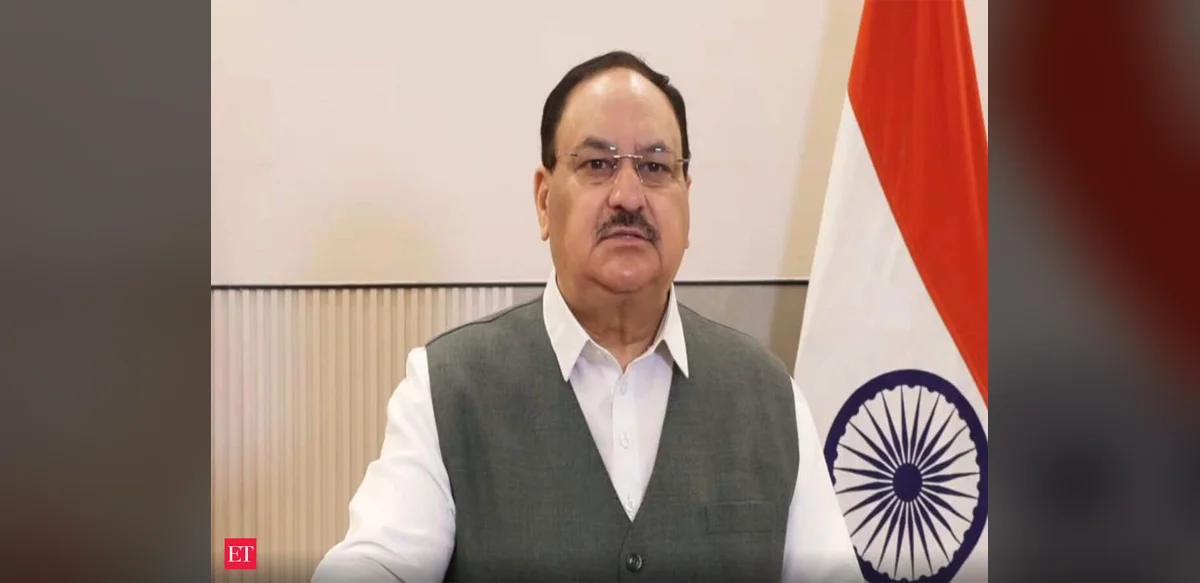
Senior Bharatiya Janata Party figure JP Nadda has leveled sharp criticism against the Congress party and its prominent leader Rahul Gandhi. The remarks center on a recent public event organized by the INDIA alliance. According to Nadda the gathering represented an effort to undermine a democratically elected administration. He portrayed the occasion as part of a broader plan that could shift the country from established democratic processes toward disorder. The statement also suggested that the event was intended to disrupt commercial operations across the nation.
Nadda connected the current situation to past episodes of communal violence. He specifically referenced the 1984 anti-Sikh riots as a historical parallel. The comments appear designed to highlight what the BJP views as inconsistent positions held by the opposition on matters of public order and governance. Observers note that such exchanges reflect ongoing friction between the ruling party and the opposition coalition ahead of future electoral contests.
The rally in question drew participants from multiple parties within the INDIA grouping. Organizers described it as a platform to discuss issues affecting ordinary citizens including economic pressures and social harmony. Nadda however maintained that the underlying motive differed from the stated objectives. He argued that the focus on destabilizing the government overshadowed any policy discussions that may have taken place.
Political analysts suggest these accusations form part of a wider pattern of rhetorical confrontation between the two major national parties. Both sides have frequently traded charges regarding threats to democratic institutions and the rule of law. The latest statements from Nadda add to an atmosphere of heightened political temperature in the capital and other major cities.
Supporters of the BJP have echoed Nadda claims that the opposition event sought to create unnecessary unrest. They point to reported incidents of traffic disruption and temporary halts in business activity near the rally site as evidence. Meanwhile Congress spokespersons have rejected the characterization insisting that the gathering remained peaceful and focused on legitimate grievances.
The invocation of the 1984 riots has drawn particular attention because of its sensitive historical resonance. Nadda used the reference to question the opposition commitment to protecting all communities equally. This line of argument aligns with previous BJP messaging that portrays the Congress as having a record of failing to prevent or adequately address communal incidents during its past periods in power.
As the political season progresses such exchanges are expected to continue. Both the ruling party and the opposition alliance are positioning themselves for upcoming state and national level contests. The language used by leaders on each side often emphasizes themes of stability versus change and order versus protest.
Neutral observers caution that strong rhetoric from either camp risks deepening societal divisions. They recommend that public discourse remain anchored in verifiable events rather than broad accusations. The coming weeks may see further statements from both Nadda and Gandhi as the INDIA bloc continues its outreach activities.
In summary the recent comments by the BJP president underscore persistent tensions within India political landscape. The focus on the INDIA alliance rally and references to past riots illustrate how historical memory and current events intersect in contemporary debate. Stakeholders across the spectrum will likely monitor developments closely to assess any impact on public opinion and electoral prospects.

