

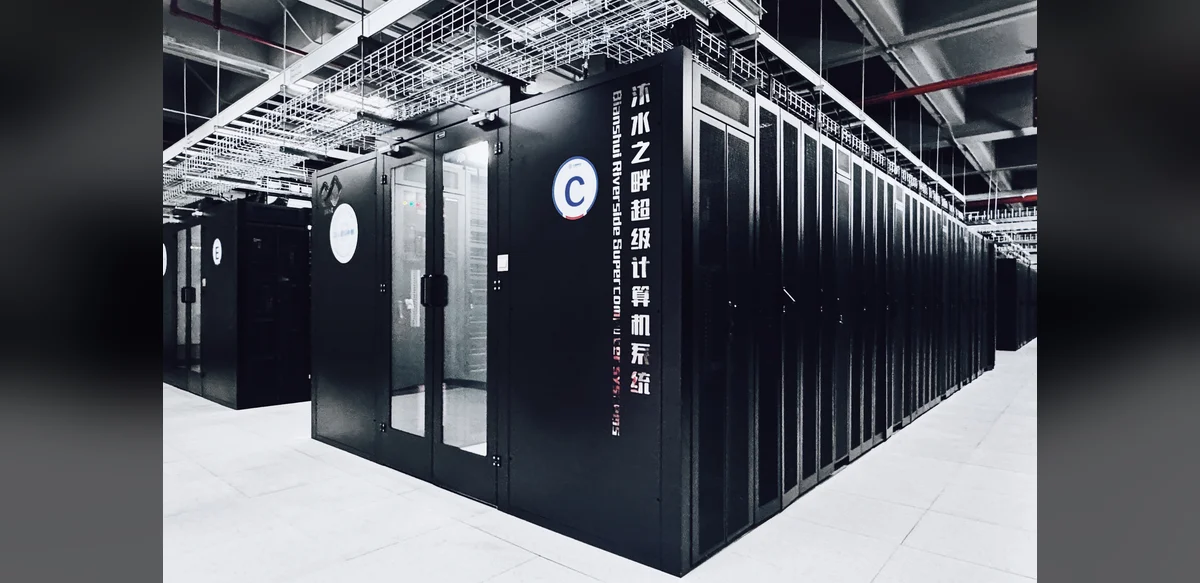
Suzhou in Anhui province is undergoing a notable economic transition as local authorities and private investors focus on expanding computing facilities. The initiative centers on converting areas once dominated by agricultural storage into sites equipped for large-scale data processing. Officials describe the change as a strategic move to align the region with national priorities in digital infrastructure.
The project involves construction of multiple facilities designed to handle high volumes of data traffic. These centers are expected to support industries ranging from manufacturing to research. Local planners note that the shift builds on existing power grids and transport links while introducing new requirements for cooling systems and network connectivity.
Historically, the area relied on grain production and related storage operations. Over recent years, demand for digital services has grown, prompting reconsideration of land use. The new facilities aim to attract technology firms seeking reliable computing capacity outside major coastal hubs.
Community leaders have highlighted potential employment opportunities in construction, maintenance, and technical support roles. Training programs are being discussed to prepare residents for positions that require skills in system monitoring and basic network management. Early estimates suggest several hundred jobs could be created during the initial phase.
Environmental considerations remain part of the planning process. Developers are evaluating energy-efficient designs to limit power consumption. Discussions include integration of renewable sources where feasible, though specific targets have not yet been finalized.
Regional comparisons show similar conversions in other provinces where agricultural zones have been repurposed for technology use. Suzhou officials are monitoring outcomes in those locations to refine their own approach. Coordination with provincial agencies is ongoing to ensure compliance with broader development guidelines.
The timeline calls for phased completion over the next several years. Initial structures are scheduled to begin operations within eighteen months, with additional capacity added in subsequent stages. Progress reports will be issued periodically to update stakeholders on milestones.
Business analysts observe that such projects can influence local property values and service demands. Increased activity may lead to expanded retail and housing needs near the sites. Municipal budgets are being reviewed to accommodate possible infrastructure upgrades.
International interest in Chinese data capacity continues to rise as global demand for cloud services expands. Suzhou’s location offers advantages in land availability and connectivity to inland markets. Project promoters emphasize these factors when presenting the initiative to potential partners.
Challenges include ensuring stable electricity supply during peak periods and managing water usage for cooling equipment. Technical teams are studying solutions implemented elsewhere to address these issues efficiently.
Overall, the effort reflects a broader pattern of economic diversification in inland Chinese cities. By focusing on computing resources, Suzhou seeks to establish a distinct role within national technology networks while maintaining ties to its agricultural heritage through careful land management.


