


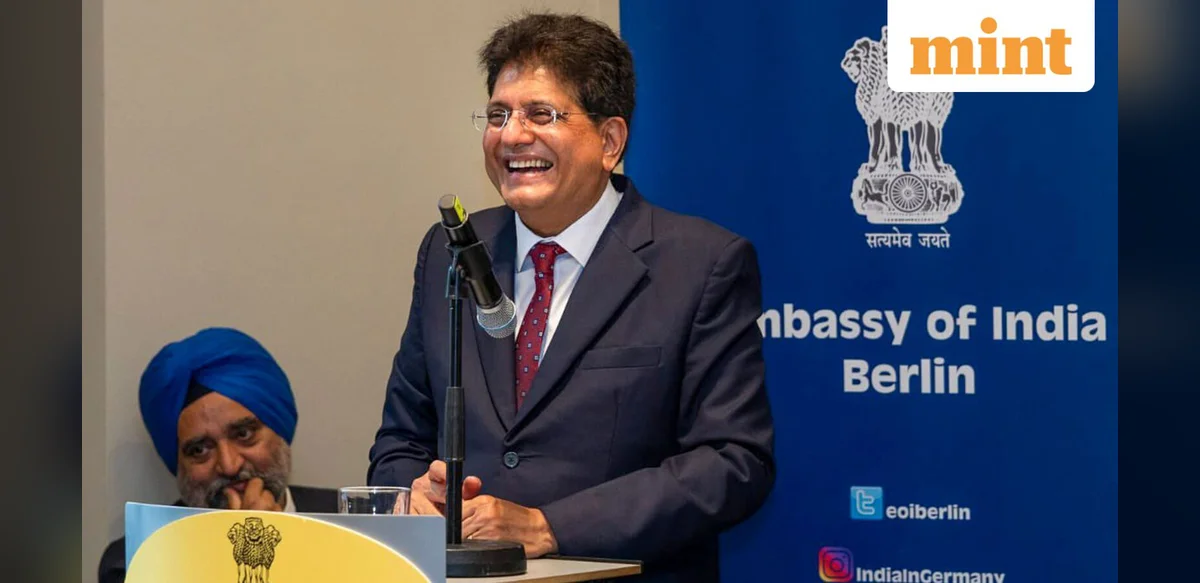
The government of India has initiated steps to determine which parts of the economy may remain stable amid rapid changes driven by artificial intelligence. Commerce minister Piyush Goyal highlighted this ongoing effort during recent remarks. Officials aim to map out sectors capable of withstanding potential disruptions from advanced technologies. This work falls under the commerce and industry ministry and seeks to prepare the nation for future economic landscapes.
India continues to monitor global trends in technology adoption. The focus remains on identifying areas where human skills and traditional processes could retain value even as automation advances. By examining various industries the ministry hopes to gain clearer insights into long term stability. Such analysis supports broader goals of economic resilience and informed policy decisions.
Discussions around artificial intelligence often center on its capacity to transform workplaces and production methods. In response Indian policymakers are taking a measured approach. They emphasize the need to understand both opportunities and challenges presented by these tools. The current project represents one part of that broader evaluation process.
Stakeholders across different fields may be consulted as the identification work progresses. The ministry intends to gather data and perspectives to build a comprehensive view. This methodical strategy aligns with efforts to maintain steady growth while adapting to innovation. Results from the exercise could inform future strategies without rushing into untested assumptions.
Public statements from officials underscore the importance of proactive planning. By pinpointing resilient sectors the country can better allocate resources and training programs. The initiative reflects awareness of how technology evolves and affects multiple domains simultaneously. Continued attention to these matters helps ensure balanced development over time.
Overall the process involves careful review of existing economic structures. It avoids premature conclusions and instead prioritizes evidence based assessment. As artificial intelligence capabilities expand such evaluations become increasingly relevant for national planning. The commerce and industry ministry remains committed to thorough examination in this regard.
Further updates on the project may emerge as data collection advances. In the meantime the emphasis stays on factual analysis rather than speculation. This approach allows for adjustments based on real world observations. Indian economic policy continues to evolve in line with technological realities while preserving core strengths.
The identification of AI resistant sectors forms part of wider conversations on sustainable progress. Officials note that no single technology dictates all outcomes and diversity in economic activities provides natural buffers. Through this work the ministry contributes to a more prepared and adaptable economy. Regular reviews will help track changes and refine understandings as needed.

