

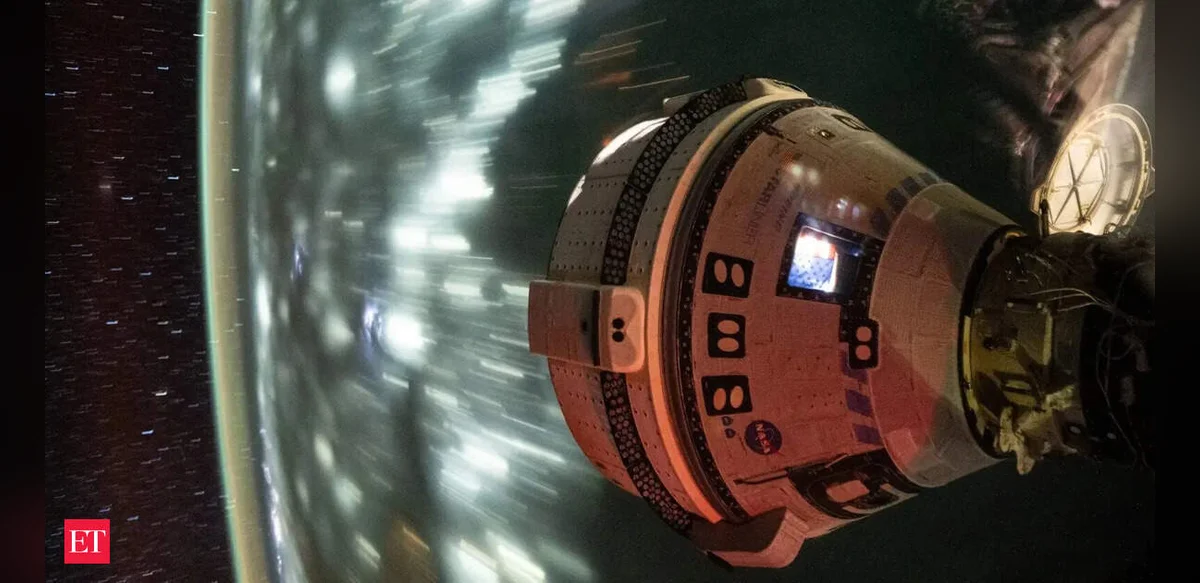
NASA and Boeing are preparing for the Starliner-1 uncrewed mission aimed at validating spacecraft improvements. This mission is scheduled for either December 2026 or January 2027 and will provide critical flight data. Officials expect to integrate lessons learned from this flight into future crewed operations. The phased plan focuses on thorough testing to ensure reliability before resuming crewed flights. Engineers will review performance metrics from the uncrewed test to address any identified issues. The approach emphasizes safety and incremental progress toward full operational status. Additional ground tests and simulations are planned to support the timeline. Stakeholders continue to monitor progress closely as preparations advance. The overall strategy seeks to restore confidence in the spacecraft through systematic validation steps. Further details on subsequent phases will be shared as data becomes available from the initial uncrewed flight. This methodical process reflects standard practices in aerospace development where each stage builds upon prior results. Teams are coordinating across multiple sites to meet the proposed launch window. Data collected will inform adjustments to hardware and software systems. The effort underscores the importance of rigorous verification in human spaceflight programs. Continued collaboration between the agency and the contractor remains central to achieving the objectives. Updates on milestones will be provided through official channels as the project moves forward. The initiative represents a careful balance between innovation and proven engineering principles. All activities align with established protocols for spacecraft certification. The uncrewed mission serves as a key checkpoint in the broader return-to-service roadmap. Analysts note that such phased returns are common in complex vehicle programs. Resource allocation and scheduling adjustments are ongoing to support the December 2026 or January 2027 target. Public briefings are expected to detail progress at regular intervals. The focus remains on delivering a dependable transportation system for future missions. Integration of findings from the test flight will guide enhancements for crewed variants. This structured methodology aims to minimize risks while advancing capabilities. Coordination with international partners may also play a role in data analysis. The plan demonstrates commitment to thorough evaluation prior to operational deployment. As the timeline approaches, preparatory activities will intensify across involved organizations. The outcome of the uncrewed mission will shape decisions on the pace of subsequent crewed flights. Overall, the initiative prioritizes safety through deliberate, evidence-based steps. Additional information regarding specific test objectives will be released in due course. The collaborative framework between NASA and Boeing continues to evolve to meet project demands. Emphasis on data-driven decision making underpins every phase of the return plan. This approach allows for flexibility in addressing unforeseen challenges during development. The scheduled mission window provides sufficient time for comprehensive preparation. Stakeholders anticipate that successful completion of the uncrewed test will pave the way for renewed crewed activities. Documentation of all procedures ensures transparency and accountability throughout the process. The phased strategy incorporates feedback loops to refine systems iteratively. Resource planning includes contingencies for potential delays or modifications. The broader context of space transportation highlights the value of redundant testing protocols. NASA officials have stressed the need for patience in achieving reliable service restoration. Boeing teams are aligning their efforts with agency guidelines to fulfill shared goals. The uncrewed flight represents an essential building block in the overall architecture. Future updates will clarify how lessons from this mission influence long-term planning. The commitment to a measured return underscores priorities in aerospace safety standards. All elements of the plan are designed to support sustainable operations over multiple missions. Coordination meetings occur regularly to track advancements and resolve issues promptly. The December 2026 or January 2027 timeframe allows for thorough integration of improvements. This timeline reflects realistic assessments of technical and logistical requirements. The initiative continues to draw on expertise from various disciplines within the organizations involved. Public interest in the program remains high as milestones approach. The structured phases provide clear benchmarks for measuring progress. Ultimately, the goal is to establish a dependable pathway for crewed space travel using the Starliner system.


