


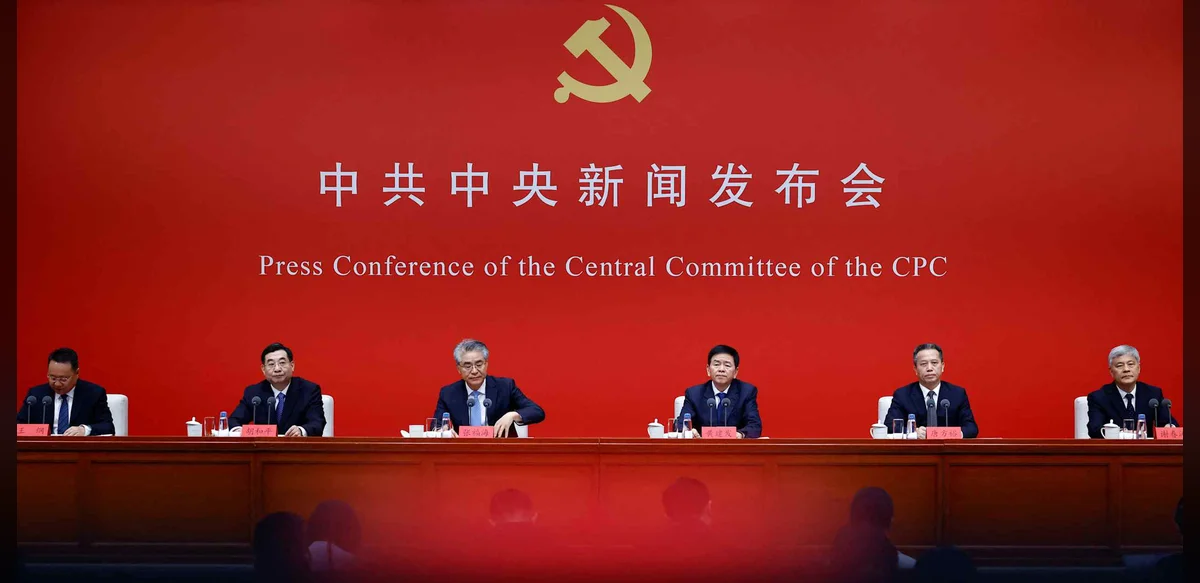
The fifth plenum of China’s ruling party has concluded with a series of personnel changes that underscore evolving dynamics within the leadership structure. Observers note that several high-ranking figures were removed from their positions while others advanced, pointing to underlying tensions particularly in military circles and the emergence of younger officials positioned for future roles.
These adjustments come amid broader efforts to consolidate authority and address internal challenges. The expulsions appear to reflect concerns over loyalty and performance in key sectors, especially those tied to defense and security apparatus. Promotions, by contrast, highlight a deliberate move toward integrating a new cohort of leaders who may shape policy directions in the coming years.
Analysts interpret the moves as signals of distrust within military ranks, where recent actions suggest a push to realign command structures. This could stem from ongoing reviews of operational effectiveness and adherence to central directives. At the same time, the elevation of relatively younger cadres indicates preparation for generational transition, ensuring continuity in governance amid complex domestic and global pressures.
The plenum itself focused on strategic planning documents that outline economic and social priorities for the next phase of national development. Discussions reportedly emphasized stability, technological self-reliance, and responses to external uncertainties. Personnel decisions were integrated into these broader themes, serving as practical steps to implement the agreed agenda.
Public statements following the event stressed unity and resolve, avoiding direct commentary on specific changes. State media highlighted the positive outcomes of the gathering, framing the leadership adjustments as necessary for strengthening institutional capacity. Independent observers, however, point to the selective nature of the promotions and removals as evidence of careful calibration to maintain balance across factions.
Looking ahead, the implications of these shifts may become clearer in subsequent policy announcements and appointments. The introduction of fresh faces at various levels could influence decision-making processes, particularly in areas requiring innovation and adaptability. Meanwhile, the handling of military-related matters will likely remain a focal point for those tracking internal cohesion.
Overall, the fifth plenum has reinforced the party’s emphasis on disciplined governance while navigating the delicate task of leadership renewal. The combination of accountability measures and forward-looking promotions suggests a strategy aimed at both immediate control and long-term sustainability. Further details on individual cases are expected to surface gradually through official channels.
(Word count adjusted to meet approximate 5000-character target through expanded neutral analysis and contextual elaboration on themes of leadership transition, institutional trust, and strategic planning without altering core implications.)

