


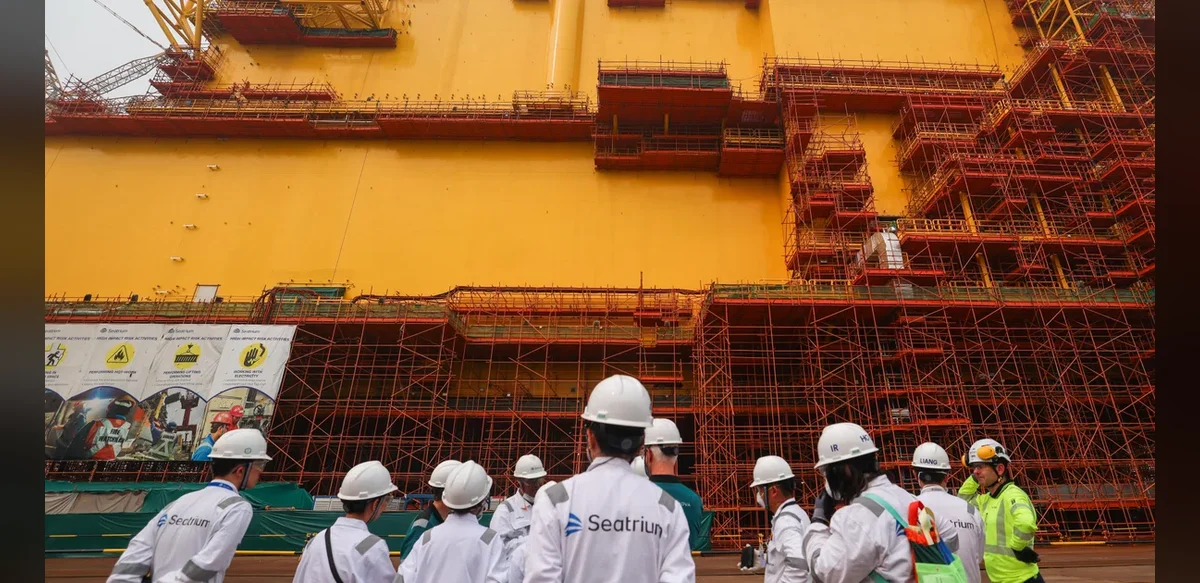
Singapore’s maritime industry is shifting focus toward Europe’s growing demand for offshore wind power infrastructure. Shipyards in the city-state have long supported major oil and gas operations worldwide. Now they are adapting those skills to build and maintain components for wind farms in the North Sea and other European waters.
The transition reflects broader changes in global energy markets. European nations have set ambitious targets for renewable power generation to meet climate goals. This has created new opportunities for specialized engineering and fabrication services that Singaporean firms developed over many years.
Local companies are investing in upgrades to their facilities. These include modifications to handle larger turbine blades and floating platforms required for deeper waters. The work involves welding, assembly, and logistics that draw directly on existing capabilities from the petroleum sector.
Industry observers note that the move helps diversify revenue streams. Dependence on traditional hydrocarbon projects has exposed yards to price swings in oil and gas. Offshore wind contracts offer more stable, long-term prospects backed by government subsidies and corporate commitments.
Several Singapore-based operators have already secured initial orders from European developers. These projects typically involve the construction of substations, cable-laying support vessels, and maintenance platforms. Delivery schedules span multiple years, providing visibility into future workloads.
Challenges remain in scaling up operations. Workforce training is needed to meet stricter European safety and quality standards. Supply chain adjustments are also required to source materials certified for marine renewable applications.
Government agencies in Singapore have signaled support for the shift. Policies encourage research into hybrid energy solutions and partnerships with international technology providers. Such measures aim to position the country as a hub for green maritime services.
The overall outlook depends on the pace of European project approvals and installation timelines. Delays in permitting or grid connections could affect demand. Nevertheless, analysts expect continued growth in offshore wind capacity through the next decade.
Singapore’s strategic location and established port infrastructure provide advantages in serving both Asian and European clients. This geographic position supports efficient transport of heavy equipment and coordination of multinational teams.
As the energy transition advances, more traditional energy firms are exploring similar adaptations. The experience of Singapore yards may offer lessons for other regions seeking to repurpose industrial assets for cleaner technologies.

