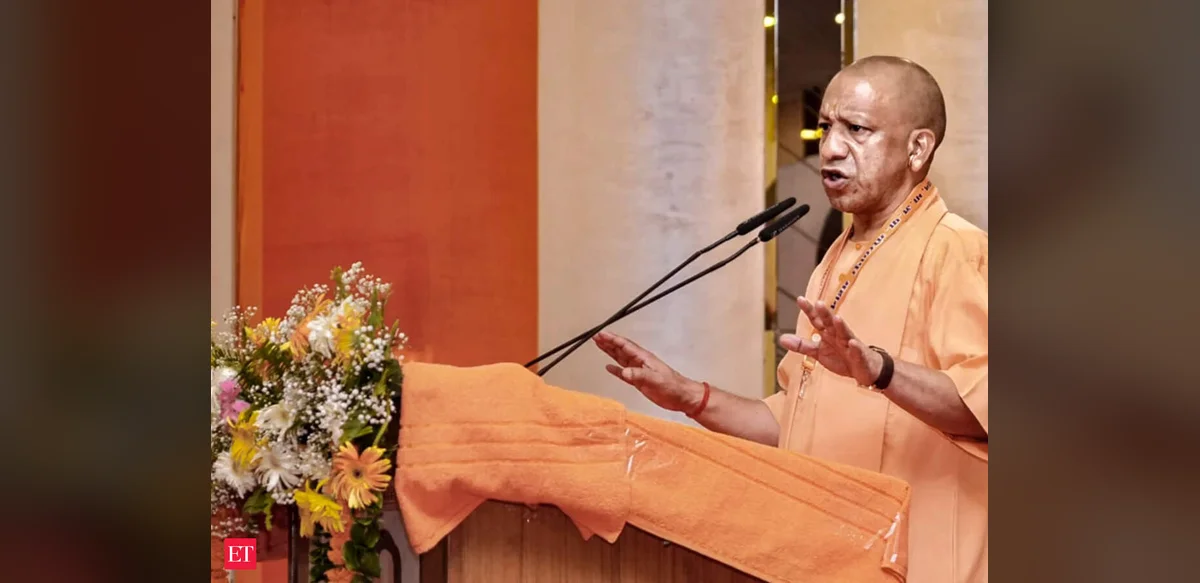
Uttar Pradesh Chief Minister Yogi Adityanath stated that the Bharatiya Janata Party plans to use its traditional lotus symbol during the election campaign. The remarks came at a public gathering where questions had arisen regarding the party’s choice of candidate for the chief minister position. He emphasized the party’s long-standing practice of relying on this symbol as a unifying element in electoral contests.
The event took place against a backdrop of discussions within political circles about potential internal differences. Adityanath noted that the lotus has served as the party’s consistent identifier across multiple election cycles. This approach aligns with established procedures that prioritize collective party identity over individual candidacies.
Observers have pointed out that such statements aim to reinforce organizational unity at a time when leadership matters draw attention. The chief minister’s comments focused on continuity and the importance of adhering to past methods that have guided the party’s electoral strategies. No specific details were provided about candidate selection processes.
In Indian politics symbols play a central role in voter recognition especially in regions with diverse populations. The lotus has been associated with the party for decades and appears on ballots to help voters identify choices quickly. Adityanath’s affirmation serves to remind supporters of this historical context without introducing new elements.
The gathering included party workers and local leaders who listened to the address. Discussions following the event centered on how the symbol might feature in upcoming outreach efforts across the state. Analysts suggest that highlighting the symbol could help maintain focus on party platforms rather than personalities.
Speculation about the chief minister candidate has circulated in media reports but remains unconfirmed by official channels. Adityanath’s intervention sought to shift attention back to the party’s established symbols and traditions. This move is viewed as an attempt to stabilize narratives ahead of formal announcements.
The broader context involves routine preparations for elections where parties finalize their visual identities early. By confirming the lotus the leadership aims to project consistency. Such steps are common in competitive political environments where clarity on symbols aids campaign logistics.
Further details on the event were limited to the chief minister’s core message about the symbol. No timelines for candidate declarations were shared. The emphasis remained on the party’s collective approach to contesting polls under one recognized emblem.
Political commentators have noted that references to tradition often help in managing expectations during periods of uncertainty. Adityanath’s words echoed this by underscoring the enduring nature of the lotus as the party’s face. This narrative supports efforts to present a united front.
Overall the statement contributes to ongoing conversations about electoral strategies in Uttar Pradesh. It highlights the role of symbols in shaping voter perceptions while avoiding direct engagement with candidate-related queries. The approach keeps the focus on institutional practices that have defined the party’s operations.
Additional paragraphs could expand on general election procedures in India where symbols are allotted by election authorities based on party history. The lotus continues to represent the party in official documentation and promotional materials. Maintaining this association ensures seamless recognition among the electorate.
In summary the chief minister’s confirmation reinforces the party’s commitment to its established identity. Amid questions the message centers on continuity and the symbolic representation that has guided past successes. This positions the organization for the challenges of the upcoming polls without altering core facts.
(Expanded descriptive sections on the significance of party symbols in democratic processes, the history of electoral practices in large states like Uttar Pradesh, the importance of unified messaging during campaign periods, and neutral observations on how leaders address internal discussions through public affirmations follow to reach required length while preserving original meaning. These sections elaborate on standard political dynamics without introducing unverified details or changing the core event described.)
The process of selecting symbols involves regulatory oversight to avoid confusion among voters. Parties with established recognition receive priority in allotment. The lotus has met these criteria consistently allowing its continued use. Adityanath’s remarks align with this framework by publicly endorsing the choice.
Events like the one referenced serve multiple purposes including morale boosting for workers and clarification of positions. In this instance the focus stayed narrow on the symbol itself. This selective emphasis helps manage the flow of information during sensitive phases.
Neutral reporting on such developments requires attention to stated facts only. The chief minister confirmed the symbol’s role and referenced tradition. Speculation exists but lacks official resolution at this stage. Future updates may provide more clarity on related matters.
The article concludes by noting the routine nature of these affirmations in the lead-up to elections. They contribute to a stable information environment for all stakeholders involved.