


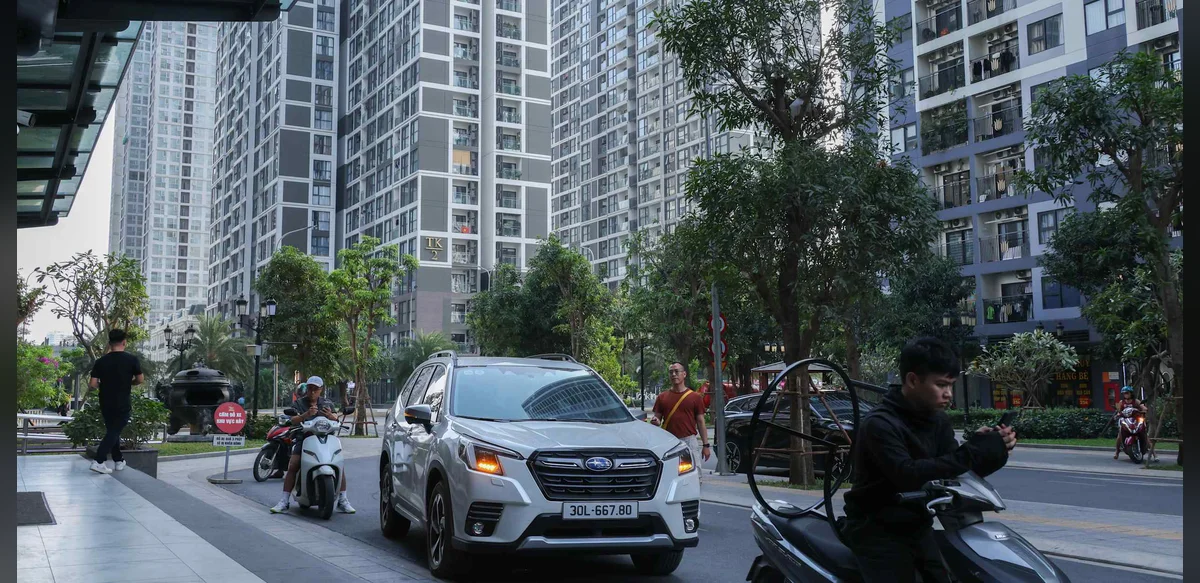
Vietnam’s property market has experienced a significant slowdown, with sales of homes and apartments dropping to their lowest levels since 2021. The decline comes as higher prices place increasing pressure on potential buyers, particularly in major cities like Hanoi. Recent data indicates that apartment prices in the capital have risen sharply, reaching nearly two and a half times the levels recorded four years earlier. This surge in costs has contributed to reduced transaction volumes across the sector.
Industry observers note that the combination of elevated pricing and limited buyer affordability has led to fewer completed deals. Developers have reported slower absorption rates for new projects, with many units remaining unsold for extended periods. The trend reflects broader challenges in matching supply with demand under current economic conditions.
Market analysts attribute part of the price increase to ongoing urban development and infrastructure improvements that have boosted land values in key locations. However, these gains have outpaced wage growth for many households, limiting the pool of qualified purchasers. First-time buyers in particular have faced difficulties securing financing at prevailing rates.
Government statistics show that overall property registrations and transfers have fallen compared to previous years. This contraction follows a period of stronger activity in 2021 and 2022, when post-pandemic recovery supported higher volumes. The current environment has prompted some firms to adjust project timelines or scale back new launches.
Regional variations exist within the country, though the capital and surrounding areas have shown the most pronounced effects. Secondary markets for existing homes have also seen reduced activity as sellers adjust expectations in line with buyer caution. Financing institutions have maintained strict lending criteria, further influencing purchase decisions.
The situation has implications for related industries, including construction materials and professional services tied to real estate. Employment in these areas may face indirect pressure if project pipelines continue to contract. Policymakers have monitored the developments closely, with discussions around measures to support market stability.
Longer-term forecasts suggest that recovery will depend on factors such as interest rate movements, income growth, and the pace of new supply entering the market. Stakeholders emphasize the need for balanced development that aligns pricing with broader economic capacity. Continued data collection will help track progress in the months ahead.
Overall, the property sector’s performance highlights the interplay between cost pressures and consumer demand in Vietnam’s evolving economy. Market participants remain focused on adapting strategies to navigate the current conditions while awaiting signs of renewed momentum.

