


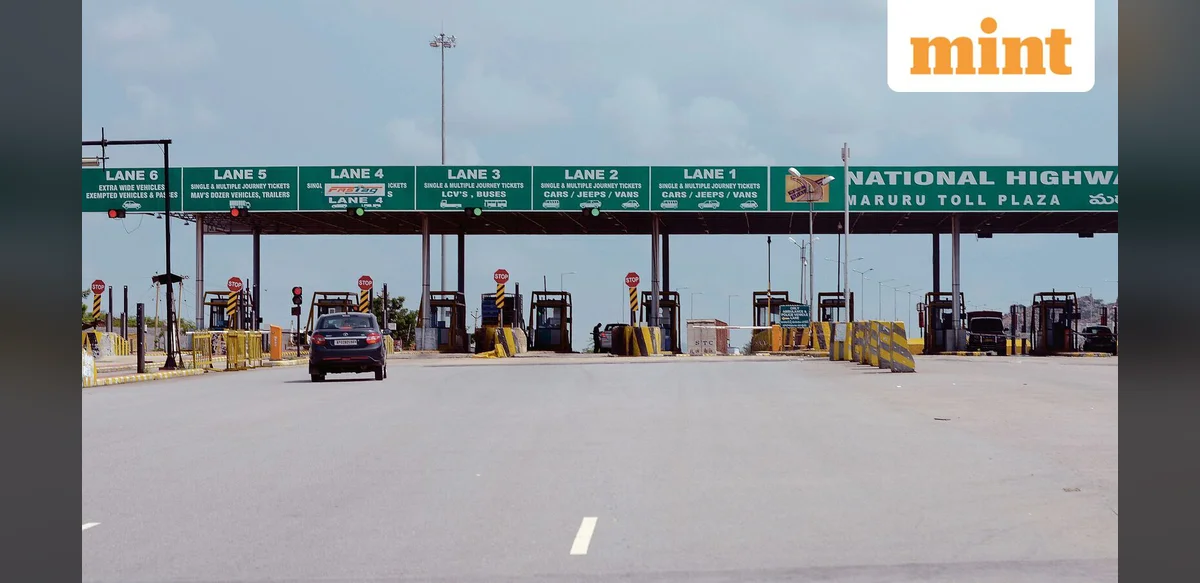
Recent data released by the Indian Highways Management Company Limited provides fresh insights into the financial dynamics of India’s expanding toll road network. The figures highlight how revenue generation is shaped by several interconnected factors, including traffic density on major routes, changes in private sector involvement, and the rollout of the FASTag annual pass system.
High-volume corridors continue to account for a significant share of total collections. These stretches, often located near urban centers or key industrial zones, experience consistent daily traffic that supports steady income streams for operators. In contrast, newer or less-trafficked highways show more variable returns, underscoring the importance of route selection in project planning.
Private participation in highway development has undergone noticeable shifts over recent years. Early models relied heavily on public-private partnerships, yet evolving risk assessments and regulatory adjustments have altered the balance between government funding and private investment. This transition influences both construction timelines and long-term maintenance responsibilities.
The introduction of the FASTag annual pass has further modified revenue patterns. By offering a prepaid option for frequent users, the system reduces transaction times at plazas while creating predictable payment flows. Analysts note that this mechanism supports smoother cash collection and may encourage higher compliance rates among commercial vehicle operators.
Overall, the data illustrates a maturing toll ecosystem where technology, traffic trends, and funding structures interact to determine financial outcomes. Stakeholders across the sector are expected to monitor these indicators closely as network expansion continues.
Additional details from the report emphasize regional variations in collection efficiency. Southern and western corridors, for instance, demonstrate stronger performance metrics compared with certain northern and eastern segments. Such disparities reflect differences in economic activity, vehicle composition, and infrastructure quality.
Policy discussions are likely to focus on optimizing pass structures and adjusting tariff frameworks to balance user affordability with operator viability. Continued data transparency from IHMCL is anticipated to support evidence-based decision making in the coming fiscal periods.

