


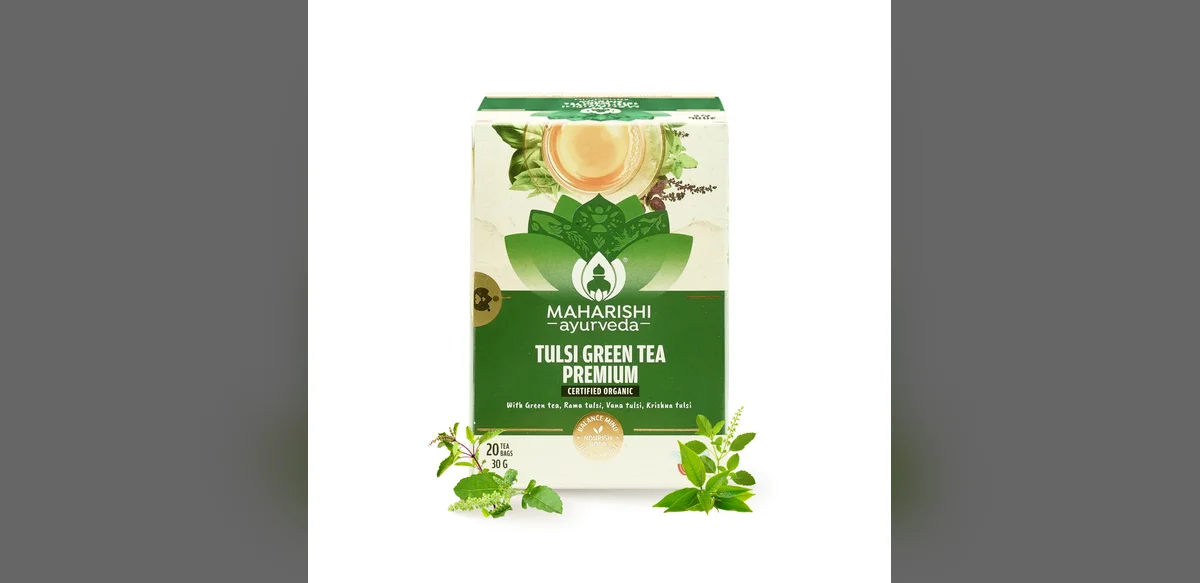
Janmashtami fasting, viewed through Ayurvedic principles, focuses on sattvik qualities that promote lightness in the body and clarity in the mind. Practitioners are encouraged to select foods suited to individual digestion rather than following a uniform routine. Suitable choices often include fresh fruits, milk, soaked nuts, puffed lotus seeds, tapioca, buckwheat, water chestnut flour and amaranth when they align with personal tolerance. Herbal infusions may also be included if they support comfort.
The observance serves both spiritual and physiological purposes. It fosters devotion, self-discipline and quiet contemplation while giving the digestive system a period of reduced activity. In Ayurvedic terms, this rest helps maintain digestive fire and eases seasonal transitions that commonly occur around the festival period. The emphasis remains on moderation so that participants finish the day feeling refreshed rather than depleted.
Ayurveda frames fasting as more than abstention from meals. It extends to calming mental patterns such as anger or excessive worry and limiting overstimulation. This broader approach mirrors traditional guidelines for ethical conduct that support overall wellbeing. The most beneficial fast therefore combines appropriate nourishment with mindful reflection.
Recommendations vary according to constitutional type. Individuals with a vata predominance generally benefit from warm, moist options such as milk with cardamom, stewed fruit or small portions of rice pudding. Those with pitta tendencies are advised to favor cooling items like coconut water, sweet fruits and coriander infusions while steering clear of spicy or acidic triggers. Kapha types often do well with lighter selections including tulsi tea, warm water and modest servings of puffed lotus seeds.
Common foods considered appropriate during the fast include bananas, apples, pomegranates, soaked almonds, walnuts, dates and fresh dairy products when tolerated. Preparations such as tapioca dishes, lotus-seed pudding, buckwheat flatbreads and water-chestnut sweets are frequently mentioned. Beverages typically center on plain or warm water, coconut water and mild herbal teas. Overly stimulating drinks are usually discouraged.
Items to limit or avoid encompass onion, garlic, meat, alcohol, packaged snacks, refined oils, excess caffeine and heavy fried preparations. The goal is to maintain sattvik lightness rather than replace regular meals with equally dense fasting versions. Traditional offerings prepared for the festival, such as butter-sugar mixtures, panjiri and milk-based sweets, are consumed sparingly after the fast concludes.
Breaking the fast is approached gradually. Warm water or a small amount of traditional offering is often taken first, followed by light, easily digested foods. Sudden intake of heavy or spicy meals is discouraged to prevent digestive discomfort. Individuals with medical conditions, pregnant persons, children and older adults are advised to consult healthcare professionals and consider modified, gentler versions that still allow participation through prayer and simple offerings.
Overall, the practice is presented as a means of cultivating both physical ease and devotional focus. When tailored to personal capacity and dosha, it supports the seasonal and spiritual dimensions of the festival without compromising health.

