


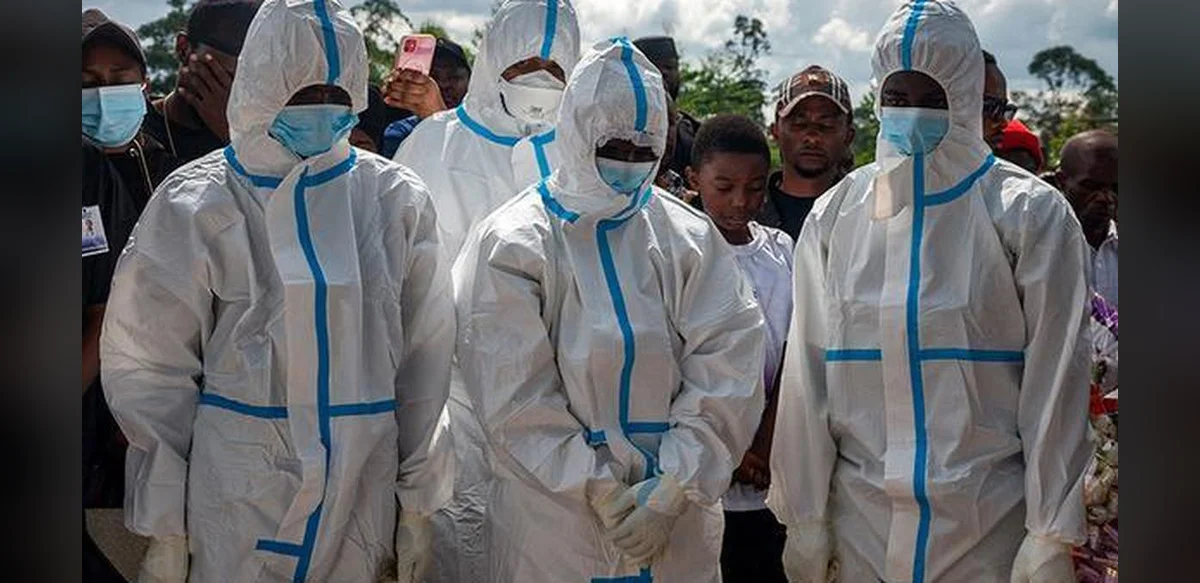
The current Ebola epidemic in Congo has emerged as the most severe among the nation’s seventeen recorded instances of the disease. Health authorities note that the situation continues without effective containment measures even after six months of coordinated response activities. Projections indicate this outbreak may exceed the fatalities recorded during the major West African epidemic from 2014 to 2016 which claimed approximately eleven thousand lives.
Officials emphasize the unprecedented scale of the present crisis compared to prior events in the country. Response teams have deployed extensive resources yet face ongoing challenges in halting transmission. The epidemic’s trajectory suggests it could become the deadliest in Congo’s history surpassing all previous occurrences.
International and local health organizations have mobilized personnel and supplies to affected regions. Despite these actions the virus persists in spreading through communities. Monitoring efforts reveal sustained case numbers that show no signs of decline in the near term.
The comparison to the West African outbreak highlights the potential human cost if current trends hold. That earlier event affected multiple nations and required years of intervention to bring under control. Congo’s response builds on lessons from that period but encounters distinct local obstacles.
Public health messaging focuses on prevention strategies and early detection. Communities receive guidance on hygiene practices and isolation protocols. Nevertheless adherence varies and logistical barriers hinder full implementation across remote areas.
Medical facilities strain under the volume of suspected cases requiring testing and care. Staff operate under strict safety protocols to minimize personal risk while treating patients. Supplies of protective equipment remain critical to sustaining operations.
Surveillance systems track new infections daily to map the epidemic’s reach. Data informs adjustments to intervention strategies in real time. Coordination among agencies aims to optimize resource allocation where needs are greatest.
The six-month mark serves as a milestone for evaluating progress. Assessments reveal that containment goals have not been met. Continued vigilance and support are deemed essential to alter the current course.
Historical context shows Congo has managed prior outbreaks with varying degrees of success. This instance stands apart due to its duration and intensity. Lessons from those experiences guide present actions yet the scale demands additional measures.
The potential to surpass eleven thousand deaths underscores the urgency. Every effort focuses on reducing transmission rates through vaccination campaigns and contact tracing. Success depends on sustained commitment from all involved parties.
Overall the epidemic presents a significant test for regional health infrastructure. Ongoing analysis will determine if adjustments can reverse the trend before further escalation occurs.

