


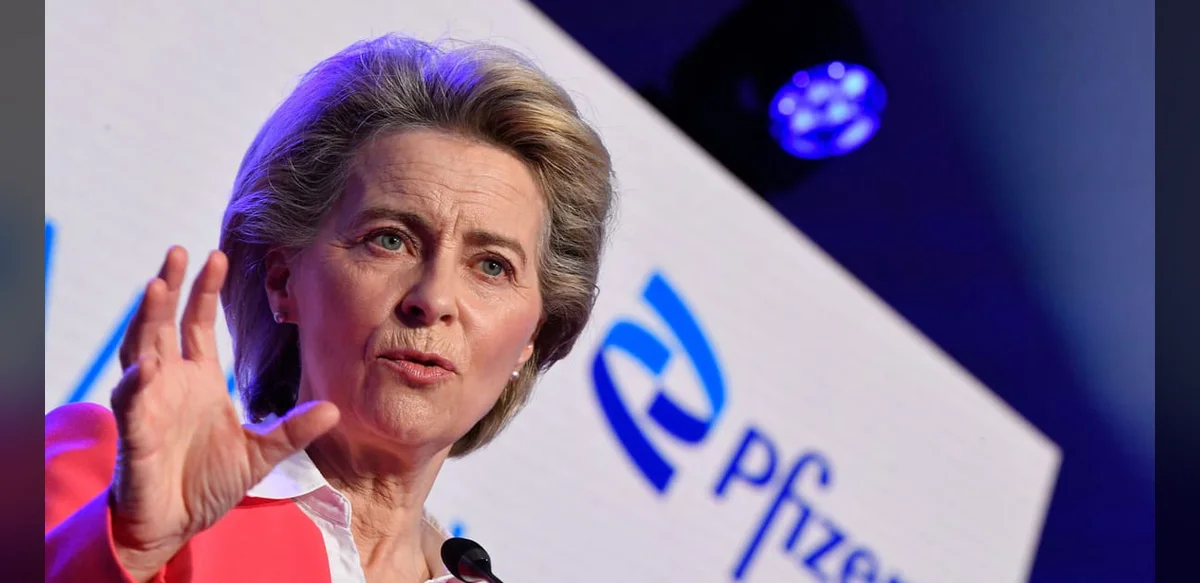
European Union authorities continue to examine the details surrounding the procurement of Covid-19 vaccines. The European Public Prosecutor’s Office maintains an active inquiry into the process led by the head of the European Commission. This investigation focuses on the direct discussions held with the chief executive of a major pharmaceutical company regarding large-scale supply agreements.
Sources close to the matter indicate that investigators have not yet reached significant conclusions. Questions remain about the transparency and decision-making steps taken during the negotiations. The probe has been ongoing for some time, yet visible advancements appear limited according to those familiar with its status.
The case, often referred to in public discourse as Pfizergate, centers on the terms and conditions of vaccine purchases made at the height of the pandemic. Officials emphasize that the inquiry seeks to clarify whether all procedures followed established regulations. No formal charges have been announced, and the Commission leadership has not provided additional public statements on the matter.
Stakeholders across member states have expressed interest in the outcome. Public health policy experts note that understanding these negotiations could influence future procurement strategies. The European Commission has previously defended its approach as necessary to secure supplies quickly during an unprecedented crisis.
Investigators are reportedly reviewing correspondence, meeting records, and related documentation. Progress has been described as incremental, with additional information still required from involved parties. The absence of rapid developments has led some observers to question the timeline for any potential resolution.
This situation highlights ongoing scrutiny of executive actions taken during the health emergency. Legal experts suggest that such probes serve to reinforce accountability in large-scale public contracts. The European Public Prosecutor’s Office operates independently to address potential irregularities involving EU funds.
Member states continue to monitor the situation closely. Any findings could have implications for how future international agreements are structured. At present, the focus remains on gathering facts rather than drawing conclusions.
The broader context involves the rapid rollout of vaccination programs across the continent. Ensuring that all processes met legal standards is viewed as essential for maintaining public trust. The current inquiry represents one element of that oversight mechanism.
As the investigation proceeds, further updates may emerge from official channels. Until then, the emphasis stays on completing a thorough review without undue delay. The matter underscores the complexities of managing global health responses at an institutional level.

