


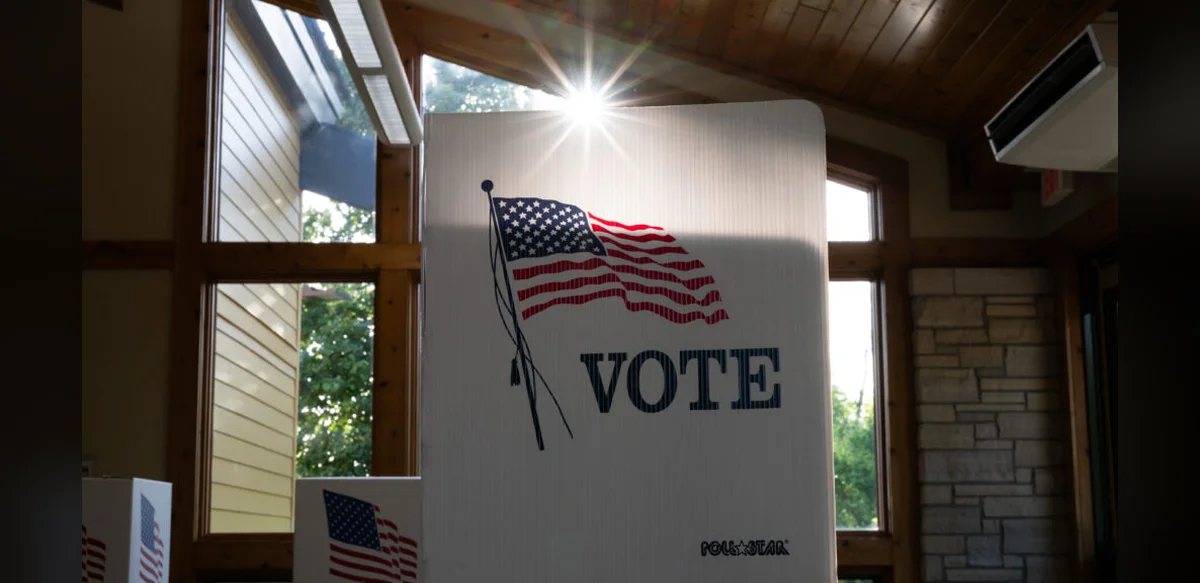
The midterm elections carry substantial consequences for the direction of healthcare in the United States regardless of specific outcomes on voting day. Analysts note that control of legislative bodies often determines priorities in areas such as insurance access, research funding, and regulatory oversight. Experts from various sectors have shared perspectives on possible developments that could unfold in the coming years.
Observers emphasize that changes in congressional majorities frequently lead to adjustments in major programs including those supporting broader coverage and public initiatives. Discussions among policymakers highlight the role of upcoming votes in shaping budgets for medical studies and community wellness efforts. Lobbyists representing different interests point to ongoing debates over drug costs and hospital operations as key areas likely to see renewed attention.
Several specialists in policy analysis suggest that whichever party gains influence may pursue distinct approaches to existing frameworks. One common theme involves potential modifications to laws governing individual market protections and subsidies. Others focus on how federal support for innovation in treatment options might evolve based on new leadership priorities.
Public health advocates stress the importance of sustained investment in prevention and response capabilities. They note that election results can influence allocations for programs addressing widespread conditions and emergency preparedness. Meanwhile, representatives from research institutions discuss the need for consistent backing of studies into chronic illnesses and emerging threats.
Industry stakeholders express varied expectations regarding oversight of pharmaceutical pricing and device approvals. Some anticipate efforts to expand transparency measures while others foresee pushes for streamlined processes. These differing views underscore the complex interplay between political shifts and sector operations.
Experts in mental health services underline the potential for new initiatives aimed at expanding access in underserved regions. They observe that legislative control often affects grant distributions and integration with primary care systems. Similar considerations apply to nutrition and weight related programs where funding levels may fluctuate.
Hospital administrators weigh in on revenue implications tied to reimbursement policies that could change with new laws. They highlight how adjustments in payment models influence operational planning and patient services. Palliative care providers also monitor developments that might alter support structures for end of life options.
Overall the consensus among commentators remains that healthcare will feature prominently in post election agendas. The precise nature of reforms will depend on negotiations and coalition building within the new legislative environment. Continued monitoring by independent analysts will provide further clarity as events progress.
Additional commentary addresses the intersection of global health trends with domestic decisions. While focused primarily on national matters some policies may have ripple effects on international collaborations in medical research. This interconnected aspect adds another layer to the stakes involved.
In summary the midterm process serves as a pivotal moment for determining future healthcare trajectories. Input from diverse voices helps illuminate the range of possibilities ahead without favoring any single path.

