


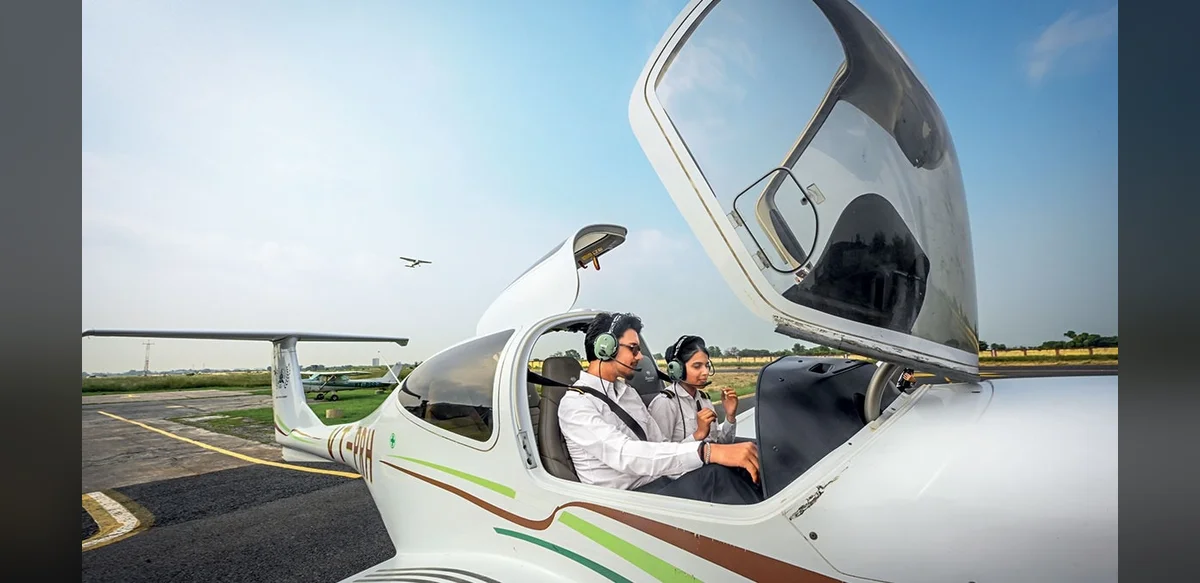
Pilot training programs across the country face ongoing challenges related to equipment maintenance, instructor qualifications and regulatory oversight. Recent discussions among aviation authorities highlight the need for updated curricula that align with international safety benchmarks. Many institutions operate with aging aircraft fleets that require significant investment to meet modern certification requirements.
Instructors play a central role in shaping future pilots. Ensuring they receive continuous professional development helps maintain high teaching standards. Some academies have introduced simulator-based modules to supplement actual flight hours, allowing trainees to practice emergency scenarios in controlled environments.
Regulatory bodies continue to review licensing procedures. Streamlined approval processes for new training centers could encourage investment while preserving safety protocols. Data from recent audits indicate variations in pass rates among different schools, prompting calls for standardized evaluation methods.
Infrastructure upgrades remain a priority. Facilities that incorporate advanced weather simulation tools and digital flight planning systems provide students with more comprehensive preparation. Partnerships between training providers and airlines may offer clearer pathways from classroom to cockpit.
Student feedback emphasizes the importance of balanced theory and practical sessions. Programs that integrate real-world case studies help build decision-making skills under pressure. Safety records show that well-structured training reduces incident rates during the early stages of a pilot’s career.
Government initiatives aim to expand access to quality training in smaller cities. This approach could address regional shortages while supporting overall growth in the aviation sector. Monitoring mechanisms are being strengthened to track compliance with established guidelines.
Industry observers note that transparent reporting of training outcomes benefits both aspiring pilots and employers. Consistent standards across institutions support a more reliable pipeline of qualified professionals. Continued dialogue between stakeholders is expected to shape future policy adjustments.
Investment in technology such as virtual reality tools for cockpit familiarization is gaining attention. These resources allow repeated practice without additional aircraft usage. Cost considerations remain relevant as schools balance affordability with quality.
Overall, efforts to refine pilot training focus on safety, accessibility and alignment with global practices. Ongoing assessments will determine the effectiveness of current reforms in producing competent aviators ready for commercial operations.


