


GUWAHATI
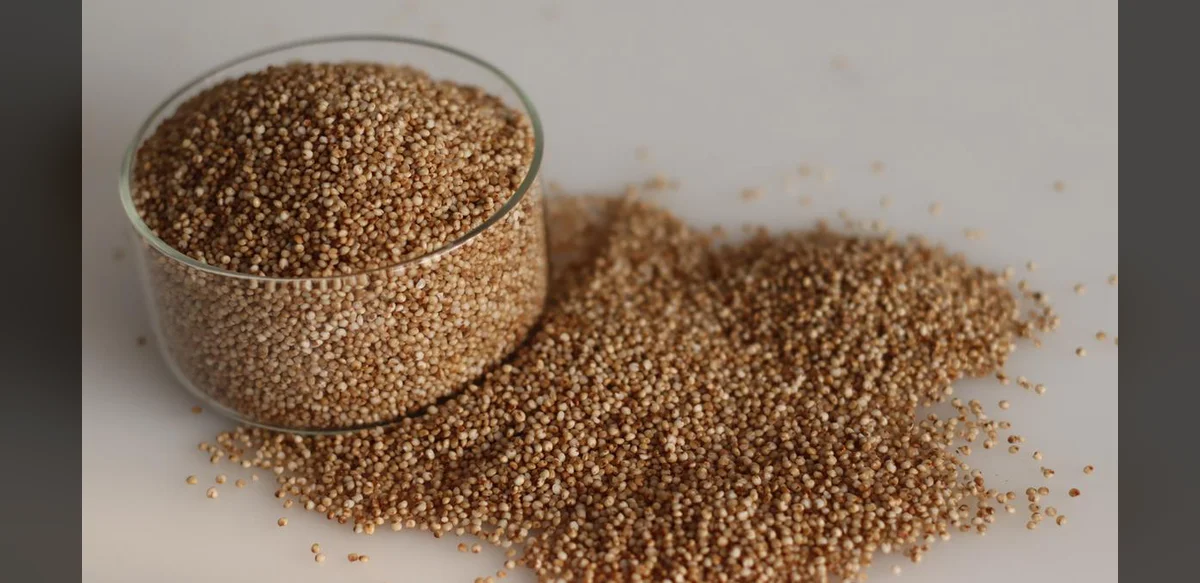
Scientists from India and the United States have provided support for the country’s millet initiative that began as an idea in 2007 and advanced ten years afterward. Health experts carried out a nine-month trial with young children in Mumbai’s crowded neighborhoods. They determined that pearl millet enriched with iron and zinc caused no noticeable negative effects on the developing digestive bacteria in these toddlers, suggesting a safer method to address low iron levels.
The digestive bacteria consist of vast numbers of useful and potentially damaging microbes such as bacteria, viruses and fungi that reside in the intestinal system, mainly the large intestine.
The project was directed by specialists at Cornell University’s Joan Klein Jacobs Centre for Precision Nutrition and Health. Partners in India included Shobha A. Udipi and Padmini Ghugre from SNDT Women’s University in Mumbai along with Ramesh D. Potdar from the Centre for the Study of Social Change, a local nonprofit group.
Results appeared in Nature Communications and are viewed by the team as among the earliest examinations of how enriched crops influence the human digestive bacteria. This points to a food-based method for tackling iron shortage in early childhood.
The SNDT team created the millet foods and recipes while distributing them across 20 locations with help from the nonprofit. Iron shortage impacts about one quarter of the global population and affects young children most severely by slowing brain growth and raising infection risk. While supplements are common, earlier work showed they can upset the balance of gut bacteria, increasing harmful organisms and leading to stomach problems.
A food-based method was tested to move beyond uniform supplement plans and allow more tailored nutrition efforts, according to the lead researcher. The team collaborated with growers to create a pearl millet type with nearly triple the usual iron and zinc content via standard breeding methods. The trial included 223 children aged 12 to 18 months in Mumbai, an area where iron shortage and anemia occur often.
Those eating the enriched millet displayed greater activity in bacteria pathways linked to combating infections and antioxidant processes that support a balanced gut. Indicators of harmful bacteria were reduced by the trial’s conclusion. Unlike supplements that need supply chains and regular use, enriched crops can be cultivated and consumed like regular ones, offering a lasting nutrition improvement, the researchers noted.
India accounts for over 40 percent of global millet output, covering types such as pearl millet, sorghum and finger millet.

