

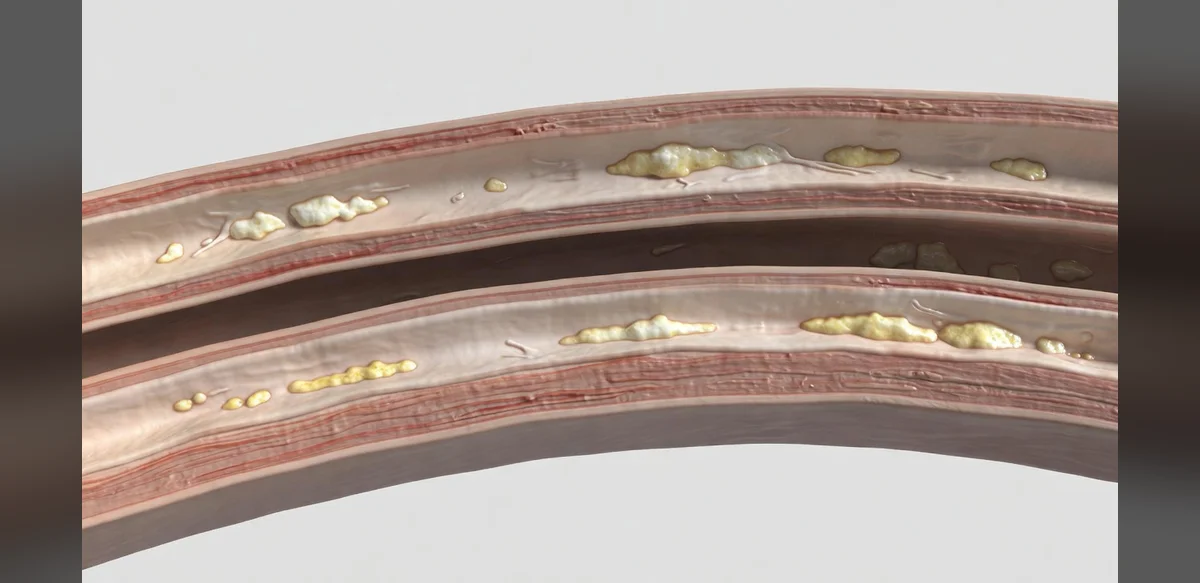
Atherosclerosis develops as fatty deposits accumulate inside artery walls over many years. This gradual process forms the foundation for most heart and blood vessel disorders. New findings from an international research effort indicate that these changes can start much earlier in life than many experts had assumed.
The investigation focused on young adults who showed no outward signs of illness. Researchers discovered that arterial plaque was present in roughly one out of every thirteen participants under the age of thirty. Such results suggest the condition occurs more frequently in this age group than earlier estimates had indicated.
Because the buildup remains hidden for a long time, routine checkups often miss it. The study highlights how imaging techniques can reveal these early alterations even when blood pressure and cholesterol readings appear normal. Detecting the issue sooner may allow for lifestyle adjustments that slow further progression.
Participants came from multiple countries, providing a broad view of the pattern across different populations. The consistency of the findings strengthens the conclusion that silent plaque formation is not limited to older adults or those with obvious risk factors. Instead, it can begin during the third decade of life or sooner.
Medical professionals note that the absence of symptoms does not guarantee healthy arteries. Subtle changes inside vessel walls can continue without causing chest pain or shortness of breath. Over time these changes raise the likelihood of heart attacks or strokes if left unaddressed.
Public health messages traditionally emphasize screening after middle age. The current data encourage consideration of earlier evaluation for selected individuals. Simple measures such as balanced nutrition, regular physical activity, and avoidance of tobacco remain central to reducing risk at any age.
Further analysis of the same dataset may clarify which factors accelerate plaque growth in young people. Genetic background, dietary patterns, and physical activity levels are among the variables under review. Understanding these influences could refine prevention strategies tailored to younger groups.
The research team stresses that their observations describe prevalence rather than immediate danger. Not every person with early plaque will develop clinical disease. Nevertheless, the higher-than-expected rate underscores the value of long-term vascular health awareness starting in early adulthood.
Health organizations may use these insights when updating guidelines on cardiovascular screening. Expanded use of non-invasive imaging in research settings has already improved detection rates. Translating such methods into everyday practice will require additional study and cost-effectiveness evaluations.
Overall, the international project adds to growing evidence that cardiovascular disease prevention should begin well before traditional risk thresholds are reached. By recognizing that artery changes can appear silently in one in thirteen adults before age thirty, clinicians and individuals alike gain an opportunity to act earlier and potentially reduce future complications.


