


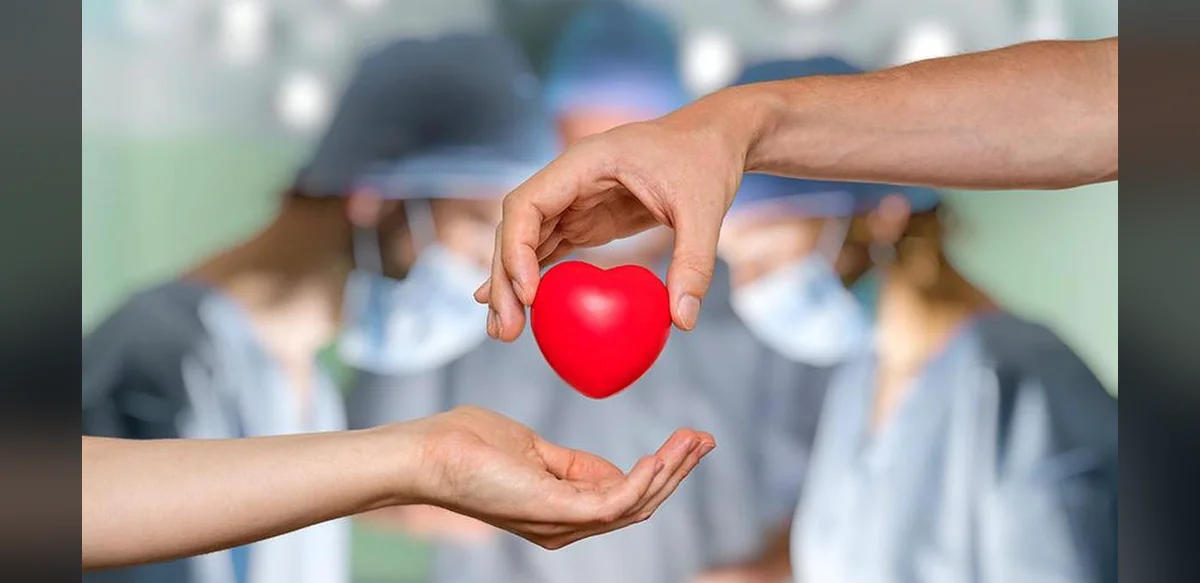
Tamil Nadu has progressed significantly in organ donation over 17 years, moving from seven deceased donor cases in the initial year to 266 in one recent year. This growth stems from changing public attitudes driven by ongoing awareness campaigns, efforts to foster confidence, and upgrades to the state’s transplant systems and facilities.
Data from the Transplant Authority of Tamil Nadu highlight the state’s achievements. The peak occurred in 2024 with 268 deceased donors, followed by 266 in 2025, including 211 men and 55 women. That year saw 1,476 organs used, comprising 856 major organs and 620 minor organs and tissues.
Experts discussed these developments on World Organ Donation Day, August 13, reflecting on progress, insights gained, and future directions.
J. Amalorpavanathan, a founder member secretary of the authority, noted that brain death concepts were poorly understood by healthcare workers in 2008. Early certifications occurred sporadically, often coordinated by the MOHAN Foundation. The state launched its Cadaver Transplant Programme after issuing 10 government orders. The first major case involved a 15-year-old accident victim whose family agreed to donation, helping launch the program in October 2008.
Initial visits to districts revealed hesitation among doctors, yet the public showed openness and sought clarifications. Gradual persuasion led to brain death certifications, yielding seven donations in year one and over 180 annually within eight years. Numbers declined during the pandemic but recovered afterward.
Sunil Shroff of the MOHAN Foundation observed major gains in awareness. Consent rates have risen, with 10 to 15 percent of families in states like Tamil Nadu and Telangana now volunteering. About 72 percent of national deceased donations occur in five states, including Tamil Nadu, where acceptance reaches 70 to 75 percent after initial counseling and rises further after follow-up.
Effective awareness in the state has come from publicizing successful cases, donor honor events, and official recognition rather than pledges alone. Since late 2023, over 800 state honors have been given to donor families.
Amalorpavanathan credited public, professional, and government collaboration for the gains, along with strong infrastructure. Challenges remain, including high road accident fatalities, and he advocated for safer roads, exploring donation after circulatory death, and expanding swap transplants in living donor cases.

