


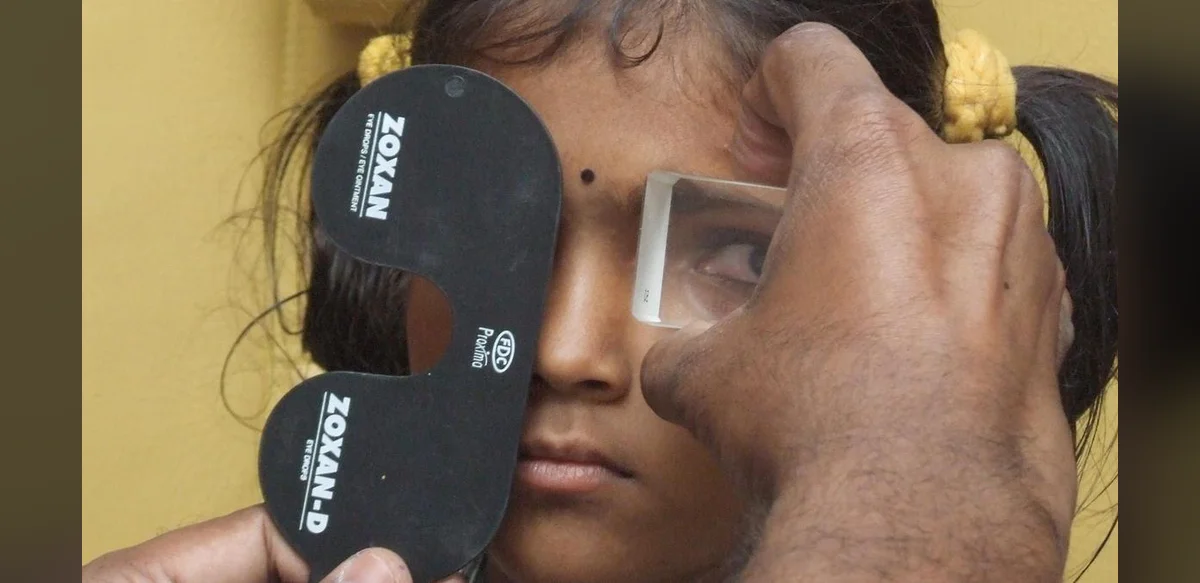
Squint, medically known as strabismus, is a condition in which the two eyes do not align properly. It can affect children and adults and, when it develops during childhood, can interfere with the normal development of vision.
The misalignment occurs when the muscles controlling eye movement fail to work in coordination. One eye may turn inward, outward, upward or downward while the other remains focused. This lack of alignment prevents the brain from combining the images from both eyes into a single clear picture.
Early detection remains important because the visual system in young children is still developing. If left untreated, the brain may begin to ignore the input from the misaligned eye, leading to reduced vision in that eye over time. Regular vision screenings during childhood help identify the condition before permanent effects occur.
Several factors can contribute to the development of squint. In some cases it is present from birth due to imbalances in the eye muscles. Other instances arise from refractive errors such as farsightedness, neurological conditions or injuries. Family history can also play a role, increasing the likelihood that a child may develop the condition.
Symptoms often include double vision, eye strain or difficulty with depth perception. Children may tilt their heads or close one eye to compensate for the misalignment. Adults might notice similar visual disturbances along with cosmetic concerns about eye position.
Diagnosis typically involves a comprehensive eye examination. Specialists assess eye movement, alignment and visual acuity. Additional tests may measure how well the eyes work together and determine whether any underlying refractive error requires correction.
Treatment approaches vary depending on the severity and cause. Corrective lenses can address refractive errors that contribute to the misalignment. In other situations, eye exercises or prism glasses help improve coordination. When muscle imbalance is significant, surgical adjustment of the eye muscles may be recommended to achieve better alignment.
Ongoing monitoring is essential after initial treatment. Follow-up visits allow specialists to track progress and adjust interventions as needed. Early intervention generally leads to better visual outcomes and reduces the risk of long-term complications.
Public awareness of squint eye supports timely medical attention. Parents and caregivers are encouraged to observe children for signs of eye misalignment during routine activities. Professional evaluation provides accurate information and appropriate care pathways.
Research continues to refine diagnostic techniques and treatment methods. Advances in imaging and surgical procedures offer improved precision for cases requiring intervention. These developments contribute to more effective management across different age groups.
Overall, understanding the nature of strabismus helps individuals and families make informed decisions about vision health. Consistent attention to eye alignment supports normal visual development and quality of life.

