

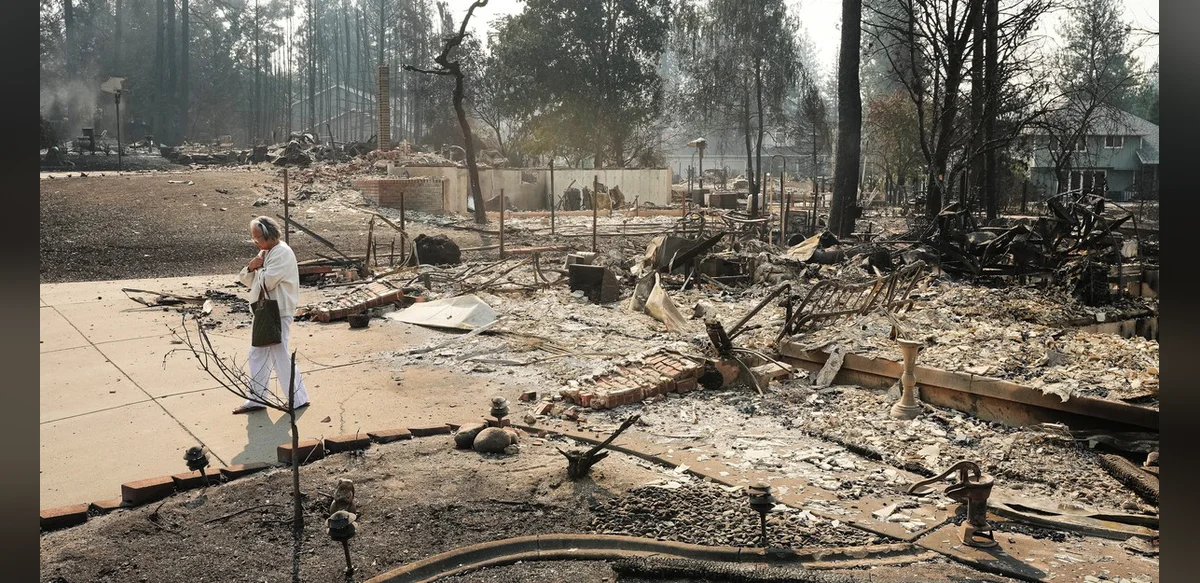
Each summer, residents across the American West prepare for the possibility of sudden evacuation due to wildfires. The process has become a recurring part of life in many rural and suburban areas where dry conditions and high winds increase fire risk. Local authorities issue warnings through multiple channels, including mobile alerts and community sirens, allowing people time to gather essentials and leave safely.
Preparation often begins well before any immediate threat. Households maintain go-bags containing important documents, medications, and basic supplies. Families review exit routes in advance and identify meeting points outside high-risk zones. These steps help reduce confusion when an order to evacuate is given.
When fires approach, traffic on main roads can become heavy as multiple neighborhoods move at once. Officials direct vehicles toward designated safe areas and set up temporary shelters equipped with food, water, and medical support. Volunteers and emergency workers coordinate to assist those with limited mobility or transportation needs.
The experience brings both practical challenges and emotional strain. Leaving behind homes and belongings creates uncertainty that lingers even after the immediate danger passes. Many return to assess damage only after officials confirm it is safe to do so. Rebuilding efforts can take months or longer depending on the scale of destruction.
Over time, communities have refined their response plans based on lessons from previous seasons. Improved mapping tools and better communication systems allow for more precise evacuation zones. Regular drills help residents become familiar with procedures so that actions feel more automatic during actual events.
Public health considerations also play a role. Smoke exposure can affect breathing and overall well-being, prompting recommendations to stay indoors or use protective masks when air quality declines. Shelters provide spaces where people can rest and receive basic care while waiting for conditions to improve.
The cycle of preparation, evacuation, and recovery repeats annually in fire-prone regions. While no two seasons are identical, the pattern of heightened alert during summer months remains consistent. Residents continue to adapt their routines around the possibility of displacement, balancing daily life with the need for readiness.
Local governments allocate resources each year to maintain equipment, train personnel, and update emergency plans. Partnerships with neighboring areas allow for shared resources when one region faces greater pressure than others. These collaborative efforts aim to limit harm and speed recovery once fires are contained.
Information about current fire activity and evacuation status is shared through official websites and local broadcasts. Residents are encouraged to follow guidance from trained responders rather than relying on unofficial reports. Clear instructions help prevent unnecessary travel that could complicate response operations.
In the aftermath, discussions often focus on ways to strengthen future preparedness. Community meetings provide opportunities to share experiences and suggest improvements. The goal remains consistent: reduce risk and support orderly movement when evacuation becomes necessary.
The American West continues to demonstrate established practices for managing wildfire evacuations. Through repeated exposure, many areas have developed systems that prioritize safety and coordination during these challenging periods.


