


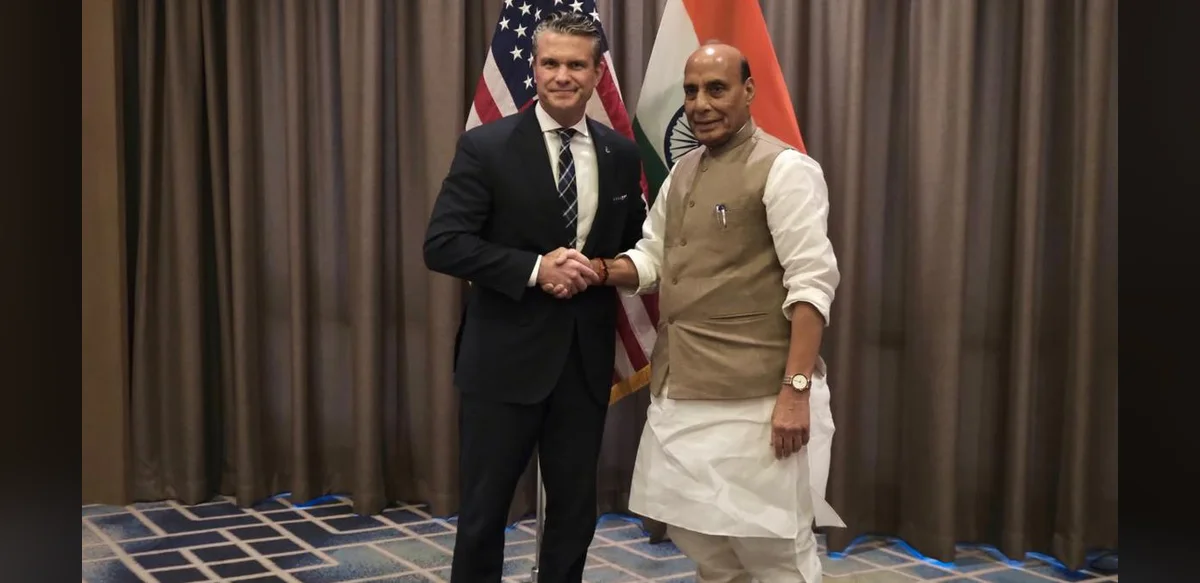
Senior defence officials from India and the United States recently convened to assess advancements under a bilateral framework agreement signed in October of the previous year. The pact establishes a structured approach aimed at strengthening cooperation across multiple areas of military engagement between the two nations.
The agreement outlines specific objectives intended to enhance interoperability, information sharing, and joint operational capabilities. During the review session, participants examined the implementation status of various initiatives launched since the document was finalized. Discussions focused on timelines, resource allocation, and measurable outcomes achieved to date.
Both sides reaffirmed their commitment to the roadmap set forth in the pact. Emphasis was placed on maintaining steady progress through regular consultations and coordinated efforts. The framework is designed to support long-term strategic alignment while respecting each country’s independent defence priorities.
The meeting provided an opportunity to identify areas where additional attention may be required. Officials noted that steady advancement depends on consistent follow-up and transparent communication channels. Progress reports were shared to ensure mutual understanding of completed tasks and pending actions.
Defence ties between India and the United States have evolved over several decades through multiple agreements and exercises. The current framework builds upon earlier arrangements by introducing clearer milestones and accountability mechanisms. This structured approach is expected to facilitate smoother collaboration on shared security interests.
The review process underscores the importance of periodic evaluation in international defence partnerships. By examining achievements against established goals, both countries can adjust strategies as needed to address emerging challenges. Such assessments help sustain momentum and prevent stagnation in cooperative programs.
Participants highlighted the role of technology transfer, training programs, and logistical support in realizing the pact’s objectives. These elements are viewed as foundational to improving operational readiness and mutual understanding between armed forces. Continued dialogue is expected to refine these aspects further.
The session concluded with agreement on next steps for ongoing projects. Future meetings are planned to maintain oversight and ensure alignment with the original vision. Both delegations expressed satisfaction with the level of engagement demonstrated thus far.
Overall, the review reflects a methodical effort to translate the signed agreement into tangible results. By focusing on practical implementation, the two nations aim to strengthen their defence relationship in a measured and sustainable manner. The process demonstrates the value of structured frameworks in managing complex bilateral security cooperation.

