


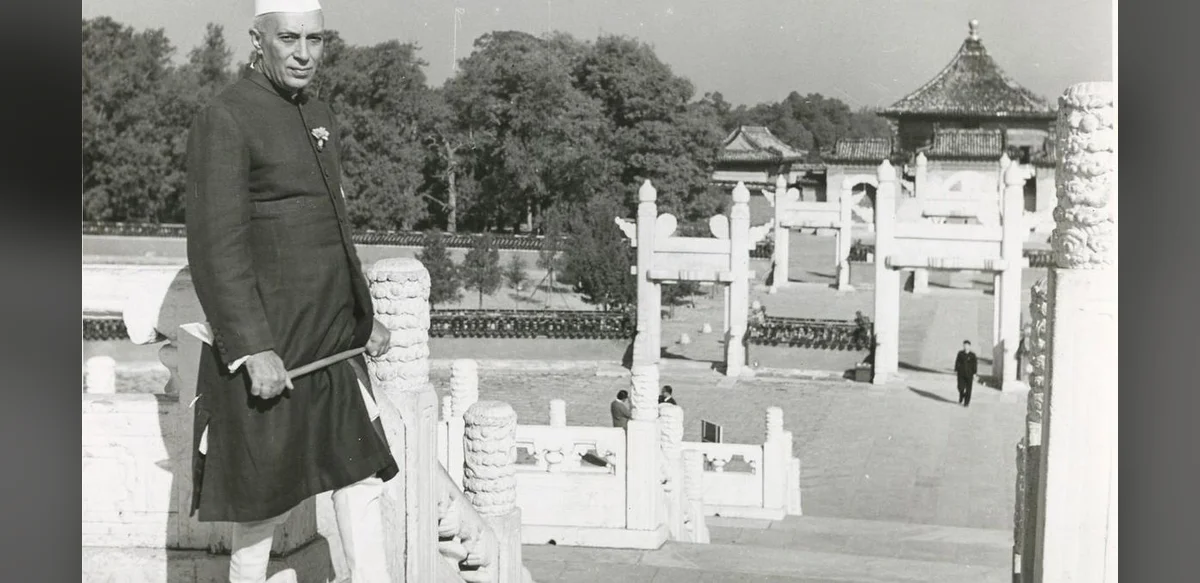
Critics have long sought to depict Jawaharlal Nehru as overly optimistic and uninformed regarding relations with China. This portrayal has persisted across various commentaries and analyses over the decades. However, accounts from the intelligence leadership during his tenure as prime minister present a contrasting perspective that merits closer attention.
The memoirs authored by Bhola Nath Mullik, who held the position of intelligence chief throughout nearly all of Nehru’s time in office, offer detailed observations on the matter. These writings indicate that the prime minister maintained a more measured and informed stance than commonly suggested. Rather than displaying naivety, the records point to ongoing assessments and considerations that shaped policy decisions.
Such documentation serves as an important counterpoint to prevailing narratives. It highlights how intelligence inputs were integrated into the decision-making process at the highest levels. The continuity of service by the intelligence head allowed for consistent tracking of developments and internal evaluations.
Readers of these memoirs encounter descriptions of routine briefings and strategic discussions. These elements underscore a framework where information from multiple sources informed responses to regional dynamics. The emphasis remains on factual reporting rather than unsubstantiated assumptions.
In the broader context of historical review, this material encourages a balanced examination of leadership approaches during that era. It avoids simplistic characterizations and instead directs focus toward the complexities involved in governance and external affairs.
Further exploration of these records reveals patterns of vigilance and adaptation. The intelligence chief’s proximity to the prime minister facilitated direct communication channels. This setup supported timely updates on evolving situations without reliance on external interpretations.
Overall, the available accounts contribute to a more nuanced understanding of the period. They demonstrate that policy formation drew upon professional assessments rather than isolated viewpoints. This perspective invites renewed interest in primary sources for accurate historical context.
Additional reflections in the memoirs touch upon the challenges of maintaining awareness amid shifting geopolitical landscapes. The sustained role of the intelligence apparatus under one administration provided stability in monitoring key areas. Such continuity proved valuable in compiling comprehensive reports.
The contrast with critical portrayals becomes evident through these firsthand insights. They illustrate a commitment to evidence-based considerations in addressing bilateral matters. This approach aligns with standard practices of informed leadership during the mid-twentieth century.
In summary, the intelligence memoirs stand as a significant resource for reevaluating established opinions. They affirm the presence of deliberate and attentive strategies in handling relations with neighboring countries. Continued study of such documents can enrich public discourse on past administrations.

