


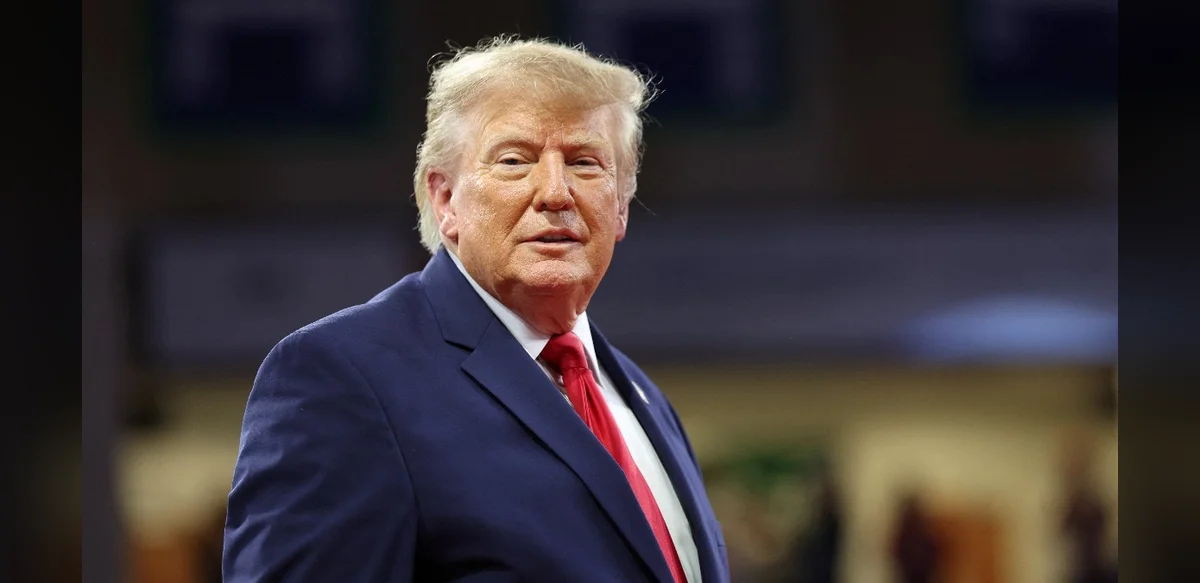
Senior United States officials have indicated that further measures could be considered in response to recent statements from Iranian authorities regarding potential disruptions to undersea communication lines in the Gulf region. The remarks come amid heightened diplomatic exchanges between the two nations, with both sides exchanging warnings about possible actions that could affect critical infrastructure.
According to reports, the American leader referenced a prior operation when discussing options available to protect international interests in the area. The comments were made during a public address and have drawn attention from governments and analysts monitoring developments in the Middle East. Officials emphasized that any decisions would be guided by assessments of threats to global connectivity and security.
Iranian representatives have separately stated that attacks on internet cables passing through the Gulf could be contemplated if tensions escalate. Such cables form a vital part of worldwide data transmission networks, supporting commerce, communications, and government operations across multiple continents. Disruptions to these lines have historically led to widespread outages affecting businesses and individuals.
International observers note that the exchange reflects ongoing friction over regional influence and strategic assets. Several countries have urged restraint and called for dialogue to prevent any actions that might destabilize the area further. Maritime traffic in the Gulf remains under close watch by naval forces from various nations.
Experts in telecommunications security explain that undersea cables are engineered with redundancy, yet targeted interference could still cause significant delays in data flow. Repair operations for damaged cables often require specialized vessels and can take weeks or months depending on location and conditions. The potential economic impact of prolonged outages has prompted contingency planning by major technology and finance companies.
Diplomatic channels remain active as envoys from neutral states seek to mediate and clarify intentions. Past incidents involving infrastructure threats have sometimes been resolved through back-channel communications rather than direct confrontation. Analysts suggest that public statements may serve both as deterrents and as signals of resolve.
The situation continues to evolve, with updates expected from official sources in the coming days. Governments worldwide are monitoring developments closely to assess any implications for their own interests and citizens. No immediate changes to travel advisories or commercial operations have been announced, though contingency measures are reportedly under review.
Regional stability remains a priority for all parties involved, as the Gulf serves as a key corridor for energy exports and trade routes. Any escalation could have ripple effects beyond the immediate area, influencing global markets and supply chains. Continued vigilance and measured responses are seen as essential to avoiding unintended consequences.

