


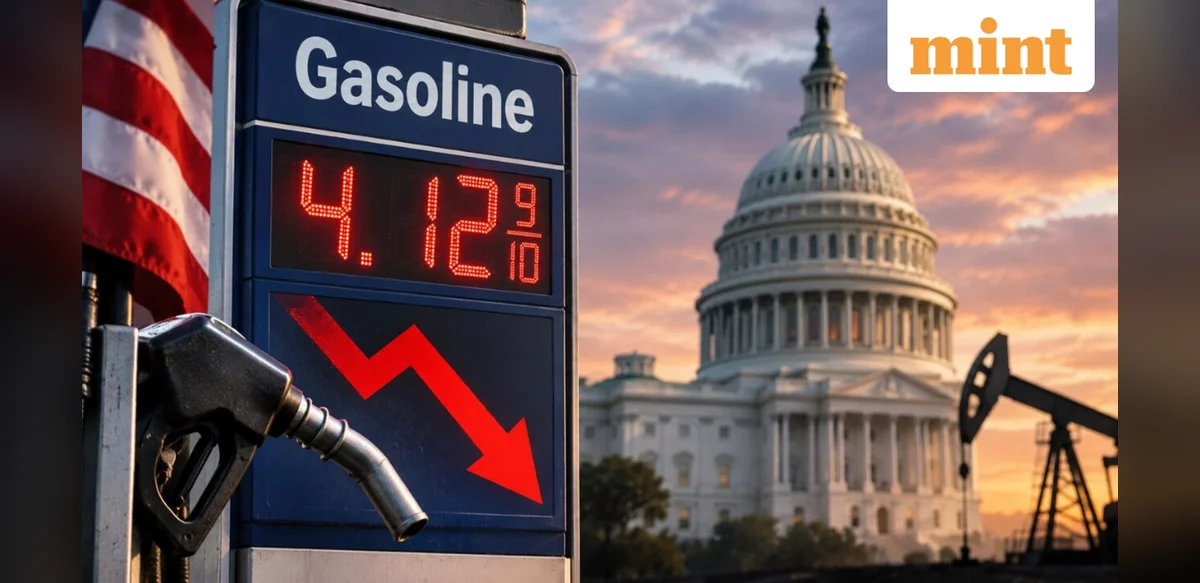
Following the recent midterm elections in the United States, observers are examining whether shifts in political power might influence energy markets and consumer fuel expenses. Crude oil values declined noticeably in the days after the voting concluded, prompting speculation that tensions involving Iran could lessen over time. Market participants appear to anticipate reduced conflict risks, which has contributed to lower trading prices for petroleum.
Analysts note that such movements in commodity values often translate into adjustments at the pump for motorists across the country. If the downward trend in oil persists, it could lead to modest reductions in gasoline costs in the coming weeks. However, the extent of any relief remains uncertain and depends on multiple global factors beyond domestic political developments.
The election results have introduced new dynamics into discussions about foreign policy approaches. Some commentators suggest that altered congressional balances might encourage adjustments in strategies related to international disputes. This could potentially support efforts toward de-escalation in regions experiencing heightened friction. Sustained lower oil prices would require consistent signals of stability rather than temporary fluctuations.
Consumer advocates emphasize the importance of monitoring how quickly any market changes reach retail levels. Historical patterns indicate that drops in wholesale crude do not always produce immediate or proportional savings for drivers. Regional variations in refining capacity, distribution networks, and tax structures can influence final pump prices differently across states.
Industry reports highlight ongoing volatility in energy sectors influenced by geopolitical developments. While recent trading activity reflects optimism about reduced risks, experts caution against assuming rapid resolutions. Prolonged negotiations or unexpected events could reverse current price trends at any moment.
Public interest in these matters stems from the direct impact on household budgets. Families planning travel or managing daily commutes watch fuel cost indicators closely. Any meaningful easing would provide welcome breathing room amid broader economic pressures.
Further analysis from financial institutions points to interconnected global supply chains that affect oil availability. Production decisions by major exporters, combined with demand patterns in key economies, play significant roles alongside political events. The midterm outcomes add one layer to this complex picture without guaranteeing specific outcomes.
Observers continue to track statements from elected officials regarding energy and foreign policy priorities. Clear indications of intent to pursue diplomatic channels could reinforce market confidence in lower price environments. Conversely, mixed signals might sustain uncertainty and limit the scope of declines.
In summary, while initial market reactions suggest possible benefits for consumers, the path to lasting reductions in gasoline expenses involves many variables. Continued observation of both political and economic indicators will be necessary to assess long-term effects.

