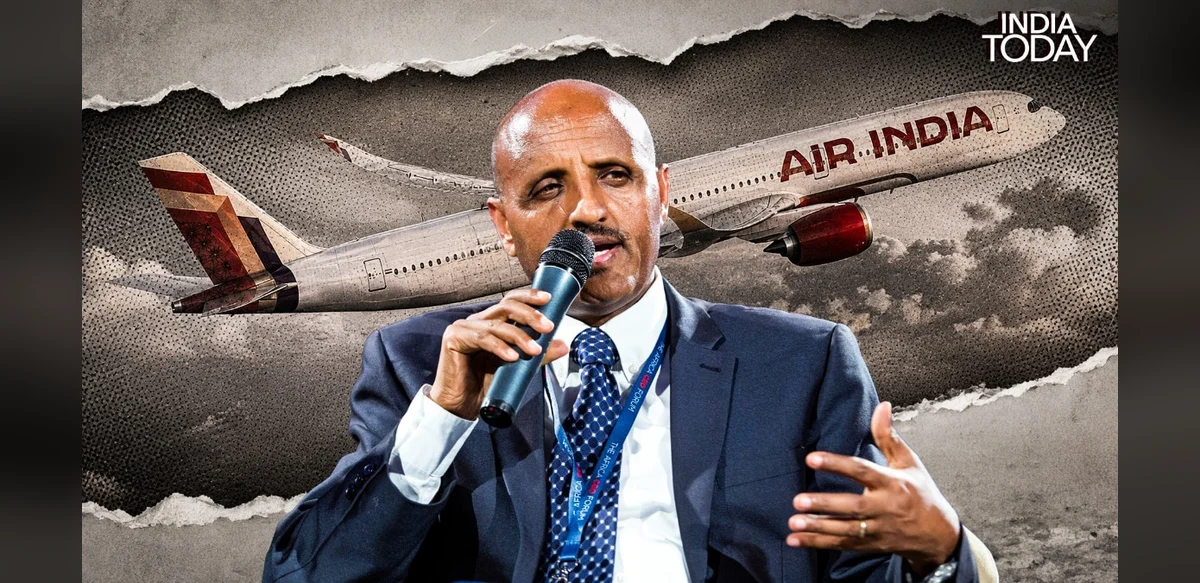
A mid-air turbulence event, a pilot psychoactive substance screening and a regulatory inquiry have marked the first days for the new Air India chief executive, creating a difficult transition period. The Ethiopian aviation leader took over after the previous CEO departed in April. He assumes leadership of an airline under regulatory oversight, facing operational issues and financial strain while managing consequences from the previous year’s fatal Ahmedabad accident. The recent event occurred on flight AI2379, an Airbus A320 travelling from Phuket to Delhi on August 4. The plane lost about 300 feet of altitude during cruise before stabilising and completing the flight with a normal landing at Delhi airport. There were 137 passengers, including three infants, and eight crew members aboard. Thirteen passengers and four cabin crew sustained injuries and received hospital treatment; the injured crew members had spinal and neck trauma. The civil aviation regulator stated that both pilots underwent required psychoactive substance testing after the event. The pilot-in-command’s initial screening produced a result needing further laboratory confirmation. Samples were sent to an approved facility and results remain pending. Both pilots have been removed from duty pending completion of the process. Air India indicated that post-flight screening followed standard procedures but said the carrier has not received the outcomes and cannot comment on findings. The airline noted it performs routine crew testing in line with regulations regardless of specific incidents. The regulator classified the turbulence event as serious and directed the Aircraft Accident Investigation Bureau to examine it. Flight recorders have been secured and the aircraft moved to a hangar for review. Air India described the occurrence as momentary during cruise, with the flight continuing normally to a safe landing, and confirmed cooperation with investigators and notification to the manufacturer. The new chief executive inherits responsibility for an airline operating 198 aircraft and nearly 5,000 weekly flights serving 91 destinations. The carrier continues its transformation four years after the Tata Group assumed control. At the time of the prior CEO’s departure, the Tata Sons chairman described the initial stabilisation phase as complete and the next stage as focused on execution and growth. The airline posted a record loss of nearly 2.3 billion US dollars last month. The chairman indicated a full turnaround may require up to ten years. Nearly one-third of international operations have been reduced. Additional operational difficulties include a March Delhi-Vancouver flight that returned after nearly eight hours due to lack of Canadian airspace clearance. The continuing effects of last year’s fatal Ahmedabad-London accident, which claimed 260 lives, represent a significant ongoing challenge. The final accident report is expected in October. Aviation specialists cited the new leader’s prior experience managing crises at Ethiopian Airlines, where fleet size nearly tripled and revenue more than quadrupled during his tenure, as grounds for cautious optimism.