


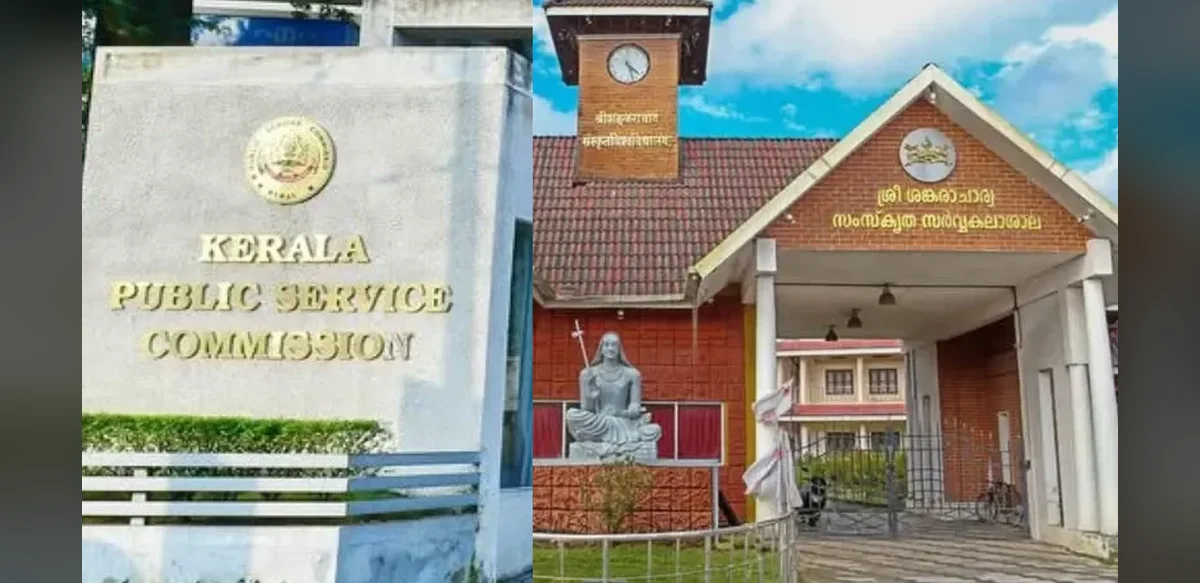
Reports have emerged regarding the placement of former students from Sree Sankaracharya University of Sanskrit in Kerala Public Service Commission rank lists for teaching positions. The individuals in question are described as former PhD scholars from the institution located near Kochi. These placements have prompted questions about the processes involved in compiling the lists for higher secondary and high school teacher appointments.
The matter came to attention during routine data collection for National Assessment and Accreditation Council accreditation at the university. Department heads were tasked with gathering information on the employment outcomes of former students. This review revealed that nineteen graduates from the Sanskrit literature department appeared on the relevant rank lists. Following the emergence of this information, other departments at the university have reportedly delayed or withheld similar placement details.
Observers have noted that candidates with strong academic records from other institutions, including Kerala University, Calicut University and Mahatma Gandhi University, have not secured positions on the same lists. Similar patterns have been mentioned in connection with former students from the Kerala University of Fisheries and Ocean Studies. The situation has led to discussions about consistency in the selection procedures across different universities in the state.
Allegations have been raised concerning the role of a Public Service Commission member affiliated with a youth organisation linked to a major political party. Critics suggest that this appointment may have influenced the inclusion of certain candidates. It has also been claimed that several academics involved in preparing examination questions for the commission have associations with a teachers organisation aligned with left-leaning groups at the Sanskrit university.
A campaign group focused on university affairs has called for an immediate halt to the contested appointments. The group has requested a formal inquiry into the conduct of the commission member in question. Complaints outlining these concerns have reportedly been submitted to the state governor, the chief minister and the home minister.
This development occurs against a backdrop of earlier administrative reviews at the university. A government audit conducted in November 2026 identified multiple irregularities. These included instances where nearly ninety percent of teaching staff had not recorded biometric attendance over extended periods. The audit also flagged forty-six professor appointments made without required government approval.
Additional findings pointed to nineteen teacher appointments from 2021 that did not adhere to reservation roster requirements. The report noted irregular transfers of vacancies between departments and resulting increases in financial obligations for the institution. One of the appointments referenced in the audit involved the spouse of a former minister from the Communist Party of India Marxist.
The audit findings have contributed to broader discussions about administrative practices and appointment processes at the university. Previous reports have highlighted concerns over political involvement in university governance and the influence of student and youth organisations affiliated with political parties.
Stakeholders have emphasised the importance of maintaining merit-based selection in public recruitment. The current controversy has prompted calls for greater transparency in how rank lists are prepared and how appointments are finalised. University officials have not issued detailed public responses beyond acknowledging the accreditation-related data collection exercise.
The episode illustrates ongoing debates in Kerala about the intersection of political affiliations and public employment opportunities. As the matter continues to receive attention, further scrutiny of the Public Service Commission procedures and university records is anticipated. Observers expect that any formal inquiry would examine both the specific allegations and the wider context of recruitment practices in the state education sector.

