


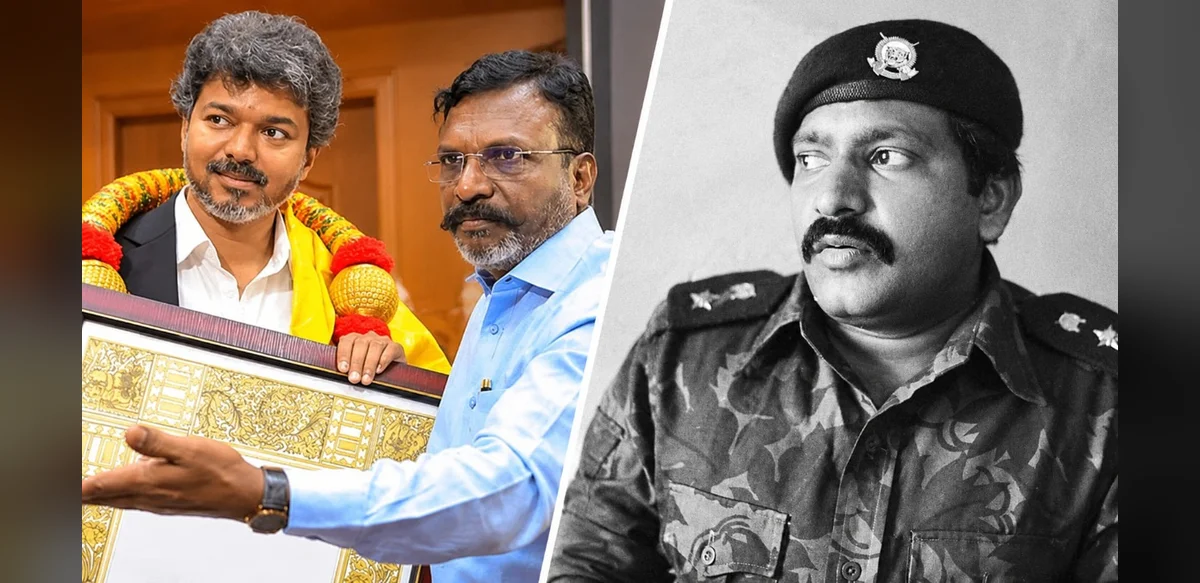
A political figure allied with the Chief Minister of Tamil Nadu recently traveled to Sri Lanka to visit the former residence of a prominent leader associated with the Liberation Tigers of Tamil Eelam. The visit has drawn attention from various Indian political groups and sparked commentary across party lines.
The individual in question holds a leadership position in a regional party that maintains an alliance with the state government. Reports indicate the trip occurred without prior public announcement and focused on the site linked to the late LTTE chief. Observers note that such visits can carry symbolic weight in Tamil Nadu politics given historical connections to events in neighboring Sri Lanka.
The Bharatiya Janata Party responded promptly with criticism. Party spokespersons described the action as inappropriate and potentially insensitive to national sentiments regarding past security concerns. They called for clarification from the state leadership on whether the visit aligned with broader diplomatic considerations.
In contrast, the Indian National Congress has not issued any official statement on the matter. Party representatives have remained silent despite inquiries from media outlets. This absence of comment has itself become a point of discussion among political analysts who track alliances in southern India.
The Chief Minister has not yet addressed the development directly in public forums. Sources close to the state government suggest internal discussions may be underway to assess the implications for ongoing coalition arrangements. The ally’s party has defended the visit as a personal gesture without official endorsement from the administration.
Regional media coverage has highlighted the differing reactions as reflective of broader patterns in Tamil Nadu politics. Parties often navigate complex relationships involving historical Tamil issues, national security perspectives, and electoral partnerships. The current episode adds another layer to these dynamics ahead of upcoming state-level engagements.
Sri Lankan authorities have not commented on the visit. The location itself remains a point of occasional interest for individuals connected to Tamil political movements. Travel between southern India and northern Sri Lanka continues for various purposes including cultural exchanges and family connections.
Political observers emphasize that reactions from national parties such as the BJP reflect ongoing sensitivities around cross-border political gestures. The Congress party’s restraint may stem from its own coalition considerations in the region. Both approaches illustrate how state and national level actors balance local alliances with wider policy positions.
No official diplomatic repercussions have been reported following the event. The episode remains primarily a matter of domestic political discourse within India. Further statements from involved parties could emerge as the situation develops in the coming days.
This sequence of events underscores the intricate nature of alliances in Indian state politics where regional leaders maintain ties that sometimes intersect with sensitive historical topics. The measured or vocal responses from different groups continue to shape public perception and future political calculations.

