


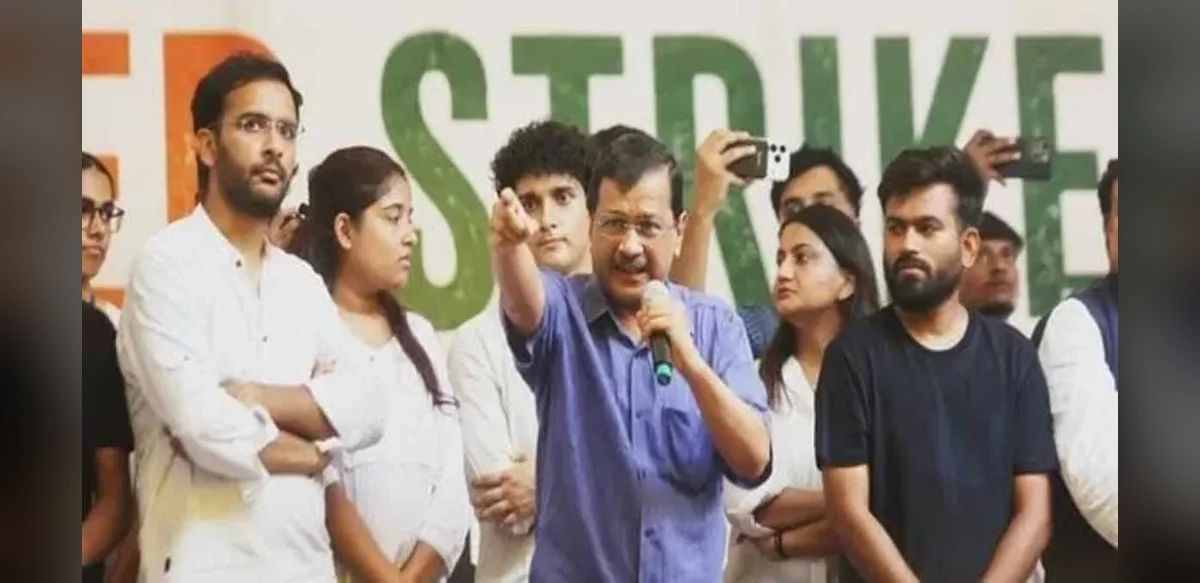
New Delhi: Arvind Kejriwal and the Aam Aadmi Party entered Indian politics with pledges of transparent administration and opposition to corruption. They presented themselves as an alternative to established political practices. Over subsequent years, observers have noted several changes in their stated positions on various issues.
One area involves electoral rolls. In 2015, Kejriwal called for measures to remove duplicate entries, stating that such steps would support fair voting processes. By 2026, the party sought reversal of recent updates to voter lists and restoration of earlier versions. This change prompted questions regarding consistency in approach to election integrity.
Regarding alliances, early statements emphasized independence from major parties including Congress and the Bharatiya Janata Party. Kejriwal indicated that the party aimed to challenge established political families. In practice, support was accepted from Congress to form a government in Delhi in 2013. Later efforts included outreach for partnerships in other regions.
On education, public statements highlighted improvements in government schools in Punjab, with claims that they outperformed certain private options. In 2026, an AAP legislator raised concerns about staffing shortages in these schools. The party responded by suspending the member, citing internal discipline.
Initial public comments during the anti-corruption movement from 2011 to 2012 included assertions of no interest in forming a party or contesting elections. Within a short period, the Aam Aadmi Party was established, and Kejriwal participated in elections, later serving as Chief Minister of Delhi.
During the COVID-19 period in 2021, statements supported state-level authority to arrange vaccine supplies directly. Shortly afterward, when challenges arose in implementation, calls shifted toward central coordination for procurement from international sources.
Relations with Anna Hazare formed another point of discussion. In 2012, pledges were made to follow guidance from Hazare. When Hazare opposed entry into electoral politics and withdrew from the group, Kejriwal proceeded with party formation and campaigns.
Prior to assuming office, emphasis was placed on avoiding symbols of official privilege, such as large residences or dedicated vehicles. After taking the role of Chief Minister in late 2013, requests were made for combined government accommodations. Ministers initially used public transport but later adopted official vehicles following a confidence vote.
Comments on endorsements from religious figures also showed variation. In 2015, an offer from a prominent imam was declined publicly. Subsequent outreach included engagement with various community leaders across different occasions.
These examples illustrate patterns noted by analysts regarding adjustments in policy emphasis and public messaging by the party and its leadership between 2011 and 2026. The shifts occurred across topics including governance standards, partnerships, and crisis response. Documentation of such changes relies on public records and statements from the periods involved. Further examination of additional instances continues in ongoing reviews of political developments in the region.

