


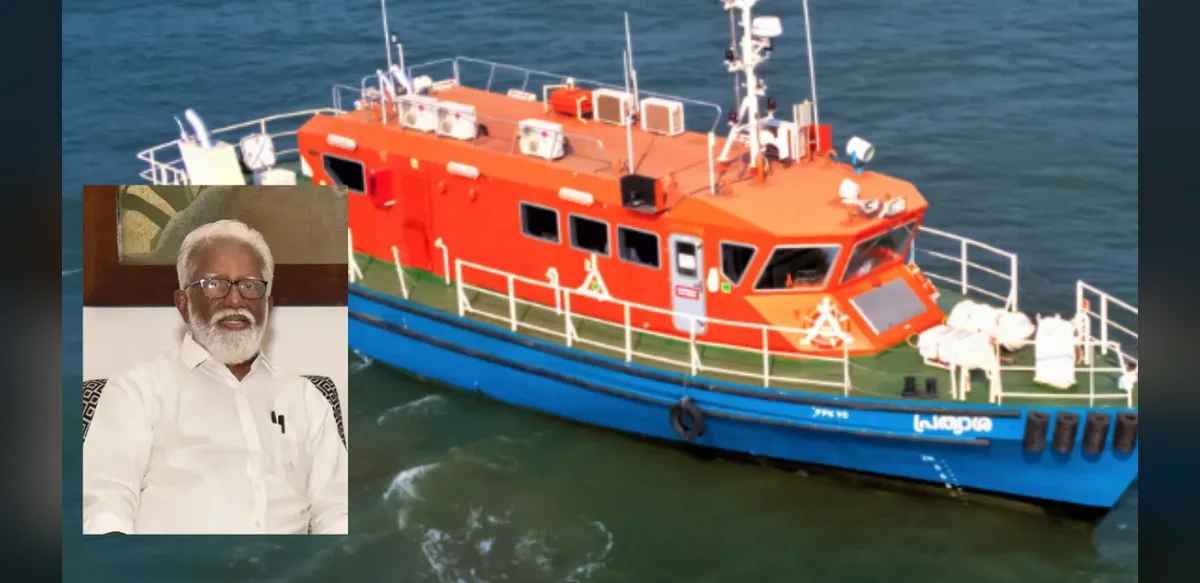
A senior Bharatiya Janata Party figure has raised concerns about the performance of a marine ambulance service introduced by the Kerala government to assist fishermen during emergencies at sea. The project, valued at 18.24 crore rupees, was launched following the devastating Ockhi cyclone in 2017 that claimed numerous lives along the coast. The initiative aimed to provide rapid response capabilities for rescue operations but has reportedly encountered multiple operational difficulties since its rollout.
The three vessels constructed under the scheme were positioned at key harbors including Vizhinjam, Vypin and Beypore. Funding came from a combination of state relief funds, plan allocations and corporate social responsibility contributions. Despite the substantial investment, questions have emerged regarding the vessels’ readiness, speed and technical equipment necessary for effective maritime interventions.
One vessel has remained inactive at its berth due to mechanical issues with its engine. Reports also indicate problems with systems on another unit, particularly those related to navigation and communication tools essential for locating distressed individuals quickly. The leader emphasized that without adequate speed and reliable instruments such as radar and global positioning technology, the boats cannot fulfill their core purpose of timely assistance during accidents.
Additional points of contention include whether the vessels possess required certifications from recognized maritime authorities and whether regular upkeep has been maintained. The inquiry request extends to reviewing expenditures on personnel even when boats are not operational. The call for an independent expert review seeks to examine design choices, engine selection, safety features and overall value derived from the allocated budget.
The same statement highlighted broader shortcomings in the state’s marine enforcement framework. Older patrol methods relying on private fishing craft were described as inadequate, with a recommendation for modern vessels to strengthen coastal monitoring. Over recent years multiple incidents at sea have resulted in loss of life and missing persons, underscoring the need for improved safety measures.
The leader urged authorities to implement a comprehensive coastal security approach that addresses gaps in emergency response across the entire shoreline. Emphasis was placed on ensuring that decisions regarding maintenance and operations are taken promptly rather than delayed through administrative processes. An impartial committee was proposed to conduct a thorough assessment of the current status of all three ambulances and to verify compliance with technical and legal standards.
The project was intended to demonstrate commitment to the welfare of fishing communities who depend on the sea for their livelihood. Ensuring that rescue assets function reliably remains critical to preventing further tragedies. The demand for accountability focuses on identifying any shortcomings in planning or execution so that corrective steps can be applied without further delay. A detailed financial review of the full expenditure was also requested to confirm proper utilization of resources from all funding sources.
Observers note that similar initiatives in other coastal regions have incorporated advanced monitoring systems and regular drills to maintain operational readiness. Kerala officials have yet to issue a formal response detailing steps taken to address the reported deficiencies. The discussion reflects ongoing debates about infrastructure projects designed to mitigate risks faced by vulnerable populations engaged in maritime activities.
Public safety along the coastline continues to be a priority for both government agencies and opposition parties. Effective implementation of emergency services requires not only initial investment but sustained attention to maintenance, training and technological upgrades. The current controversy illustrates challenges that can arise when complex equipment is deployed without sufficient follow-up mechanisms.
Stakeholders from fishing communities have long advocated for reliable support systems that can respond swiftly to distress calls. Any evaluation of the marine ambulance service will likely consider feedback from those directly affected by past incidents. The proposed audit could provide clarity on whether the existing fleet meets contemporary standards for speed, stability and communication in varying sea conditions.
Moving forward, recommendations may include upgrades to propulsion systems, enhanced training for crew members and integration with broader coastal surveillance networks. Such measures would aim to restore confidence in the project’s ability to deliver on its original objectives. The episode serves as a reminder of the importance of rigorous oversight in public spending on safety infrastructure.
In summary, the call for an expert inquiry centers on technical performance, certification status, maintenance records and financial transparency. Addressing these areas could help strengthen emergency preparedness for future maritime incidents. Authorities are expected to consider the recommendations as part of efforts to improve services for coastal populations.

