


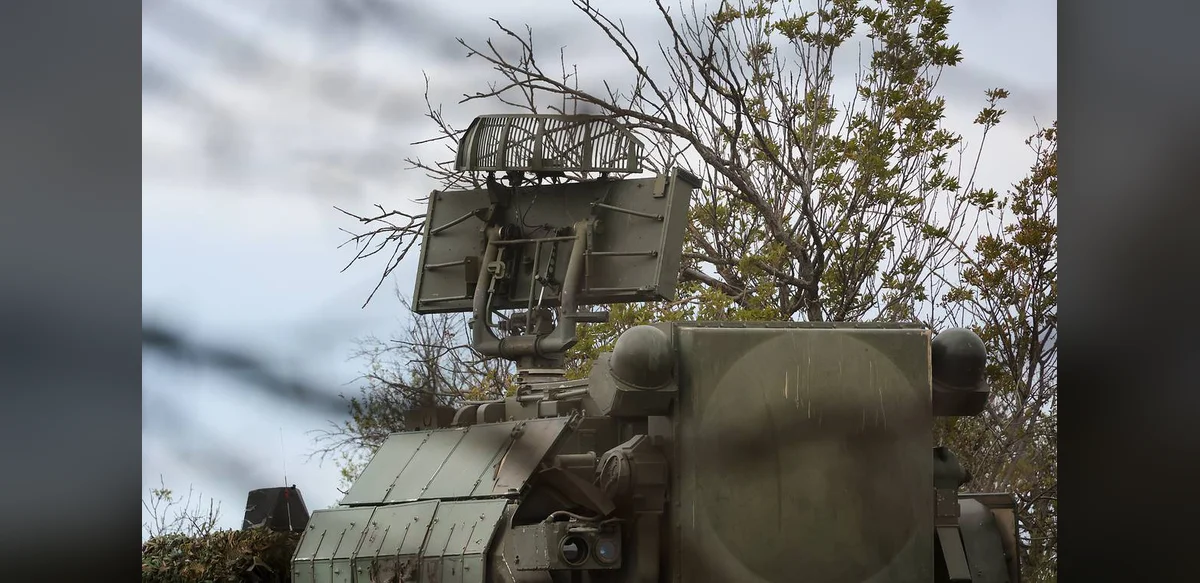
Reports indicate that damage from falling drone debris occurred in the city of Nevinnomyssk located in Russia’s North Caucasus Stavropol Region. The incident involved debris from unmanned aerial vehicles that impacted local infrastructure. Authorities recorded the effects in the affected area without providing further details on the extent of harm to buildings or residents. The event forms part of broader developments related to aerial activity over Russian territory. Local officials noted the presence of debris in several spots within the city limits. No immediate information emerged regarding injuries or major disruptions to daily life in Nevinnomyssk. The Stavropol Region lies in the southern part of the country and includes various populated centers. Nevinnomyssk itself serves as an industrial hub with residential zones nearby. Investigations into the source of the debris continue according to standard procedures for such occurrences. Residents in the vicinity were advised to remain cautious and report any additional findings to emergency services. The situation highlights ongoing challenges associated with aerial threats in multiple Russian regions. Similar reports have surfaced in other areas including mentions of impacts in the Kaluga Region where a school sustained damage. Figures related to unmanned aerial vehicle activity have included references to hundreds of units detected over recent periods. The total count cited in some updates reached 604 UAVs in connection with the sequence of events. Aftermath assessments focus on structural evaluations and safety measures. Regional administrations coordinate responses to ensure public security. The North Caucasus area maintains heightened alertness due to its geographic position. Stavropol Region officials emphasize routine monitoring of airspace and rapid response protocols. Damage assessments involve teams inspecting affected sites for debris fragments and potential hazards. No additional casualties have been confirmed at this stage in Nevinnomyssk. The incident underscores the need for continued vigilance regarding unmanned systems in the region. Broader context includes multiple locations experiencing comparable effects from aerial debris. Kaluga Region reports specifically noted harm to educational facilities. These developments occur amid wider patterns of aerial engagements reported across Russian territory. Public communication from authorities stresses factual updates without speculation. Emergency services remain active in clearing and securing impacted zones. The overall sequence reflects the complexities of modern aerial defense and incident management. Further updates are expected as assessments progress in Stavropol and neighboring areas. The focus stays on factual recording of events and support for affected communities. This approach allows for accurate documentation of the impacts from the described aerial activity.


