


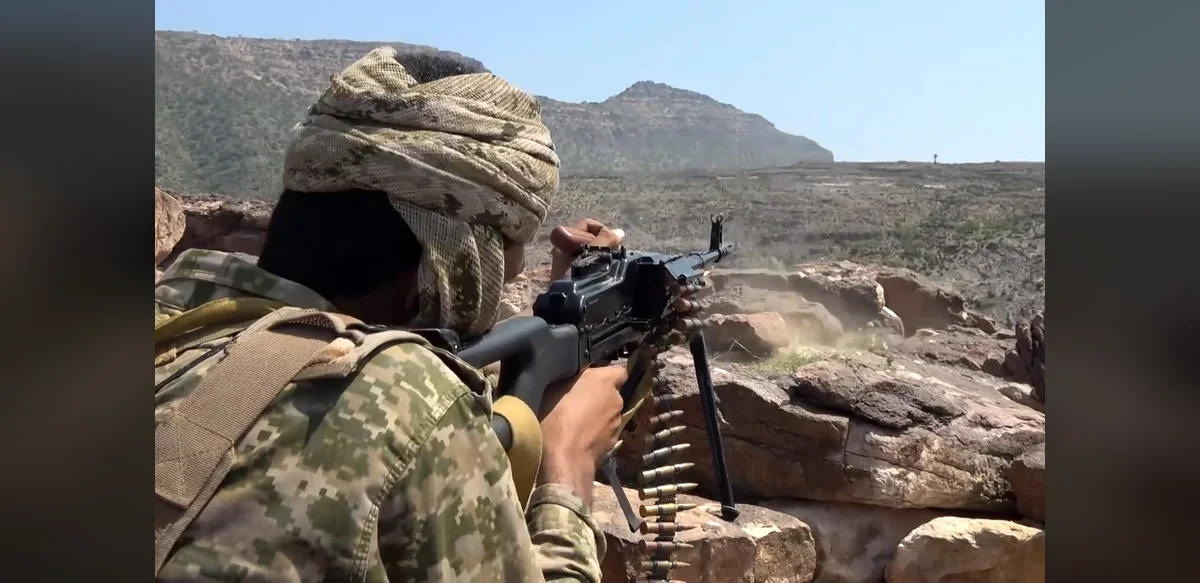
Recent developments in Yemen have shown a marked increase in hostilities, with Houthi forces stepping up efforts to impose greater economic and military burdens on Saudi Arabia. Reports indicate that attacks have grown more frequent and intense across several fronts, leading to heightened concerns among regional observers about the trajectory of the ongoing war.
The conflict, which has persisted for years, involves multiple actors and has resulted in significant humanitarian challenges. Houthi actions appear aimed at disrupting supply lines and raising operational costs for opposing forces. This strategy includes targeted strikes and ground engagements that have intensified in recent weeks.
International monitors note that the escalation coincides with broader diplomatic efforts to address the crisis. However, battlefield dynamics suggest that both sides are reinforcing positions, potentially prolonging the standoff. Civilian populations in affected areas continue to face difficulties accessing essential services amid the fighting.
Analysts emphasize the importance of de-escalation measures to prevent further deterioration. The involvement of external parties adds layers of complexity to any resolution attempts. Neutral assessments highlight that sustained dialogue remains critical for achieving stability in the region.
In the northern provinces, clashes have reportedly led to temporary displacements of local communities. Aid organizations are monitoring the situation closely, preparing for potential increases in demand for assistance. The overall security environment remains fluid, with daily reports of exchanges between opposing groups.
Economic repercussions are also evident, as disruptions to trade routes and infrastructure projects mount. Saudi-led coalitions have responded with defensive operations, seeking to limit the impact of Houthi initiatives. This back-and-forth has contributed to a cycle of intensified activity without clear breakthroughs.
Regional powers continue to call for restraint while maintaining their strategic postures. The United Nations and other bodies have reiterated appeals for ceasefires, though implementation has proven challenging. Observers suggest that underlying grievances and resource issues fuel the persistence of the conflict.
Public statements from involved parties reflect differing narratives on responsibility for the latest surge in violence. Independent verification of claims remains limited due to access constraints. Despite this, the pattern of increased engagements is widely acknowledged by multiple sources.
Looking ahead, the situation in Yemen underscores the difficulties of resolving protracted armed disputes through military means alone. Efforts to revive negotiations could offer pathways forward, provided all stakeholders demonstrate willingness to compromise. The human cost of continued fighting serves as a reminder of the urgency for peaceful outcomes.
Additional details from the ground indicate sporadic advances and retreats by various units. Weather conditions and terrain features influence tactical decisions in the area. Overall, the conflict shows no immediate signs of winding down, with both Houthi elements and their adversaries maintaining active operations.
This assessment draws from available open-source information and reflects the current state of affairs without speculation on future developments. The focus remains on documenting observable trends in the Yemen theater.

