


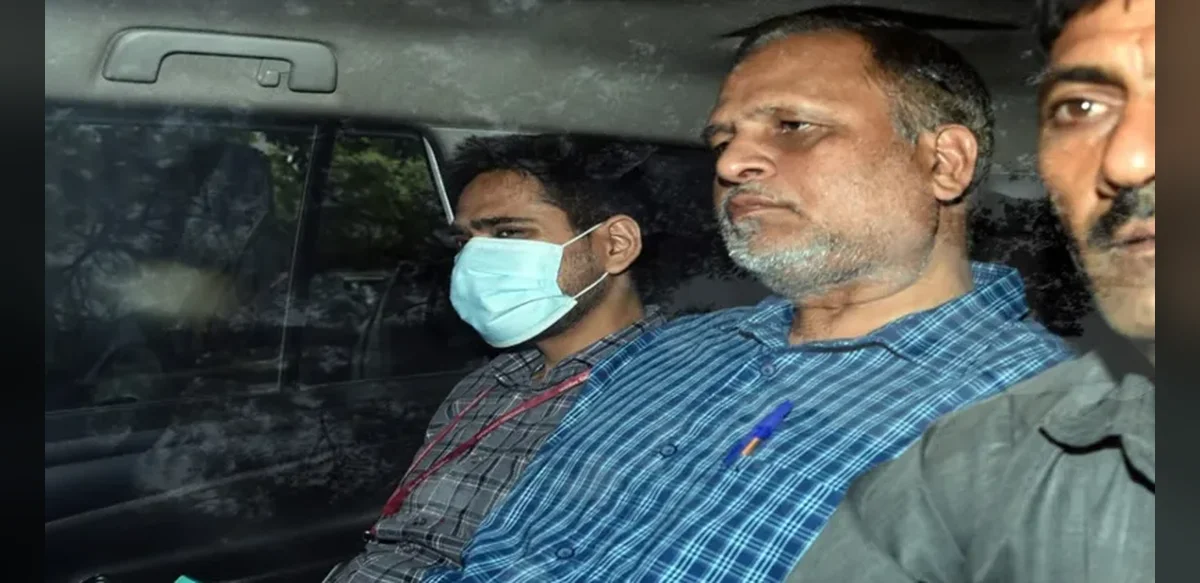
Authorities in the national capital have taken into custody several individuals linked to a former government minister in connection with claims of irregularities during the awarding of contracts for improving sewage treatment facilities. The action follows an inquiry into how bids were handled for projects aimed at upgrading existing plants that process wastewater across the city.
The detained persons include a former minister responsible for water resources, a senior administrative official who previously led the water board, a consultant who worked on contract with that board, and three private business operators associated with companies that participated in the bidding process. All six were arrested after the anti-corruption unit registered a case under relevant sections of anti-graft legislation and the Indian Penal Code.
Investigators allege that the tender documents contained specifications deliberately crafted to limit participation to one particular technology supplier. Such conditions reportedly reduced opportunities for other qualified bidders and created an uneven playing field. The probe further indicates that a planned pilot study to test the chosen technology was not carried out as initially proposed.
Additional concerns raised during the examination involve modifications made to technical requirements after the tender had been floated. These changes allegedly favored certain media and processes while omitting key performance standards for the quality of treated water that would be released. Electronic records examined by the agency reportedly show exchanges between private parties, middlemen, and public officials discussing draft conditions and subsequent amendments.
Financial trails uncovered in the course of the investigation suggest that payments described as commissions moved through intermediary firms before reaching accounts linked to the former board chief and family members. One such transfer is said to total approximately one and a half crore rupees and was reportedly used in part for acquiring property.
The case originated from a formal complaint submitted by the vigilance directorate of the Delhi government. Following registration of the first information report, teams collected material that included communications about meetings, tender clauses, and corrigenda. This material formed the basis for questioning the six individuals before their formal arrest on the eighteenth of August.
Officials emphasize that the inquiry remains active and additional evidence is being examined. The arrests mark a significant development in efforts to ensure transparency in public procurement for essential civic infrastructure projects such as wastewater management systems.
The water board plays a central role in maintaining the capital’s sanitation network, and contracts of this scale involve substantial public funds. Any deviation from fair procedures can affect both the efficiency of treatment plants and public trust in administrative processes. Investigators continue to trace the flow of funds and review records to establish the full sequence of events.
All accused remain in custody while further interrogation proceeds. The agency has stated that it will present findings before the appropriate court as the matter advances. No final conclusions have been drawn regarding the extent of involvement of each individual, and due process will be followed throughout.
This development underscores ongoing scrutiny of tendering practices within government bodies responsible for urban services. Similar cases in the past have highlighted the need for clear guidelines and independent oversight to prevent manipulation of bid conditions.
Residents of the city rely on effective sewage treatment to protect local water bodies and public health. Projects intended to augment capacity at existing plants are therefore viewed as critical for long-term environmental management. The current investigation seeks to determine whether the selection process adhered to established norms.
The anti-corruption branch operates under the government of the national capital territory and handles complaints involving public servants. Its mandate includes examining allegations of bribery, conspiracy, and abuse of official position. In this instance, the unit acted on a vigilance report that pointed to large-scale deviations in the tender process.
As the probe continues, authorities have not released additional names or details beyond those already disclosed. The focus remains on verifying the authenticity of documents and the legitimacy of financial transactions identified so far. Updates are expected once the next phase of inquiry concludes.

