

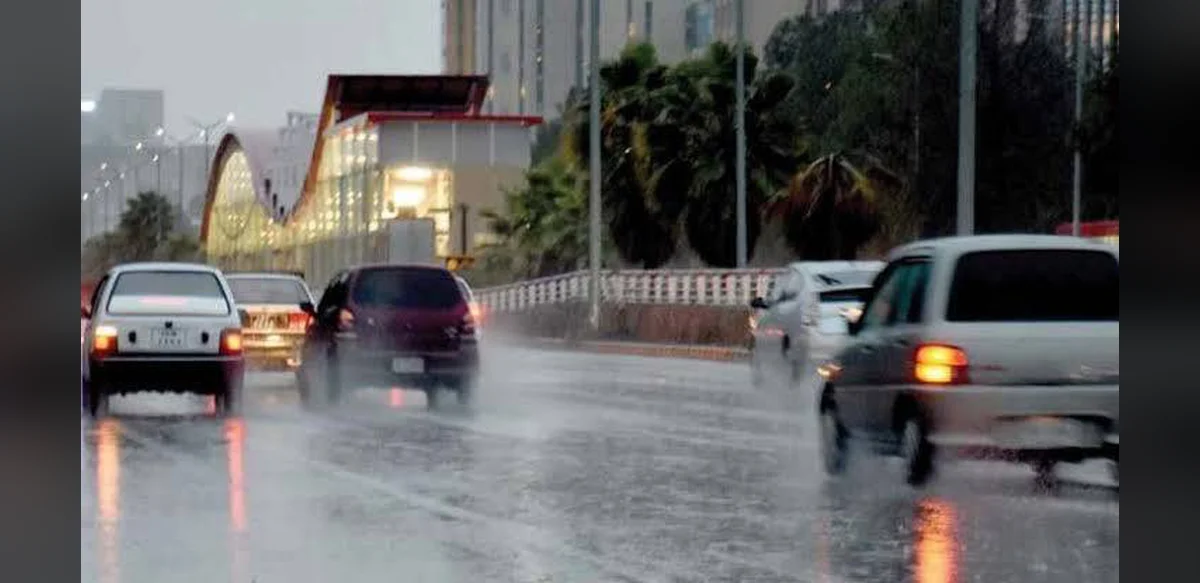
Persistent downpours struck the twin cities on Tuesday, leading local officials to activate emergency protocols and mobilize extra personnel and equipment to address potential flooding and related disruptions. The sudden increase in precipitation caught many residents off guard, resulting in water accumulation on major thoroughfares and in low-lying neighborhoods.
Authorities responded swiftly by issuing public advisories and setting up temporary shelters for those affected by rising water levels. Emergency teams focused on clearing blocked drains and monitoring vulnerable areas to prevent further complications. Residents were urged to avoid unnecessary travel and to report any incidents of waterlogging or structural damage immediately.
The weather conditions also impacted daily commutes, with several roads becoming impassable and public transportation services experiencing delays. Schools and offices in the region adjusted their schedules, allowing for remote work or early closures where feasible. Local hospitals reported a slight uptick in cases related to minor injuries from slips and falls on wet surfaces.
Meteorological updates indicated that the rain was part of a broader weather system moving through the area, with forecasts suggesting continued showers into the evening hours. Officials emphasized the importance of staying informed through official channels and preparing for possible power outages or supply chain interruptions.
Community volunteers joined forces with municipal workers to distribute sandbags and assist in evacuations from particularly hard-hit zones. The coordinated effort aimed to minimize risks and ensure public safety amid the challenging conditions. Historical data shows that similar events in past years have led to prolonged recovery periods, prompting proactive steps this time around.
Businesses along commercial strips faced temporary closures as water entered ground-floor premises, leading to assessments of damage once the rain subsided. Insurance providers noted an expected rise in claims related to property and vehicle harm. Meanwhile, environmental groups highlighted the need for improved urban planning to better handle extreme weather patterns in the future.
Public health measures included checks on water quality to prevent contamination issues following the flooding. Relief supplies such as food, water, and blankets were stockpiled at designated centers for quick distribution if required. The declaration of a rain emergency allowed for streamlined access to state-level support and resources.
As the day progressed, updates from the control room indicated gradual improvement in some sectors, though vigilance remained high. Citizens were encouraged to share real-time observations via dedicated apps to aid response teams. The overall approach reflected lessons learned from previous incidents, focusing on rapid deployment and clear communication.
Longer-term implications may involve reviews of drainage infrastructure and investment in resilient designs to mitigate future risks. Experts in urban management stressed collaborative strategies between government bodies and local communities. The event served as a reminder of the unpredictable nature of seasonal weather and the value of preparedness.
In the aftermath, cleanup operations are expected to continue for several days, with priority given to restoring normalcy in residential and business districts. Feedback from affected individuals will inform subsequent planning sessions. This measured response underscores the commitment to safeguarding lives and property during adverse conditions.


