


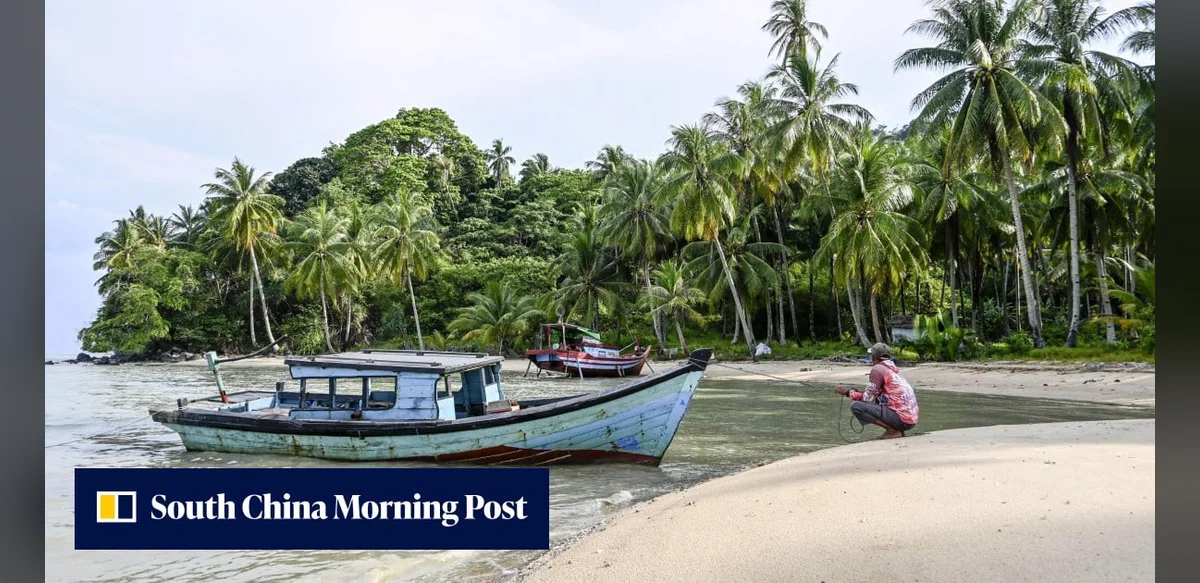
Indonesia is moving forward with plans to build its first nuclear power plant on an uninhabited island, sparking debate over safety in a region known for seismic activity. Officials have highlighted the project as a step toward energy independence and reduced reliance on fossil fuels. The proposed site has been selected partly because it lacks permanent residents, which supporters say minimizes immediate human risk.
Proponents of the initiative describe the development as a source of national achievement. They point to modern engineering standards and advanced reactor designs intended to withstand natural disasters. Government statements emphasize that the facility would contribute to long-term electricity needs while supporting economic growth in remote areas.
Critics, however, express strong reservations. They reference the 2011 Fukushima incident in Japan, where a powerful earthquake and tsunami led to a nuclear accident. Indonesia sits on the Pacific Ring of Fire, making it one of the most earthquake-prone countries in the world. Opponents argue that even advanced technology cannot eliminate all risks associated with seismic events.
Public discussion has included calls for thorough environmental impact studies and transparent safety reviews. Some local communities and environmental groups have voiced concerns about potential long-term effects on marine ecosystems and surrounding islands, despite the chosen location being uninhabited.
International nuclear safety organizations have been invited to provide assessments. Indonesian authorities state that any final decision will incorporate recommendations from these reviews. The project remains in early planning stages, with construction timelines dependent on regulatory approvals and funding arrangements.
Energy analysts note that Indonesia has explored various power sources, including geothermal, solar, and coal. Nuclear energy is presented as one option to meet rising demand and climate commitments. Supporters maintain that strict oversight and modern safeguards can address historical concerns.
The debate reflects broader tensions between development goals and disaster preparedness in seismically active nations. As planning continues, further public consultations are expected to address questions about risk management and emergency response protocols.
Observers suggest the outcome could influence regional approaches to nuclear power in similar geological settings. Indonesia’s experience may offer lessons for balancing energy needs with natural hazard mitigation.
Additional details on reactor type, capacity, and operational timeline are anticipated in upcoming government announcements. The process is expected to involve multiple agencies responsible for energy, environment, and disaster management.

