


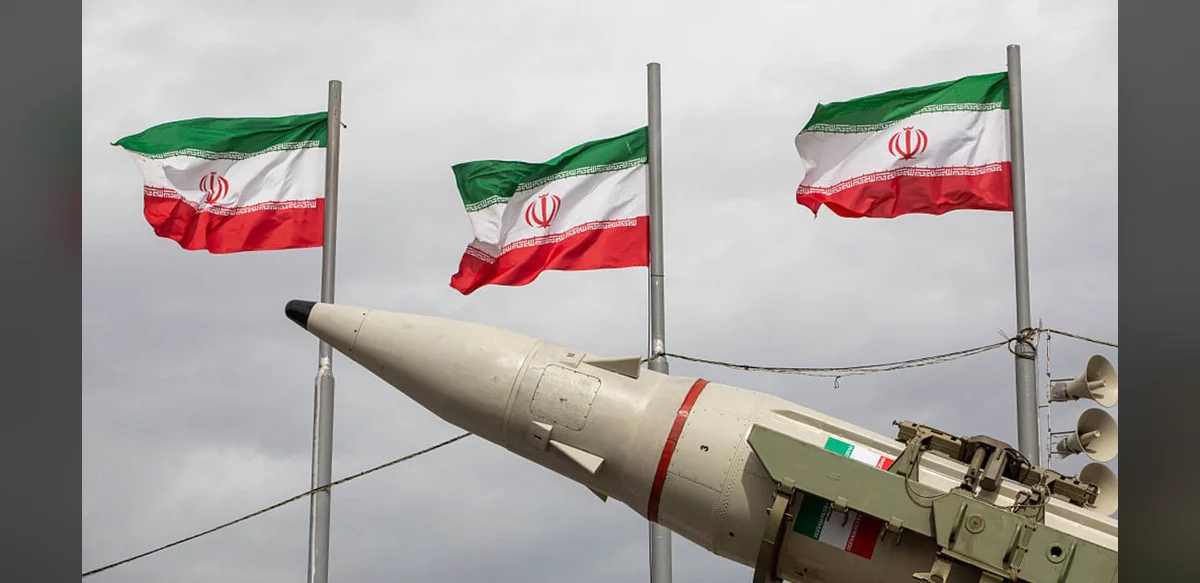
The appointment of a new defense minister in Iran has drawn attention to the individual’s prior involvement in the country’s defense industry. Reports indicate that the official, identified as Ketabchi, previously contributed to programs related to missile development. This background has been noted in connection with international measures taken against him in the past.
International sanctions were imposed on Ketabchi due to his association with missile activities. These restrictions were part of broader efforts to address concerns over ballistic missile advancements. The measures highlighted the role of individuals linked to such programs in the context of global security discussions.
In 2007, the United Nations placed Ketabchi on a sanctions list. The listing described him as an individual involved in nuclear or ballistic missile activities. This action reflected the international community’s focus on monitoring and regulating activities in these sensitive areas during that period.
The sanctions underscored ongoing diplomatic and regulatory efforts surrounding defense-related developments. Analysts have observed that appointments in key security positions often intersect with historical records of international oversight. Such intersections can influence perceptions of policy directions in the defense domain.
Observers note that the defense industry background of the new minister aligns with Iran’s emphasis on self-reliance in military capabilities. This approach has been a consistent theme in national strategies over recent decades. The selection may signal continuity in prioritizing domestic production and technological advancement within the sector.
Diplomatic channels have historically addressed issues related to missile programs through multilateral forums. The United Nations sanctions regime from 2007 represented one such mechanism for coordinated international response. It aimed to limit the spread of technologies deemed destabilizing by member states.
Public statements from Iranian officials have frequently emphasized the peaceful nature of their defense initiatives. However, external assessments often focus on the dual-use potential of certain technologies. This divergence in perspectives continues to shape interactions on the global stage.
The role of the defense minister involves overseeing procurement, research, and strategic planning. Individuals with industry experience are sometimes chosen to streamline these functions. Ketabchi’s profile fits this pattern based on available records of his professional history.
Regulatory actions like the 2007 listing serve as reminders of the long-standing scrutiny applied to missile-related endeavors. They also illustrate how personal careers in defense can become subjects of international documentation. Future developments in this area may depend on evolving geopolitical dynamics.
In summary, the new appointment brings forward a figure whose career has intersected with both national defense priorities and international regulatory frameworks. The facts surrounding the sanctions and the 2007 United Nations listing remain central to understanding the context. Discussions around such appointments typically involve considerations of experience, policy alignment, and external relations.

