


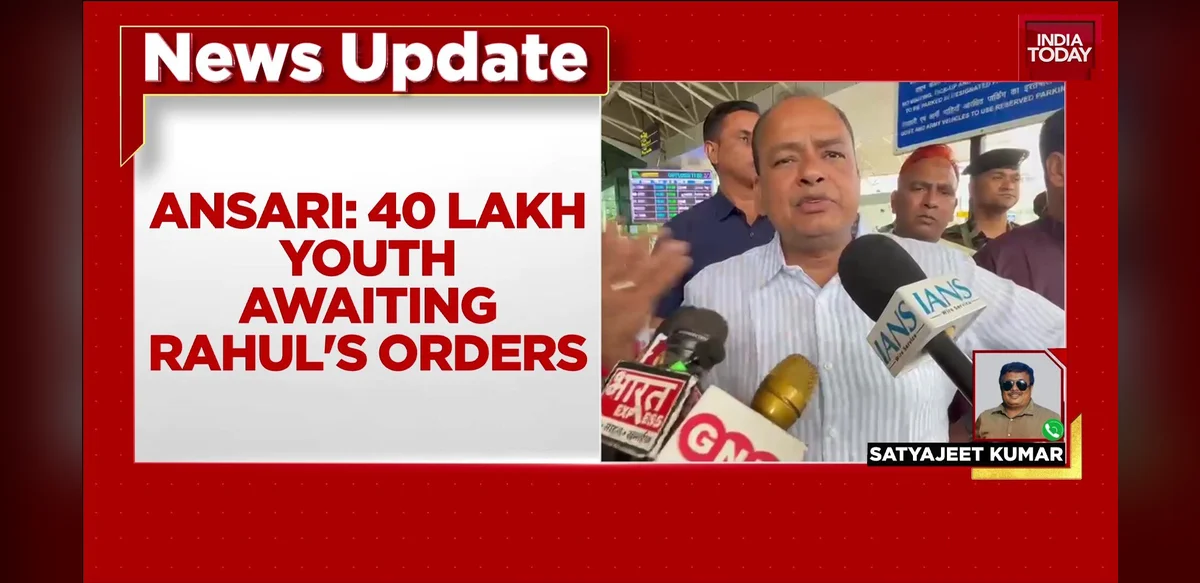
A statement made by a minister in Jharkhand regarding Bangladesh has led to significant political discussion and criticism from opposition groups. The remark, delivered during a public event, drew immediate attention from various political figures who expressed concerns over its implications for regional relations and domestic discourse. Opposition parties, including the BJP, responded swiftly by highlighting what they described as an endorsement of disorderly conduct by certain groups.
The BJP leadership argued that the comment reflected a broader tolerance for actions that undermine established norms of governance and public order. Party spokespersons emphasized the need for accountability in public statements, particularly those touching on sensitive cross-border topics. They positioned the incident as part of a pattern where ruling coalition members have been perceived as lenient toward disruptive activities.
In response, representatives from the Congress party maintained that the minister’s words were taken out of context and did not advocate for any form of unrest. They called for a measured approach to political debate, urging focus on substantive policy matters rather than isolated remarks. The exchange has contributed to ongoing tensions between the two major national parties ahead of upcoming regional electoral cycles.
Observers note that comments involving neighboring countries often amplify existing political divides within India. In this case, the reference to Bangladesh appears to have intersected with domestic narratives around security and migration, areas that frequently feature in election-related rhetoric. Analysts suggest that such exchanges may continue as parties seek to consolidate support bases in key states.
The incident has also prompted commentary from regional leaders in eastern India, where cross-border issues hold particular relevance due to geographic proximity. Some have advocated for clearer guidelines on how elected officials address international matters in public forums to avoid unintended escalations. Others have stressed the importance of maintaining diplomatic channels separate from partisan debates.
Public reaction, as reflected in social media and local discussions, remains divided along predictable lines. Supporters of the ruling coalition in Jharkhand view the controversy as an overreaction by the opposition, while critics see it as evidence of inconsistent standards in political speech. Media outlets across the country have covered the developments with varying degrees of emphasis on the minister’s exact phrasing versus the broader political fallout.
This episode underscores the challenges faced by coalition governments in managing internal differences while presenting a unified front on national issues. With multiple states preparing for elections, statements from ministers are likely to receive heightened scrutiny from both allies and adversaries. The focus on mobocracy specifically has introduced an additional layer of debate regarding the role of organized protests in democratic processes.
Government sources have indicated that no formal review of the minister’s position is currently underway, though the matter continues to be monitored by party high command. Meanwhile, the BJP has signaled its intent to raise the issue in parliamentary sessions if opportunities arise, framing it within larger conversations about law and order across states.
The sequence of events illustrates how a single public comment can generate extended coverage and strategic positioning by multiple stakeholders. As the political calendar advances, similar incidents may recur, particularly in regions where national and local issues overlap. Stakeholders on all sides appear prepared to leverage such moments to reinforce their respective narratives on governance and accountability.

