


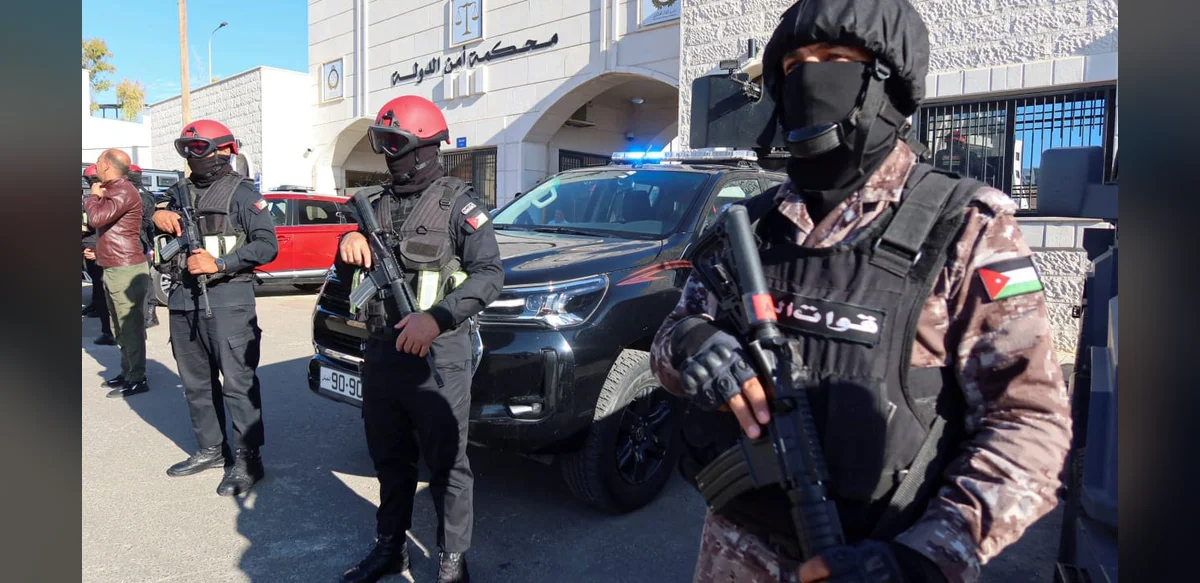
A Jordanian court has sentenced three men to death in connection with an attack on a church in Karak that resulted in nine fatalities. The verdict followed a trial in which the defendants were found guilty of several serious charges related to terrorism.
The offenses included carrying out terrorist acts that led to loss of life, holding weapons and ammunition intended for terrorist use, and advancing the ideology of a designated terror group. The court examined evidence presented during the proceedings before reaching its decision.
This case centers on events in the city of Karak where the assault took place at a local church. Nine people lost their lives in the incident prompting a thorough investigation and subsequent legal action.
The convictions reflect the judicial process applied to acts of violence targeting places of worship. Authorities emphasized the importance of upholding security and addressing threats through established legal channels.
Legal experts note that such rulings aim to deter future incidents of this nature while ensuring due process for those accused. The sentences mark a significant outcome in the handling of the Karak attack.
The trial proceedings involved detailed review of the circumstances surrounding the church assault. Prosecutors presented arguments linking the three men to the planning and execution of the operation.
Jordanian law provides for capital punishment in cases involving terrorism that results in deaths. The court applied these provisions after determining the extent of the defendants involvement.
Public safety concerns following the attack led to increased security measures at religious sites across the country. The verdict comes after months of investigation and court hearings.
The three convicted individuals now face the death penalty as determined by the judicial panel. Appeals processes may be available under Jordanian legal frameworks though details remain subject to further proceedings.
This development highlights ongoing efforts to combat terrorism and protect civilian populations from targeted violence. The Karak incident remains a focal point for discussions on religious site security.
Court documents outlined the specific roles attributed to each defendant in the attack. Possession of prohibited materials and ideological promotion formed key elements of the prosecution case.
The ruling serves as a reminder of the severe consequences for involvement in terrorist activities within the jurisdiction. Families of the victims have awaited the outcome of the trial.
Neutral observers have followed the case closely given its implications for regional stability and counter terrorism measures. The sentences were delivered in accordance with applicable statutes.
Further reporting on any appeals or additional legal steps will provide updates as they become available through official channels. The focus remains on the facts established during the trial.
The attack in Karak drew widespread attention due to the loss of life and the targeting of a historic religious location. The judicial response underscores commitment to accountability.
In summary the court has applied the full weight of the law to the three men convicted of terrorism related offenses stemming from the deadly church assault.

