


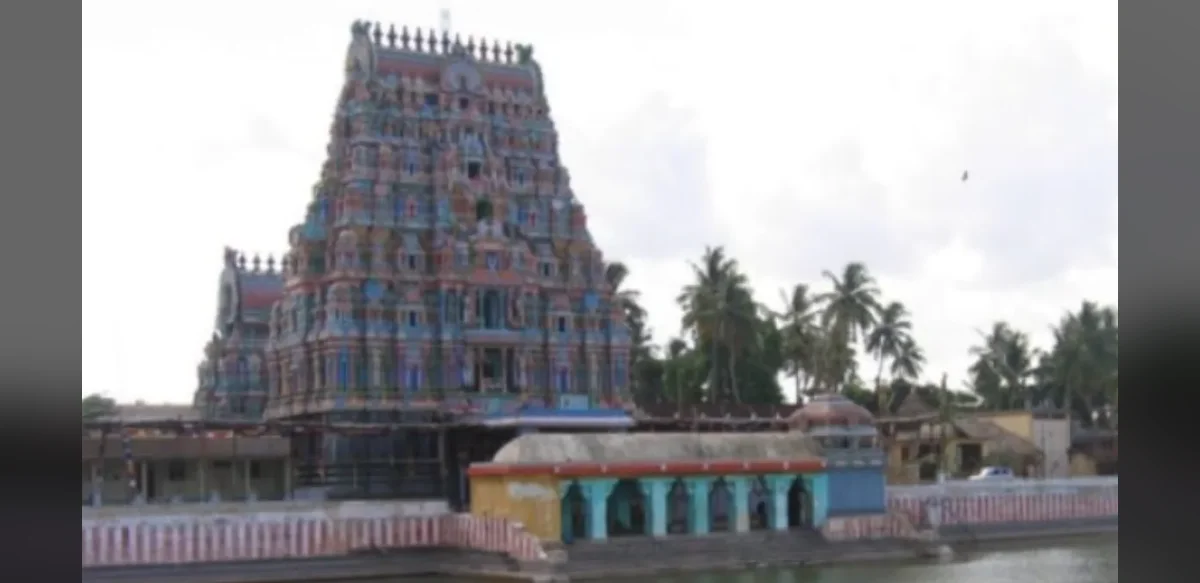
The Madras High Court has directed the formation of a seven-member interim board of trustees to oversee operations at the Sowriraja Perumal Temple in Thirukannapuram. This measure addresses the absence of any formal board since 2004 and will remain in place until the Hindu Religious and Charitable Endowments department completes the process of appointing a regular board. Justice Krishnan Ramaswamy issued the ruling on September 25 while concluding a petition that sought proper conduct of temple festivals and rituals according to established traditions.
The temple holds historical importance as one of the 108 Divya Desams revered in Sri Vaishnava tradition. Recent renovation efforts at the site followed earlier court directions. The current proceedings stemmed from events after a limited Balalayam ritual performed on the flagpole structure on August 23 2026. This ceremony did not extend to the main sanctum or the entire complex yet led to the cancellation of the scheduled Pavitrotsavam in September along with monthly processions and commemorations linked to saints and teachers.
The petitioner had submitted representations to multiple officials including the Chief Minister’s office requesting intervention to resume the observances between September 22 and 26 2026 but received no reply or arrangements. Court records noted that the temple normally functions from early morning until late evening creating challenges for a single government-appointed Fit Person to manage all activities within standard office hours.
During hearings the court observed that leaving management solely to a Fit Person for more than two decades was inadequate for a temple of this scale. Both parties were asked to propose names for an interim board. The judge selected seven individuals from the submitted lists to handle daily administration festivals rituals and other affairs. The order clarifies that this temporary body holds full authority over temple matters until the department finalizes non-hereditary trustee appointments and reconstitutes the permanent board.
The ruling emphasizes that proper governance requires a collective body rather than reliance on one individual. Officials had already begun inviting applications for trustee positions at the time of the decision. The interim arrangement ensures continuity of religious practices and maintenance while the formal process concludes. Legal observers note that such interventions by the judiciary help preserve the operational integrity of longstanding religious institutions facing administrative gaps.
The temple’s established customs include specific sequences of homams processions and theerthavari ceremonies that form part of its annual calendar. Interruption of these practices had raised concerns about adherence to Agama Shastras and customary usage. The court’s directive aims to restore normal functioning through the newly constituted interim board which can coordinate with temple staff and devotees to resume suspended events.
This development reflects broader judicial oversight of religious endowment properties in the state where delays in board formation have occasionally prompted similar temporary measures. The eight-page order provides clear guidelines on the scope and duration of the interim body’s role ensuring decisions remain focused on temple welfare and ritual observance until permanent structures are restored.

