


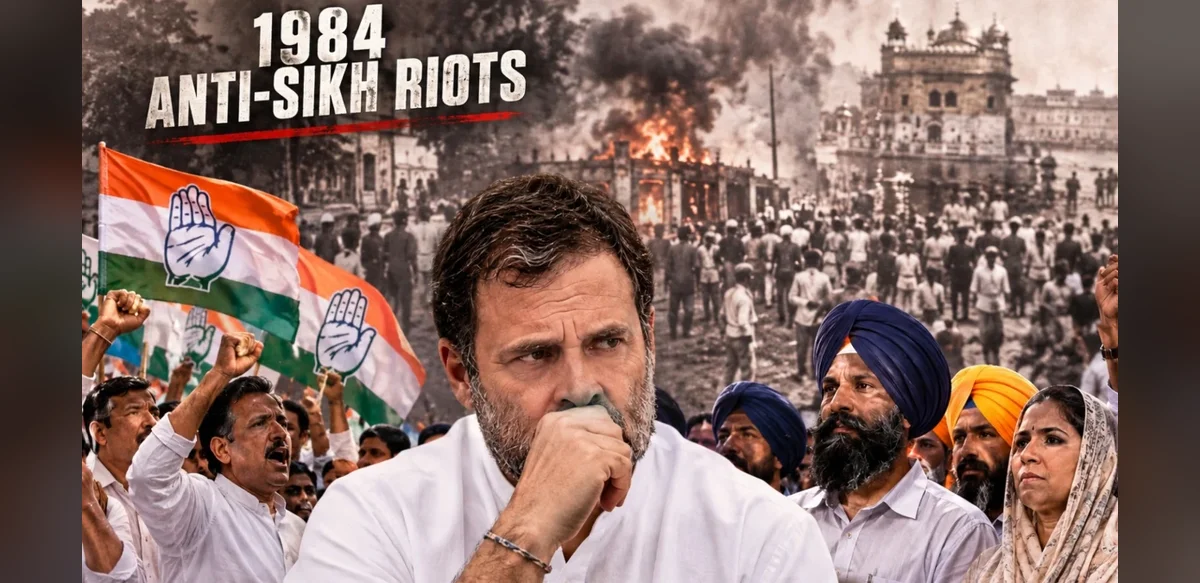
New Delhi continues to see political activity centered on the anniversary of the 1984 anti-Sikh riots. Forty-two years after the events that followed the assassination of former Prime Minister Indira Gandhi, November 1 remains a date associated with mourning for many Sikh families. Reports indicate that thousands lost their lives in Delhi and other areas during the violence, with the Justice Nanavati Commission later recording 2,146 deaths in the capital alone.
The Congress-led INDIA bloc has scheduled a large rally at Ramlila Maidan in Delhi for November 1. Organizers state the event will focus on issues related to the Special Intensive Revision of electoral rolls and calls for the resignation of Chief Election Commissioner Gyanesh Kumar. The alliance aims to mobilize a significant number of participants from across the country, including supporters from the Congress, Samajwadi Party, and Left parties. Rahul Gandhi has issued appeals to various groups to attend.
The choice of date has prompted objections from the Bharatiya Janata Party and some members of the Sikh community. Critics argue that holding a major political event on this anniversary shows insufficient regard for the historical context. In response, the BJP has organized a separate protest march scheduled to begin at 11 a.m. from Tilak Nagar and proceed toward Hari Nagar in West Delhi. Approximately 5,000 people are expected to take part, including survivors of the 1984 riots and their family members. Union Minister Hardeep Singh Puri and several Delhi BJP leaders are listed among the participants.
The BJP protest is described by organizers as an effort to highlight demands for justice and accountability related to the 1984 events. Party statements have called on the Congress to address questions surrounding the riots and to consider an apology to affected families. Delhi BJP president Harsh Malhotra has publicly questioned the timing of the opposing rally.
Union Home Minister Amit Shah has separately challenged Rahul Gandhi and Samajwadi Party chief Akhilesh Yadav to discuss the electoral rolls revision in a special parliamentary session. The government maintains that the revision process is transparent.
The 1984 riots occurred in the days following the October 31 assassination of Indira Gandhi. Violence spread in Delhi and other regions, resulting in widespread attacks on Sikh homes and businesses. Official records note extensive property damage and displacement. For many survivors and relatives, the anniversary serves as an annual reminder of loss and ongoing calls for legal resolution.
Both events on November 1 are expected to draw substantial crowds, though their stated purposes differ. The Congress-led gathering centers on electoral matters, while the BJP march focuses on the 1984 anniversary. Observers note that the overlapping dates have intensified public discussion about political sensitivity and historical memory.
Additional context from parliamentary records and commission reports continues to inform debates around the period. The Nanavati Commission findings remain a key reference point in discussions of the events. Political parties on both sides have reiterated their positions in recent statements, with each side framing the November 1 activities according to their respective priorities.
The situation reflects broader patterns in Indian politics where anniversaries of significant events sometimes coincide with scheduled party activities. Organizers of the INDIA bloc rally have not indicated any change in plans despite the criticism. The BJP march proceeds as announced, with emphasis on participation from affected communities.
Public attention remains on how the two events unfold and whether further statements from political leaders will address the concerns raised about timing. The anniversary continues to hold emotional weight for many families, independent of the political developments scheduled for the day.

