


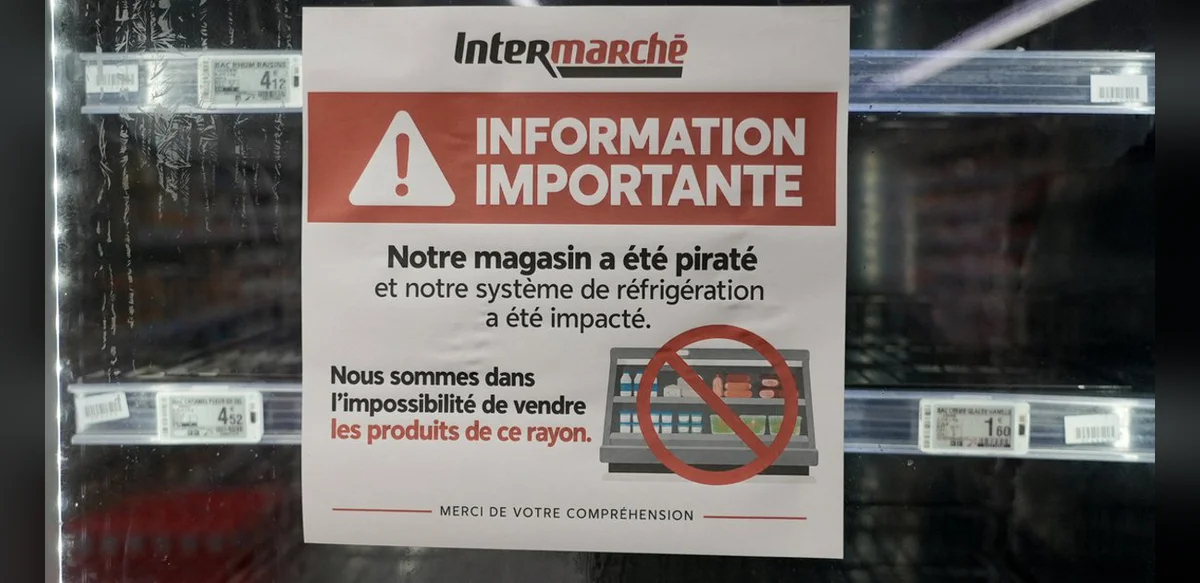
In today’s environment where digital vulnerabilities and unexpected device failures occur frequently, many households are reconsidering the value of overly connected home equipment. Traditional models that perform core functions without network capabilities often provide greater dependability and fewer points of failure.
Cybersecurity incidents targeting consumer products have increased over recent years. Reports from various security firms highlight cases where internet-enabled refrigerators, washing machines, and other devices were compromised, leading to data exposure or operational disruptions. These events prompt questions about the necessity of constant connectivity for everyday items.
Manufacturers have promoted smart features as conveniences, such as remote monitoring, automatic inventory tracking, or energy optimization through apps. However, these additions introduce software layers that require regular updates and can become obsolete. When support ends, devices may lose functionality or become susceptible to threats.
Users who experienced malfunctions in connected appliances frequently cite difficulties in troubleshooting. Without internet access or compatible software, repairs become challenging. In contrast, simpler machines with mechanical controls tend to last longer and can be serviced using standard parts and basic skills.
Energy consumption patterns also differ. While some advanced models claim efficiency gains through algorithms, independent tests show mixed results. Basic units often achieve comparable performance without the overhead of always-on sensors and processors.
Privacy considerations add another layer. Connected devices collect usage data that may be shared with third parties. For those prioritizing data control, non-networked options reduce exposure.
Market trends indicate growing interest in straightforward designs. Retailers note steady demand for models without wireless capabilities, particularly among consumers who value longevity over novelty. Repair communities and online forums discuss strategies for maintaining older equipment as a practical alternative.
Industry experts suggest evaluating needs before purchasing. For most households, core refrigeration, cleaning, or cooking tasks do not require remote access. Selecting devices based on reliability records rather than feature lists can lead to fewer issues over time.
Regulatory bodies in several regions have begun examining standards for connected consumer goods, focusing on security requirements and end-of-life support. These developments may influence future product designs and consumer choices.
Ultimately, the balance between innovation and practicality continues to evolve. Individuals assessing their own setups often conclude that minimalism in certain areas supports smoother daily operations and reduced maintenance burdens.

