


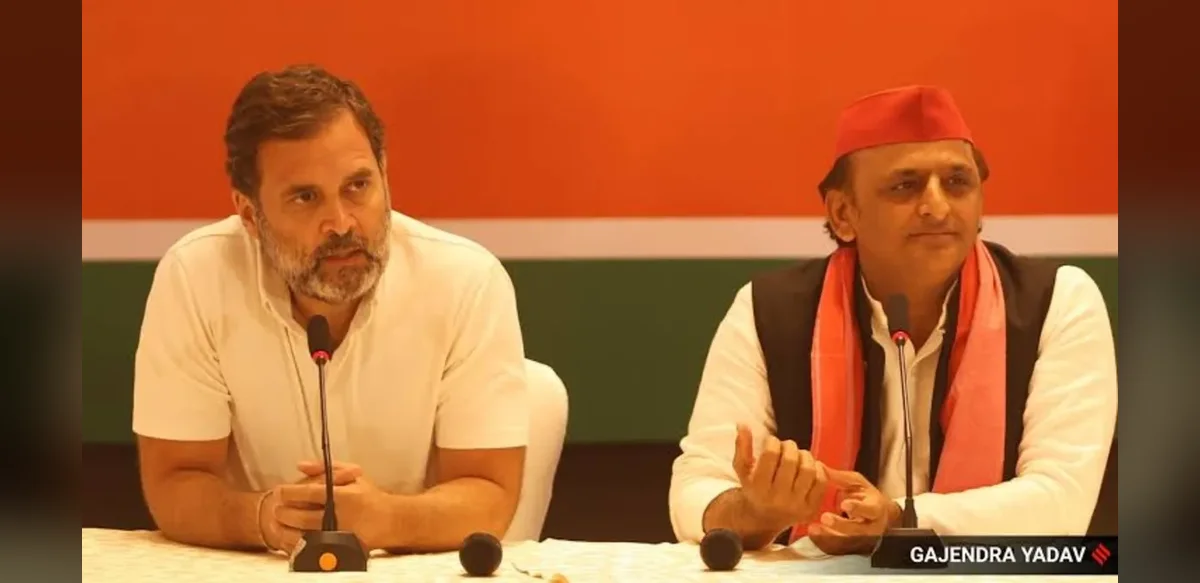
Negotiations over seat allocation between the Samajwadi Party and the Congress for the 2027 Uttar Pradesh Assembly elections appear set to involve detailed bargaining. Reports indicate that the Samajwadi Party may begin by offering its INDIA bloc partner approximately two dozen constituencies. This initial proposal draws primarily from areas where Congress candidates performed relatively better in the 2022 polls, specifically those securing over twenty thousand votes. Early talks are expected to center on twenty one such constituencies, with four more under consideration due to close results. The Samajwadi Party intends to keep seats currently held by its legislators while possibly adjusting others where its own tallies ranged between ten thousand and twenty thousand votes previously.
Recent interactions between senior leaders from both sides have helped move the process forward. A meeting on the sidelines of a book launch event in the national capital clarified several points and removed prior uncertainties. One leader had been unaware of an earlier planned session on November seventeen, and no formal negotiating team had yet been formed by the Samajwadi Party. Following the discussion, both sides authorized their respective functionaries to commence structured conversations on seat distribution.
A senior Uttar Pradesh Congress figure confirmed that top party leadership had engaged directly with the Samajwadi Party chief. A draft document outlining possible arrangements was shared, and preparations are now underway based on that outline. This development follows earlier Congress requests for a much larger share, with the party having previously submitted a list covering one hundred eighty one constituencies out of the total four hundred three in the state. The opening offer now under discussion represents a notable reduction from those initial expectations.
Congress leaders have signaled openness to adjustments based on candidate strength rather than insisting on equal division. Remarks from a key national figure emphasized the value of the alliance partnership and the importance of selecting winnable candidates for each area. Political observers note that such talks often start with conservative proposals to allow room for later adjustments as bargaining continues.
The Congress party has experienced a steady decline in electoral performance in Uttar Pradesh over recent decades. Historical data shows forty six seats won in nineteen ninety one, followed by twenty eight in nineteen ninety three, thirty three in nineteen ninety six, twenty five in two thousand two, and twenty two in two thousand seven. Further results included twenty eight seats in two thousand twelve, seven in two thousand seventeen, and only two in two thousand twenty two, accompanied by a vote share of approximately two point three three percent. These figures illustrate ongoing organizational challenges within the state.
Despite this record, the party has maintained an ambitious stance in alliance discussions. The gap between past results and requested seat numbers highlights questions about the basis for such claims. The current environment positions the Samajwadi Party as the leading opposition force in the state, which may influence how allocations are determined. The process is likely to test the ability of both parties to balance historical expectations with present electoral realities while preparing for the two thousand twenty seven contest.
Additional context from recent meetings suggests that flexibility on seat numbers could become a central theme. Leaders have referenced the need to prioritize winnability, potentially leading to further revisions of earlier lists. As preparations advance, both sides are expected to review constituency wise data from previous elections to identify suitable adjustments. The overall framework remains focused on strengthening the INDIA bloc position ahead of the next assembly polls without altering core alliance objectives.
Observers anticipate multiple rounds of talks before any final agreement emerges. The emphasis on performance based criteria may result in incremental changes to the initial twenty four seat figure. Throughout the process, statements from party representatives have stressed the importance of maintaining coordination and avoiding public disagreements. This measured approach aims to preserve unity within the broader opposition grouping while addressing specific regional dynamics in Uttar Pradesh.
The unfolding discussions reflect broader patterns in coalition politics where initial offers serve as starting points rather than final positions. Both parties continue to gather internal feedback and analyze past voting patterns to inform their strategies. As the timeline for the two thousand twenty seven elections draws closer, these negotiations will play a key role in shaping the opposition landscape in one of India’s most politically significant states.

