


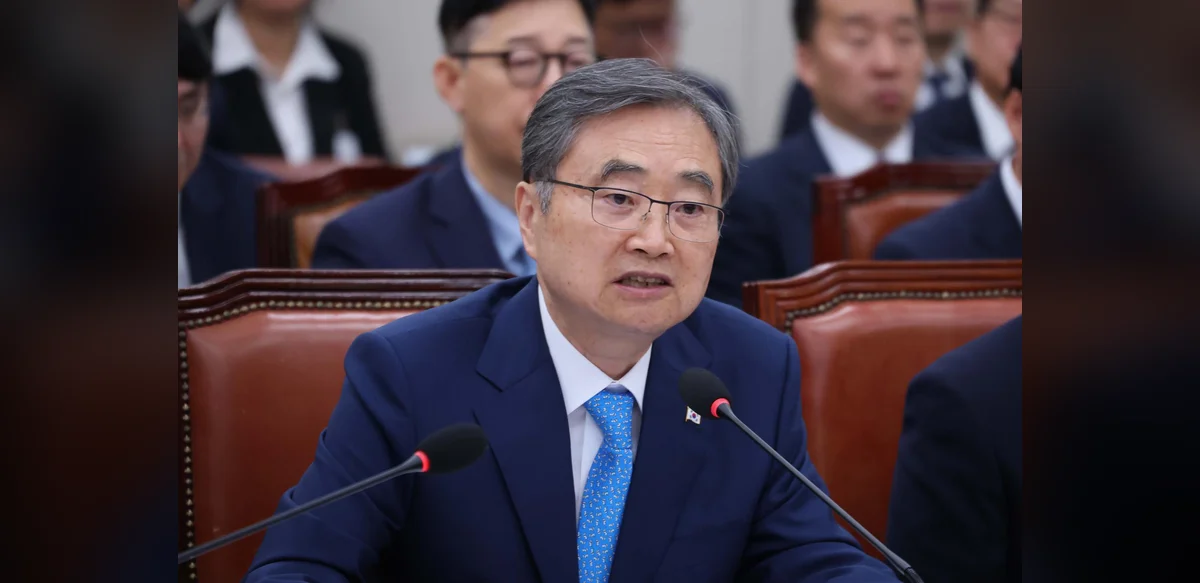
Foreign Minister Cho Hyun confirmed on Wednesday that South Korean officials had not received advance information regarding a directive from U.S. President Donald Trump to reduce the scale of combined military drills with South Korea. The statement came during a parliamentary session where lawmakers sought clarification on recent developments in the bilateral security relationship.
The minister emphasized that the government learned of the order through public channels rather than through official diplomatic communications. This lack of prior notification has prompted internal discussions within the foreign ministry about coordination mechanisms between the two allies. Cho noted that routine consultations on defense matters continue but that the specific instruction regarding exercise reductions arrived without preliminary briefings.
Joint military exercises between the United States and South Korea have long served as a cornerstone of their alliance, aimed at maintaining readiness against potential threats on the Korean Peninsula. These drills typically involve thousands of troops and cover a range of scenarios from air defense to amphibious operations. Over the years, the frequency and intensity of such activities have varied in response to diplomatic developments and security assessments.
Trump has previously expressed concerns about the financial costs associated with large-scale training events, describing them as expensive and sometimes provocative. His administration has sought to balance deterrence needs with fiscal considerations, leading to adjustments in the scope of certain maneuvers. South Korean defense officials have generally aligned with these decisions while stressing the importance of preserving operational effectiveness.
The current situation highlights ongoing challenges in real-time information sharing during periods of policy transition. Analysts point out that abrupt announcements can affect planning cycles for both nations’ armed forces. Military planners rely on predictable schedules to allocate resources and maintain training standards.
In response to questions from opposition lawmakers, Cho stated that Seoul remains committed to close consultation with Washington on all matters affecting peninsula security. He added that the foreign ministry is working to strengthen notification protocols to avoid similar surprises in the future. Government sources indicated that follow-up meetings with U.S. counterparts are already being arranged.
Regional observers note that any reduction in exercise scale could influence perceptions among neighboring countries. North Korea has historically criticized the drills as rehearsals for invasion, while China has monitored them for signs of increased militarization. Maintaining a stable security environment requires careful messaging to all parties involved.
Defense experts suggest that smaller, more focused training sessions may still achieve core objectives if they incorporate advanced simulation technologies and targeted skill development. Such adaptations could address cost concerns without compromising readiness. South Korean military leaders have begun reviewing options for alternative training methods that align with the new guidance.
Public reaction in South Korea has been measured, with many citizens expressing support for the alliance while hoping for transparent communication from both governments. Media outlets have covered the minister’s remarks extensively, focusing on implications for national defense policy. Civil society groups have called for greater parliamentary oversight of bilateral security arrangements.
Looking ahead, the two countries are expected to continue high-level talks on a range of issues including burden sharing, technology cooperation, and regional stability. The recent development serves as a reminder that even longstanding partnerships require ongoing attention to procedural details. Officials on both sides have reiterated their dedication to preserving the strength of the relationship through regular dialogue.
The episode also underscores the role of legislative bodies in monitoring executive actions related to foreign policy. Lawmakers have requested additional briefings to ensure that South Korea’s interests are adequately represented in future negotiations. This level of scrutiny reflects the democratic process at work within the country.
Overall, the announcement by Foreign Minister Cho has initiated a broader conversation about alliance management in an era of shifting priorities. Both nations continue to navigate complex regional dynamics while seeking to uphold mutual defense commitments. Further updates are anticipated as consultations progress in the coming weeks.

